





I. Overview of Sampling Chiller
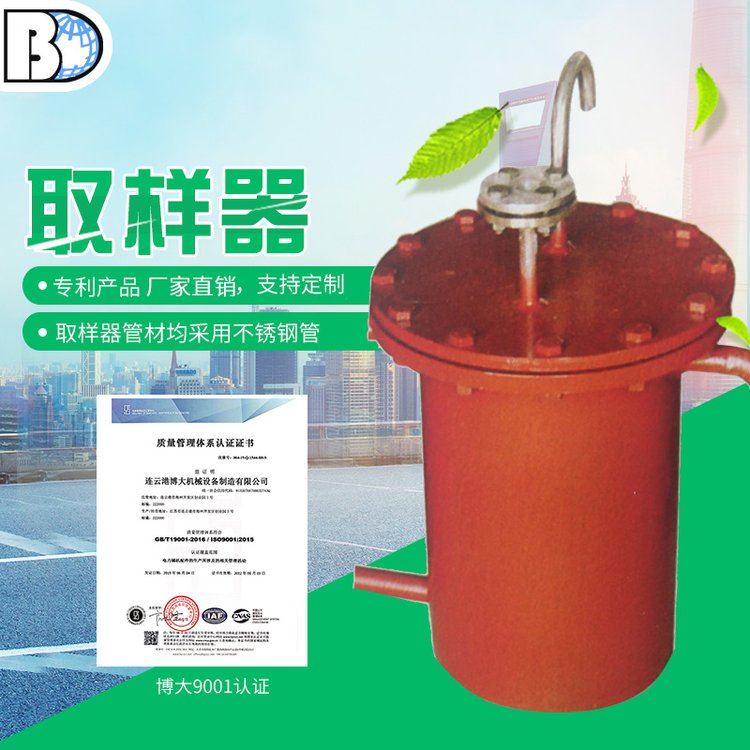
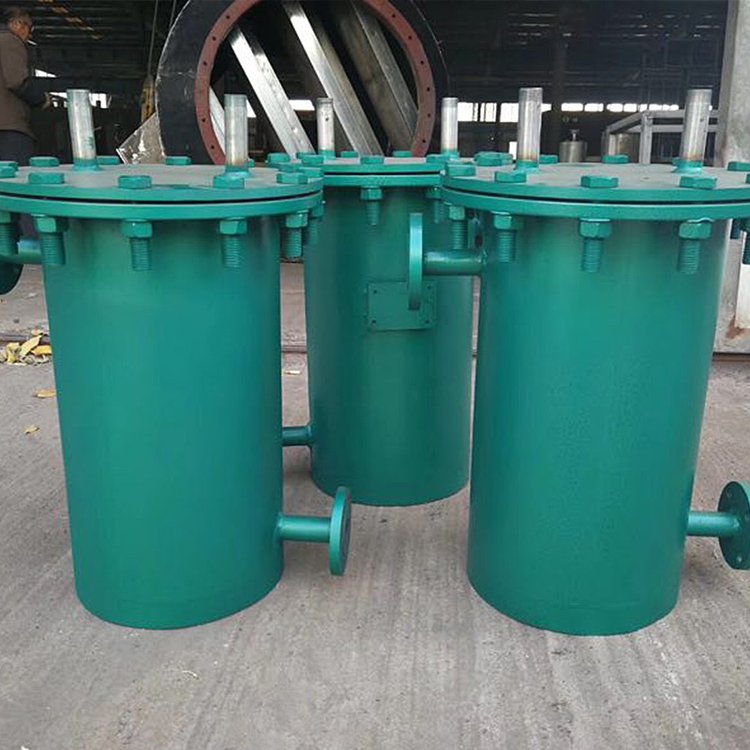
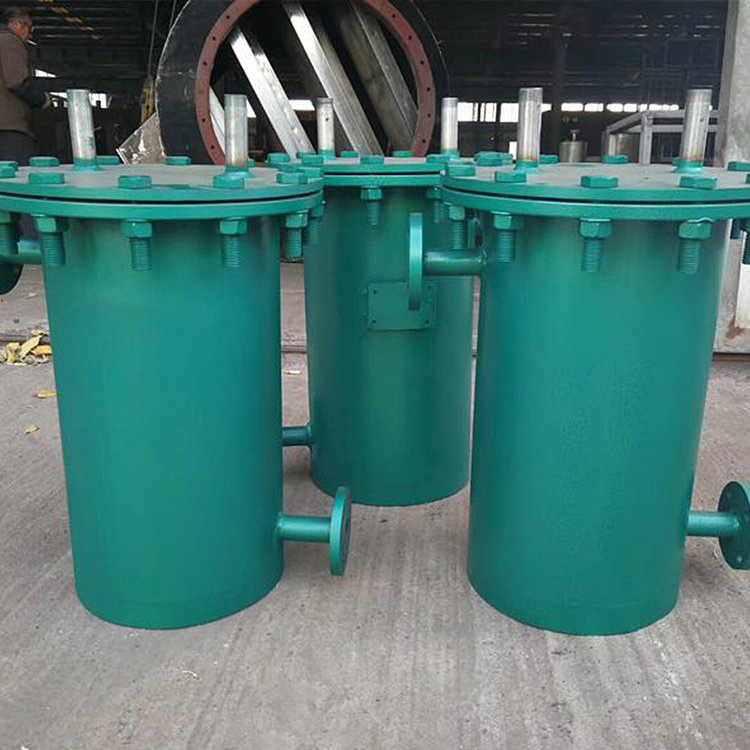
Sampling coolers are used for cooling water and steam sampling in boiler rooms or power plants, including furnace water samplers, steam samplers, feed water samplers, condensate samplers, and bleed water samplers. After cooling the samples, the quality of the feed water is analyzed. Most of the water in boilers and thermal systems is at a high temperature, which is not convenient for sampling or measurement. Therefore, the samples should be cooled during sampling. Hence, the samples from the sampling points are introduced into the sampling cooler for cooling. Generally, it is required that the flow rate be maintained at 500-700 mL/min, with the samples cooled to below 30 degrees Celsius, in compliance with the standard DL/T 457-91 of the People's Republic of China's power industry.
Section Two: Sampling Coolers and Systems
1. Sampling tube materials must be made of stainless steel, not carbon steel or brass, to prevent contamination of the sample by metal corrosion products from the conduit during the sampling process.
2. Sampling tubes are available in single-tube and double-tube sleeve styles.
3. The sampling cooler should have the advantages of a compact structure, high heat transfer efficiency, easy cleaning, and long service life.
4. Large-scale boilers typically use centralized sampling and analysis equipment.
5. Sampling points and locations are listed in the table.

Section 3: Sampling Chiller Ordering Instructions
The sampler tube is made of stainless steel, and the housing is carbon steel.
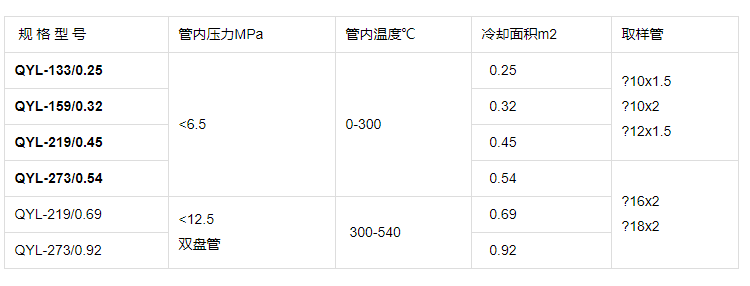
2: Sample cooling tubes are typically selected in diameters of 10, 12, 14, 16, and 18mm (user selectable as well). Interface options include welding and flange, with the cooling water connection being DN25, external thread.
3: Common selections often include: QYL-159/0.32, QYL-219/0.40, and QYL-273/0.54.
4: Do you need a modular set-up (i.e., do you require brackets, sinks, valves, etc.)?
Four, Sampling Cooler Specifications: