


 通过中商114认证

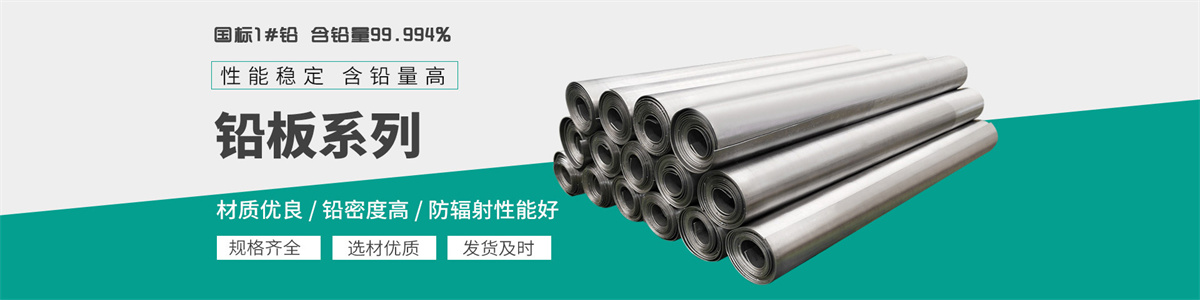
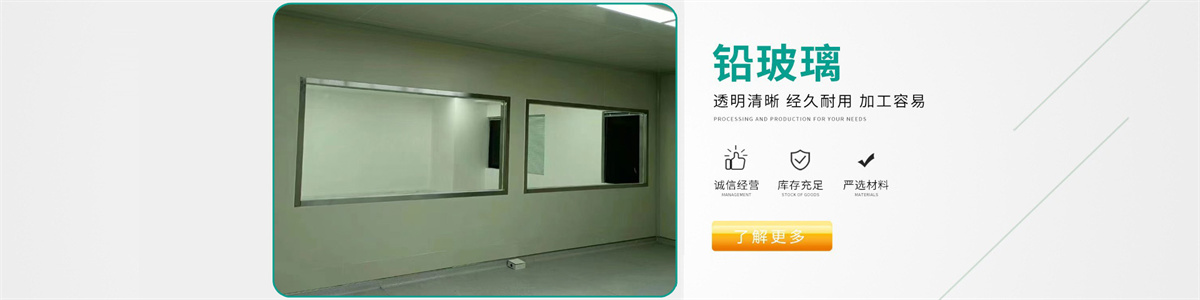
Lead glass refers to sheets made by rolling metal lead, which boasts strong corrosion resistance and alkali resistance. It is a cost-effective radiation shielding material used in many applications such as construction in acidic environments, medical radiation protection, and X-rays. The main component of medical lead glass is lead oxide, which inherently has the function of blocking radiation. Do you know under what conditions lead glass is produced?
Lead has been utilized by humans since ancient times, with evidence of smelting lead from ore dating back to over 3,000 years ago. Lead and zinc occur closely together in nature, especially in primary ore deposits. They share a common mineral source and exhibit very similar geochemical behaviors, as well as a similar outer electron configuration.
Lead glass exhibits strong thiophilicity and forms similar easily soluble complexes. The conditions under which lead glass is adsorbed by ferromanganese, clay, and organic matter are found in the Earth's crust, where there are approximately 250 types of lead-zinc deposits, about 1/3 of which are sulfides and sulfates. However, only 17 types are suitable for industrial use. Galena and Pb sulfate are the main industrial mineral raw materials for smelting lead and zinc in the lead industry.
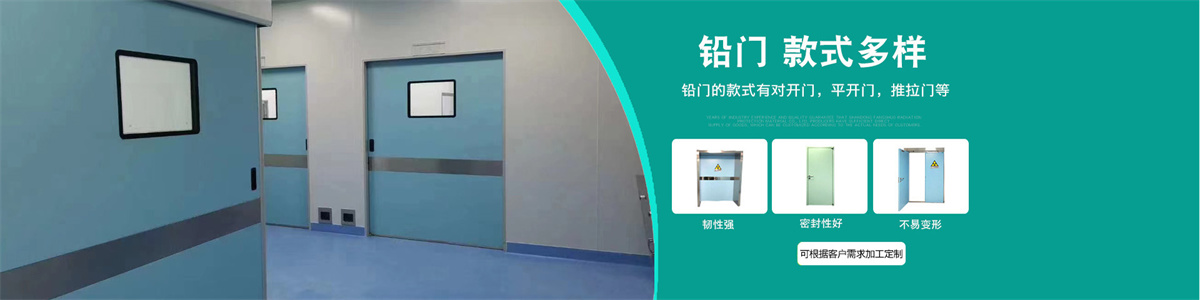
Lead glass is primarily used in the construction industry due to its excellent absorption properties against X-rays and Y-rays. It is commonly employed in X-ray room doors and for protective materials that can be installed in courtyards. Due to铅 poisoning and economic reasons, lead has been replaced by other materials in certain areas.
