






详情描述
Geotextile Bag Introduction:
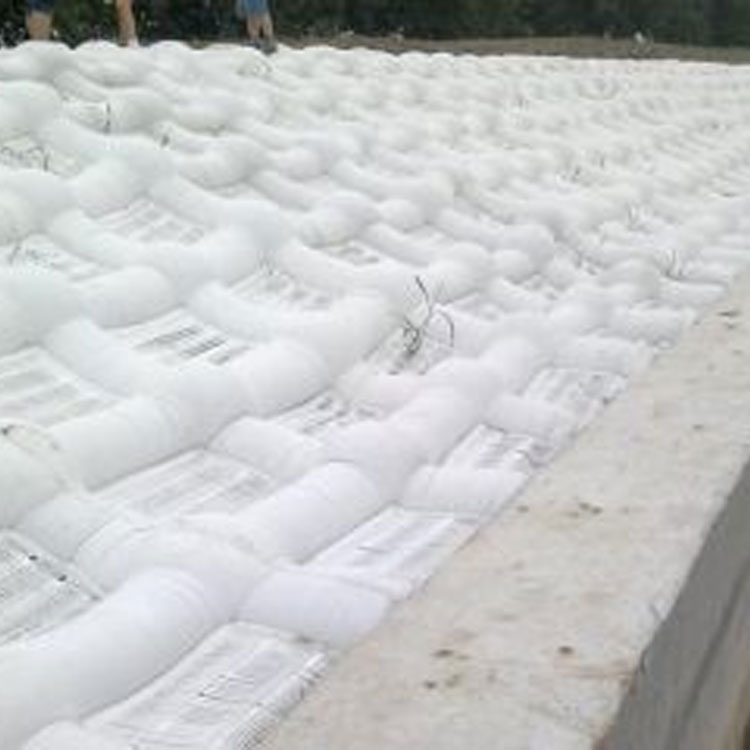
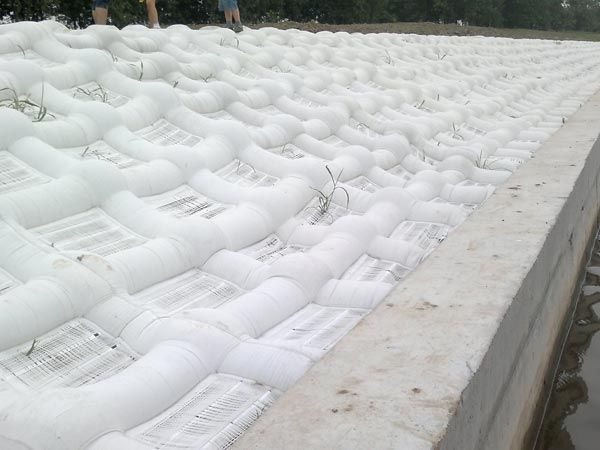
Geotextile bags are continuous (or individual) bag-like products made from a double-layered polymer fiber composite material. The application of geosynthetic materials in engineering is a new technology that has developed over the past two decades, introduced and developed in our country in the late 1970s. Molded concrete is produced by injecting concrete or cement mortar into the bags using a high-pressure pump, with the thickness of the concrete or cement mortar controlled by the length of the suspension cables (polymer materials like nylon, etc.) inside the bags. After solidification, the concrete or cement mortar forms a board-like or other structural shape with certain strength, meeting the needs of engineering projects. As a new type of building material, geotextile bags can be widely used in protective projects such as river, riverbank, lake, sea embankments, shore protection, harbors, and docks.
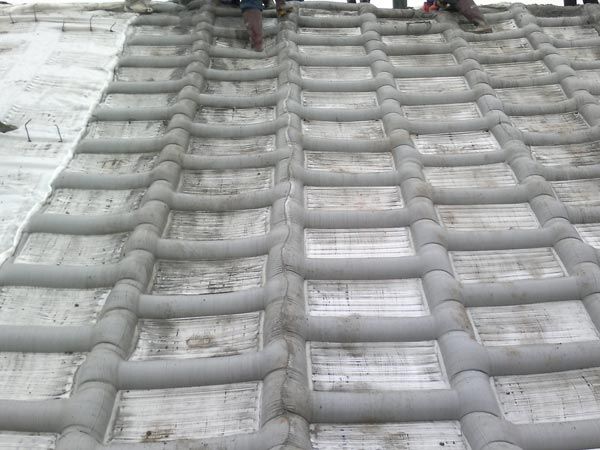
Features include:
(1) Geotextile bags construction utilizes a single spray molding process, making it simple and quick to install.
(2) Geotextile bags are adaptable to various complex terrains, particularly in deep-water revetments and foundations where dike construction is not required. They can be directly installed underwater, featuring high mechanization, large protected slope area, strong integrity, good stability, and a long service life.
(3) Geotextile bags have certain permeability. After concrete or cement mortar is poured in, excess water渗出 through the fabric gaps, which can quickly reduce the water-cement ratio, accelerate the setting speed of concrete, and enhance its compressive strength.
Rectangular formwork fabric has no filtration points on the surface, and can be filled with concrete or mortar according to the construction process. After filling and shaping, it features a beautiful finish with varying heights and contours. The non-filtration point formwork is a four-layer structure with a double-layer fabric, where the second and third layers form an interlaced reinforcing mesh. The filled and shaped product achieves the designed thickness, boasting high compressive strength of the solidified body and an aesthetically pleasing finish. This product has a wide range of applications and is one of the most widely used formworks currently. It is generally suitable for embankment, slope,堤, and bottom protection projects such as reservoirs, water channels, river courses, and reservoirs.
The production process for circular mold bags is quite complex, and it is suitable for projects with thin concrete filling thickness, such as river channel revetments and beach protection.
The filling material in the hinge bag is mainly mortar, and in special cases, concrete may be适量 poured in with the approval of the design unit. The blocks are secured with ropes of varying strengths, both vertically and horizontally, threaded through the center of the blocks, ensuring they are securely fastened to each other. This allows for drainage while also enabling the blocks to settle or shift downward freely after brushing or subsidence of the foundation. This product is suitable for riverbeds and slope footings, as well as bends in rivers, serving as a protective measure against erosion.
The filling material inside the grass planting bags is typically mortar. The product is woven into two types: with and without a pattern. The former has a complex structure, with the grid size usually between 22-30cm. The thickness around the grid is less than 15cm, forming an elliptical solidified mortar section. Trees, flowers, and grass can be planted within the grid to beautify slopes; it is also a novel material for residential areas.


