
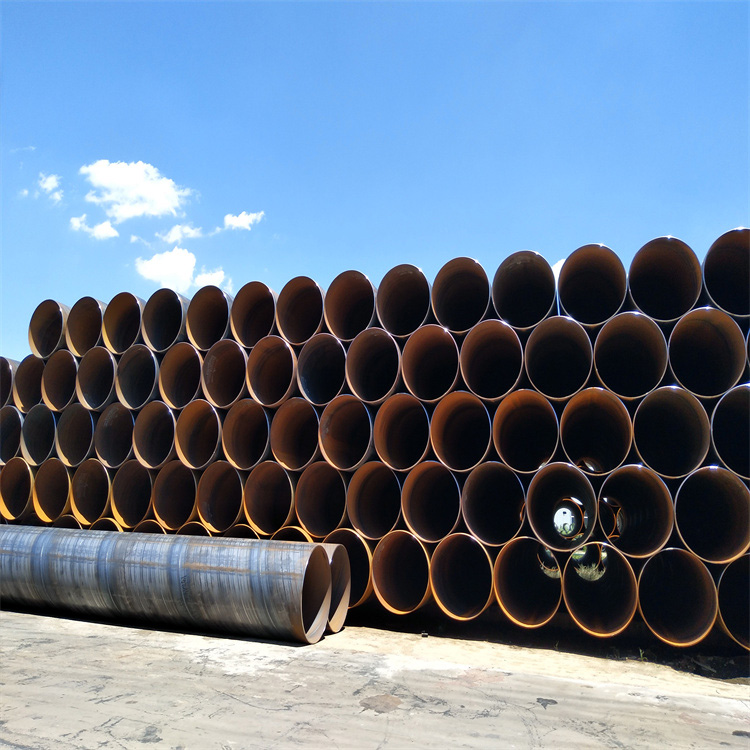
 National Standard Spiral Steel Pipe
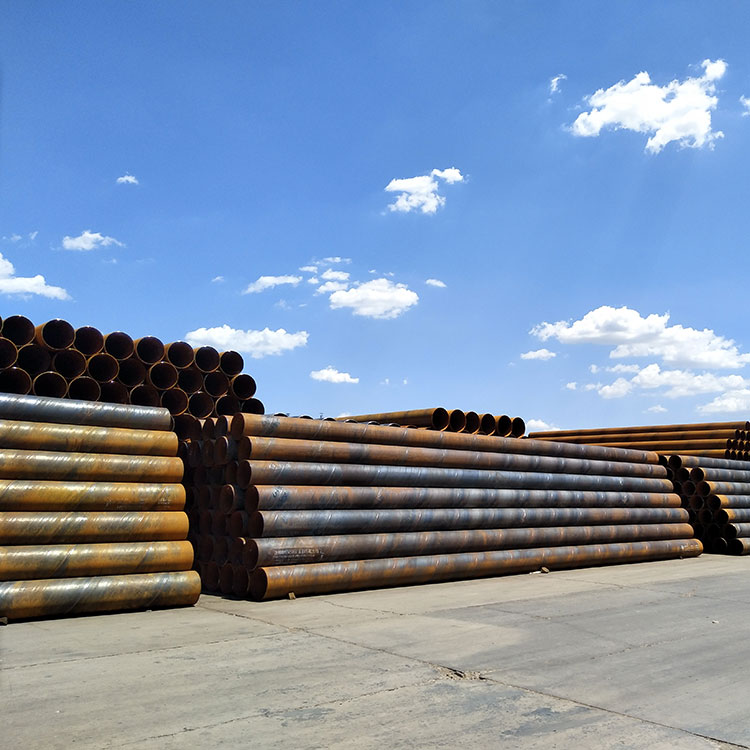 Spiral Steel Pipe Manufacturer
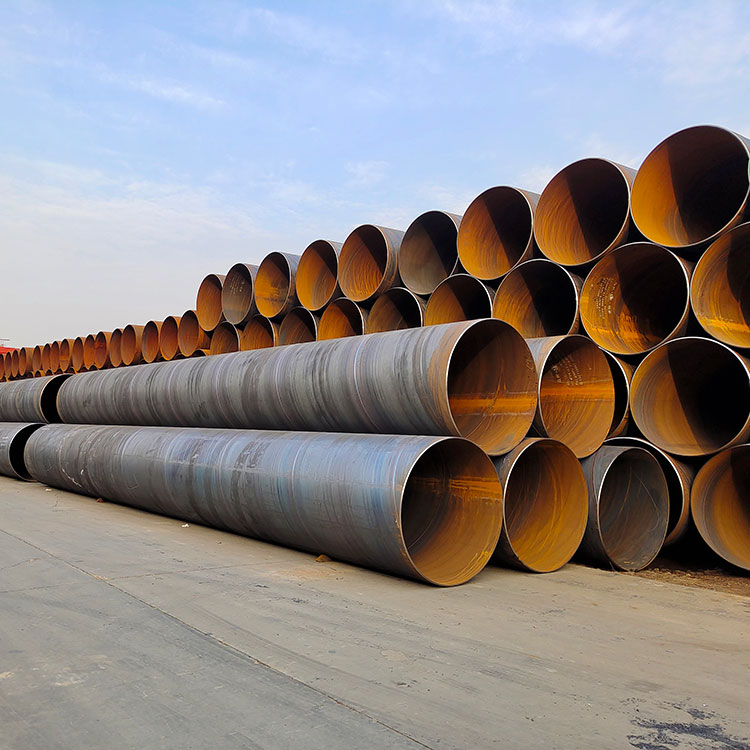 Spiral Steel Pipe Manufacturer Supplies
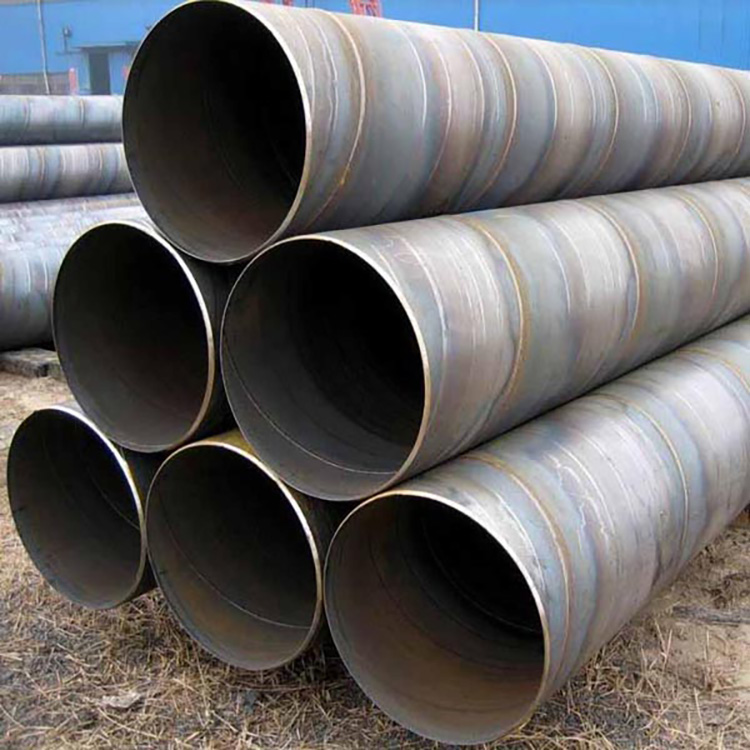 Spiral Steel Pipe for Natural Gas
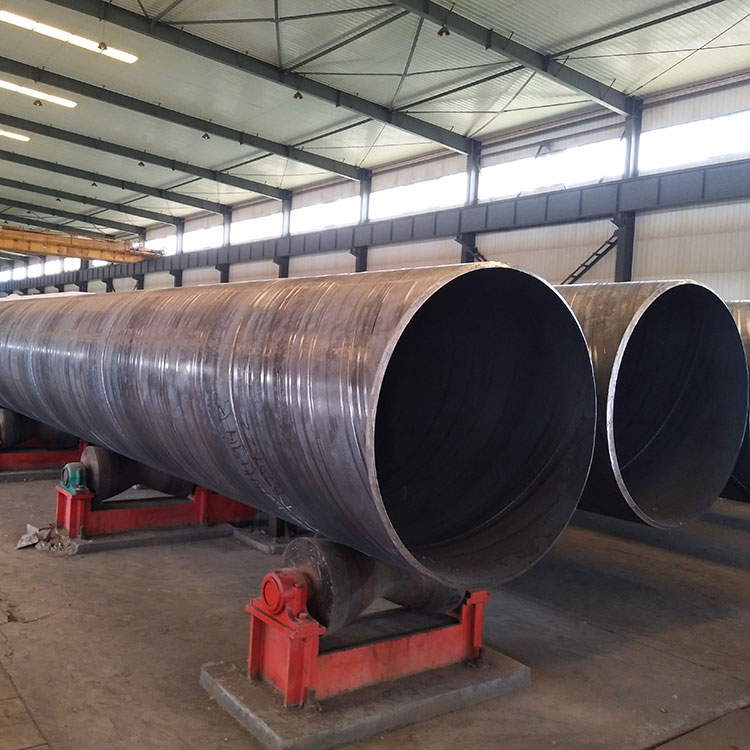 Spiral Steel Pipe in Stock
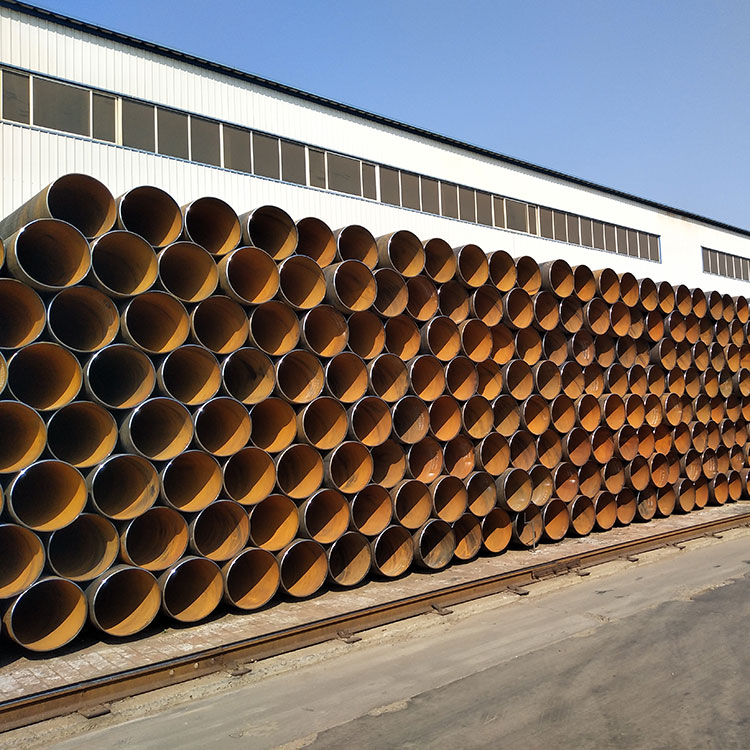 Spiral Steel Pipe
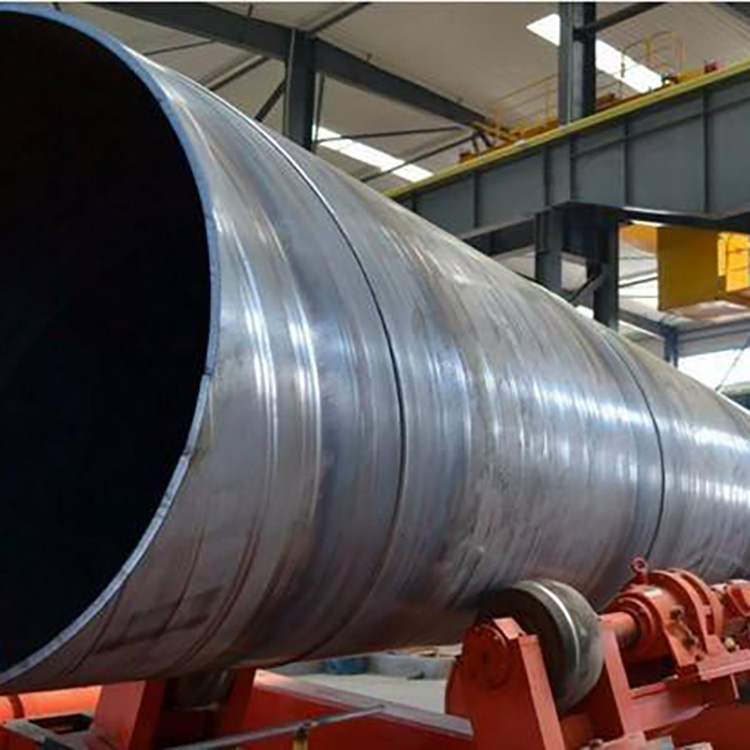 Spiral steel pipe for structural use
Product Details

Helical Steel Pipe, Anti-corrosion Steel Pipe Manufacturer, Physical Factory,...
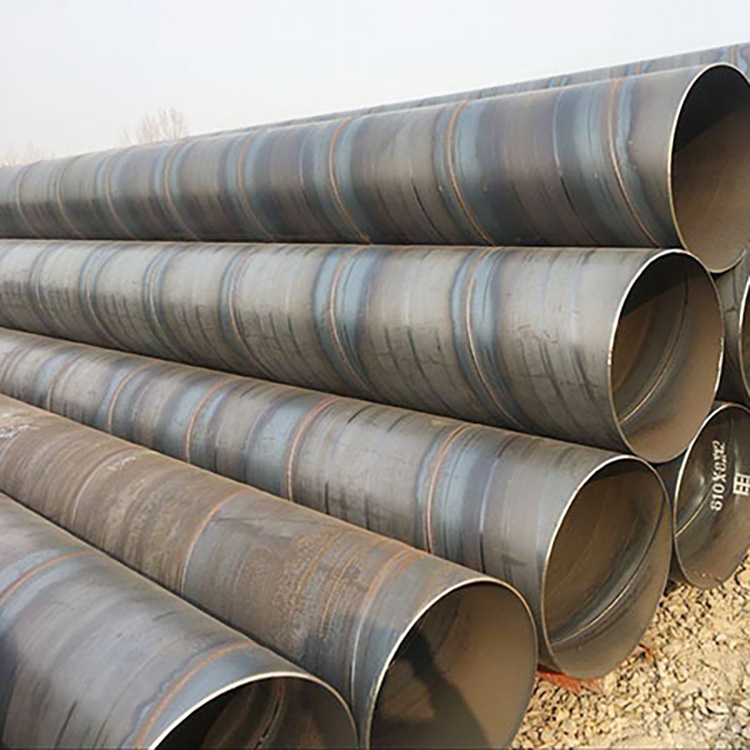
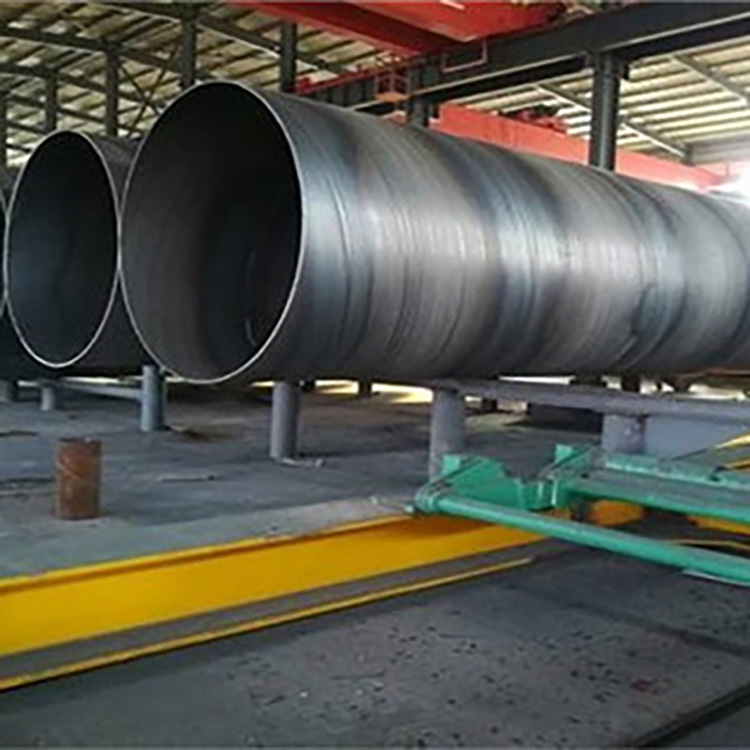
产品Price Negotiable
最小起订Quantity:1 ton 供货总Quantity: 999 ton


Weight Calculation Method |
|
Customized Processing |
Is |
Steel pipe material |
Q235B, Q355B, customizable |
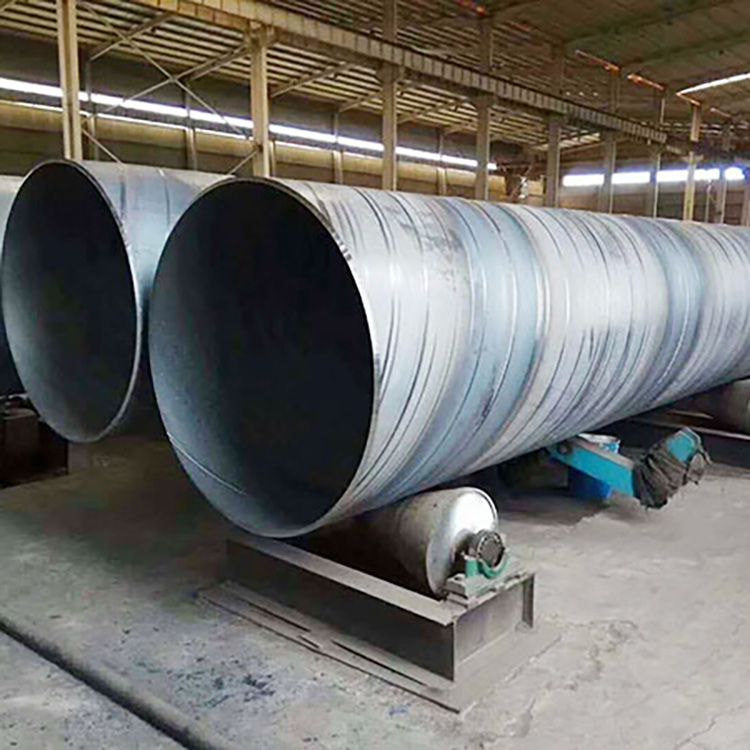
Spiral Steel Pipe for Water Supply and Drainage If the spiral steel pipe for water supply is for drinking water, it must undergo IPN8710 anti-corrosion treatment. The IPN8710 anti-corrosion spiral steel pipe is composed of aliphatic polyurethane prepolymer, epoxy resin, high-quality pigments, additives, and solvents. It is specifically used for anti-corrosion on equipment, water distribution pipelines, and the surface of drinking water tanks that come into contact with food and drinking water. The main material for water supply spiral steel pipes is carbon steel, such as Q195, Q235, and pipeline steel series X42-X70. The storage site or warehouse for water supply spiral steel pipes should be chosen in a clean, well-drained location, far from factories or mines that emit harmful gases or dust. On the site, all weeds and debris should be cleared to maintain the cleanliness of the steel. Spiral Steel Pipe Manufacturer for Water Supply and Drainage Pipeline Helical Pipe Features: The process of straight seam welding pipe is simple, with high production efficiency, low cost, and rapid development. The strength of helical焊接 pipes is generally higher than that of straight seam pipes, allowing for larger diameter pipes to be produced from narrower billets, and different diameter pipes can be produced from the same width billets. However, compared to straight seam pipes of the same length, the weld length increases by 30~100%, and the production speed is slower. Therefore, smaller diameter pipes mostly use straight seam welding, while larger diameter pipes usually use helical welding. Helical pipes are mainly used in water supply projects, petrochemical industry, chemical industry, power industry, agricultural irrigation, and urban construction, being one of the twenty key products developed in China. For liquid transportation: water supply, drainage, wastewater treatment, sludge transportation, and marine water transportation. For gas transportation: coal gas, steam, liquefied petroleum gas. For structural purposes: pile pipes, bridges; wharfs, roads, and building structures. Helical steel pipes are primarily used in water supply projects, petrochemical industry, chemical industry, power industry, agricultural irrigation, and urban construction, being one of the twenty key products developed in China. For liquid transportation: water supply, drainage. For gas transportation: coal gas, steam, liquefied petroleum gas. For structural purposes: pile pipes, bridges; wharfs, roads, and building structures. The main development direction of our steel pipes is: designing new structural steel pipes, such as double-layer helical welded steel pipes, which are made by welding strips that are half the thickness of the pipe wall into a double-layer pipe. Not only are they stronger than single-layer pipes of the same thickness, but they also do not exhibit brittle failure. Developing new steel grades, improving smelting technology, widely adopting controlled rolling and post-rolling heat treatment processes to continuously improve the strength and toughness of the pipe body and its welding performance. Vigorously developing coated pipes, such as applying a corrosion-resistant coating on the inner wall, which not only extends service life but also improves the smoothness of the inner wall, reduces fluid friction resistance, reduces wax and dirt accumulation, reduces pipe cleaning frequency, and lowers maintenance costs. Producing large-diameter thick-walled pipes to improve pressure resistance. Helical seam steel pipes are made from hot-rolled steel strip coils, formed by normal temperature helical rolling, and produced using double-sided submerged arc welding or high-frequency welding. They are used for civil engineering structures, wharfs, bridges, and other foundation pile steel pipes. The main reference standard is SY/T5040-2008 (pile helical seam steel pipes). Spiral Steel Pipe Manufacturers for Water Supply and Drainage Pipelines: Spiral steel pipes are made from strip steel coils, formed through cold extrusion, and welded using the automatic double-sides submerged arc welding process. The main production process includes: (1) Raw materials such as strip steel coils, welding wire, and flux are rigorously tested before use. (2) The ends of the strip steel are joined, and single or double wire submerged arc welding is used, followed by automatic submerged arc welding for reinforcement after coiling. (3) Before forming, the strip steel is leveled, trimmed, beveled, cleaned, and pre-bent. (4) An electrical contact pressure gauge controls the pressure of the cylinders on both sides of the conveyor, ensuring smooth strip feeding. (5) External or internal roll forming is used. (6) A gap control device for the weld ensures the gap meets welding requirements, with strict control over pipe diameter, misalignment, and weld gap. (7) Single or double wire submerged arc welding is performed using Lincoln electric welders for both internal and external welding, ensuring stable welding specifications. (8) All welds are inspected with an online continuous ultrasonic flaw detector, guaranteeing 100% non-destructive testing coverage of the spiral welds. Defects are automatically marked and sprayed, with production workers adjusting process parameters accordingly. (9) Air plasma cutting machines are used to cut the pipes into individual lengths. (10) After cutting, the first three pipes of each batch are subject to strict initial inspection, checking the mechanical properties, chemical composition, fusion, surface quality, and non-destructive testing of the pipes to ensure the manufacturing process is qualified before production begins. (11) Areas with continuous ultrasonic flaw detection marks on the welds are manually inspected with ultrasonic and X-ray, and if defects are found, they are repaired and re-inspected until confirmed to be free of defects. (12) Pipes with butt welds of strip steel and T-joints intersecting with the spiral welds are all checked with X-ray television or filming. (13) Each pipe undergoes hydrostatic testing with radial sealing, with pressure and time controlled by the pipe hydrostatic testing computer. Test parameters are automatically printed and recorded. (14) Mechanical processing of the pipe ends ensures accurate control of the perpendicularity, bevel angle, and chamfer. Our company is a manufacturer of spiral-welded steel pipes for water supply and drainage. After years of development, we have established a large-scale operation in Cangzhou. Equipped with seven Lincoln automatic twin-wire and double-sided submerged arc welding spiral pipe production lines imported from the United States, we produce pipes with φ219-φ3500mm diameters, wall thicknesses of 5mm-30mm, and a full range of materials. Please call for consultation and cooperation. Our main products include spiral steel pipes, spiral焊接 pipes, double-sided submerged arc welding spiral pipes, large-diameter spiral pipes, thick-walled spiral pipes, double-sided submerged arc welding spiral pipes, anti-corrosion pipes, insulation pipes, spiral pipes, and spiral焊接 pipes, among others. Established in 2003, our company covers over 200,000 mu and has an investment of 250 million yuan. In 2006, we invested an additional 310 million yuan to build a new factory with an area of 500 mu. The second factory is a joint venture with Germany, and we have introduced a set of West German JCOE equipment. On this basis, we have independently developed three sets of nine double-sided submerged arc welding production lines, with our independently developed equipment obtaining five national patents. By the end of 2007, our annual output exceeded 600,000 tons. Welcome both new and old customers to call for consultation. Currently, domestic spiral pipe units generally produce from the smallest diameter of 219mm to 3620mm. The specifications and models of spiral pipes are necessarily related to the width of the raw materials and are closely linked to the quality of the spiral pipes. Generally, small-diameter pipes (referring to 219-529mm) are suitable for steel strip widths between 300-550mm. A wider width results in insufficient bonding and an unattractive appearance, while a narrower width makes the spiral pipe difficult to form, with the weld seam nearly forming a right angle. For spiral pipes with diameters up to 1000mm, a 1100mm sheet width is typically used, and for diameters above 1500mm, it is necessary to use coil steel, with a coil width of 1500mm. The production of large-diameter pipes is more technically stringent than that of small-diameter pipes. Helical Welded Steel Pipe Performance Features ① Hardness index The ability of a metal material to resist indentation by a hard object on its surface is known as hardness. Depending on the testing method and scope, hardness can be further divided into Brinell hardness, Rockwell hardness, Vickers hardness, Shore hardness, microhardness, and high-temperature hardness, among others. For piping materials, the commonly used hardness tests are Brinell, Rockwell, and Vickers hardness. Yield Point (σs) Materials with yielding phenomena, the stress at which a specimen continues to elongate without an increase in force (remaining constant) during the tensile process is called the yield point. If the force decreases, the upper and lower yield points should be distinguished. The unit of the yield point is N/mm² (MPa). Upper Yield Point (σsu): The stress at which the specimen first yields before the force decreases; Lower Yield Point (σsl): The minimum stress in the yielding stage, when the initial instantaneous effect is not considered. The yield point calculation formula is: Equation: Fs -- Yield force during specimen tensile test (constant), N (Newtons); So -- Original cross-sectional area of the specimen, mm². Section Reduction Ratio (ψ) In tensile testing, the percentage reduction in cross-sectional area at the necking point of the specimen after it breaks, compared to the original cross-sectional area, is known as the reduction in area. Represented by ψ, the unit is %. The calculation formula is as follows: In the formula: S0 -- Original cross-sectional area of the sample, mm²; S1 -- Minimum cross-sectional area at the necking section after the sample is pulled to break, mm². ④ Elongation at Break (σ) In tensile testing, the percentage increase in length of the gauge length after the specimen breaks is called the elongation percentage. Represented by σ, the unit is %. The calculation formula is: In the formula: L1--the gauge length after the specimen is pulled to break, mm; L0--the original gauge length of the specimen, mm. 5. Tensile Strength (σb) The tensile strength (σb), which is the stress (σ) obtained by dividing the force (Fb) sustained during the tensile process at the point of breakage by the original cross-sectional area (So) of the specimen, is measured in N/mm2 (MPa). It represents the *capacity of the metal material to resist destruction under tension. The calculation formula is: In the formula: Fb--the force *with which the sample is pulled to break, in N (Newtons); So--the original cross-sectional area of the sample, in mm². The mechanical properties of the national standard spiral steel pipe are a critical indicator ensuring the ultimate usage performance (mechanical properties) of the spiral steel pipe, which depend on the chemical composition and heat treatment process of the pipe. In the pipe standards, different usage requirements are specified, including tensile properties (tensile strength, yield strength or yield point, elongation), hardness, toughness indices, as well as high and low-temperature performance as required by the users.
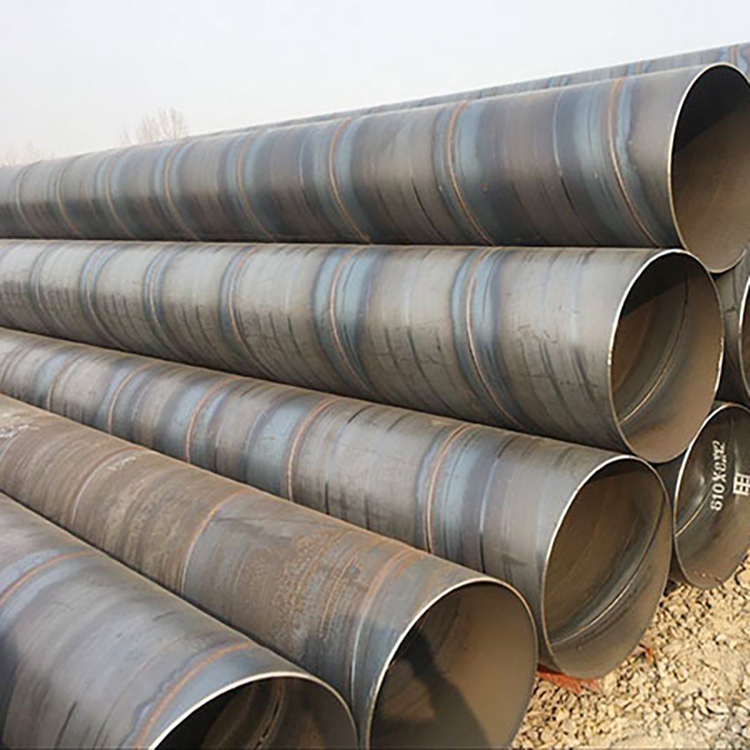
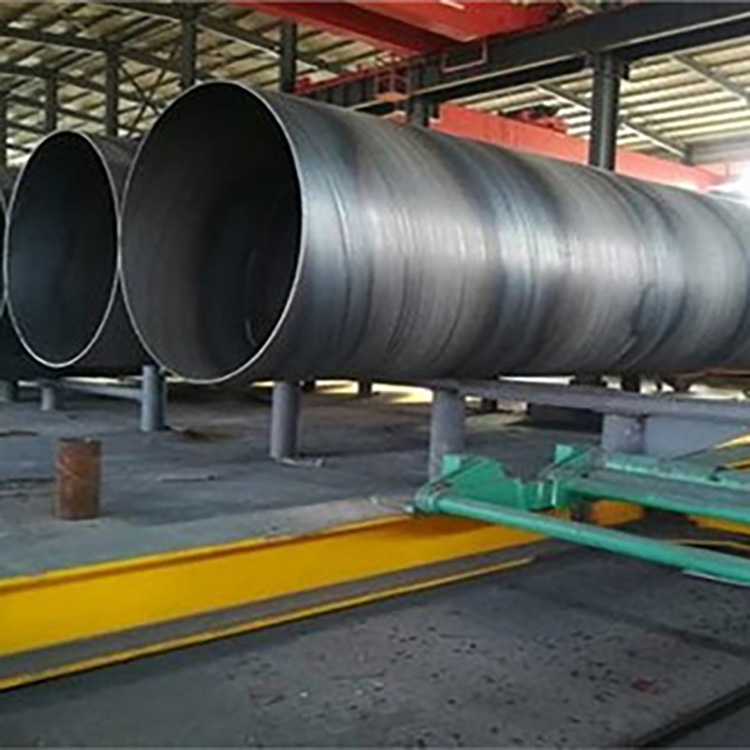

Phone Consultation
QQ Service