


 通过中商114认证
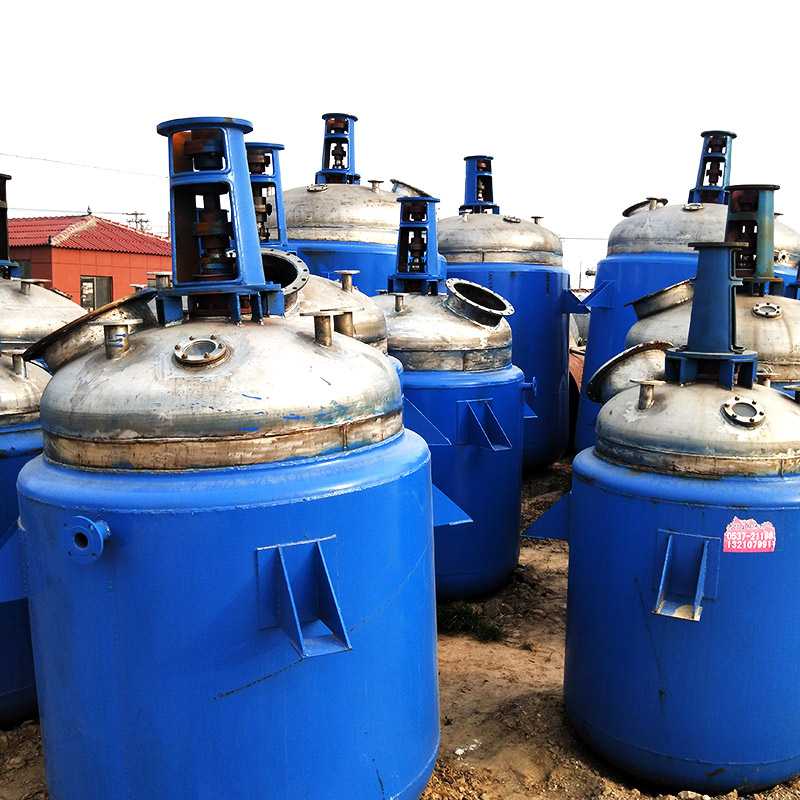
The stainless steel reactor features rapid heating, high-temperature resistance, corrosion resistance, hygiene, environmental pollution-free, no need for boiler automatic heating, and ease of use.
Please provide the Chinese content to be translated.
When using a stainless steel reactor, the valve for the cold medium supply line must be closed, and the remaining cold medium in the pot and jacket must be drained. Then, input the material and start the agitator. Next, open the steam valve and electrical heating power source, and once the desired temperature is reached, first close the steam valve and electrical heating power source, then wait for 2 to 3 minutes before turning off the agitator.
After processing, after draining the remaining condensate from the pot and jacket, the equipment should be promptly rinsed with warm water to remove the adhered materials. Then, clean the interior of the container with a 40℃ to 50℃ alkali solution, followed by a rinse with clean water.
In the absence of material (heat-absorbing medium) in the stainless steel reaction kettle, the steam valve and electrical heating power source must not be activated. Pay special attention to the steam pressure; it must not exceed the rated working pressure.
Maintenance
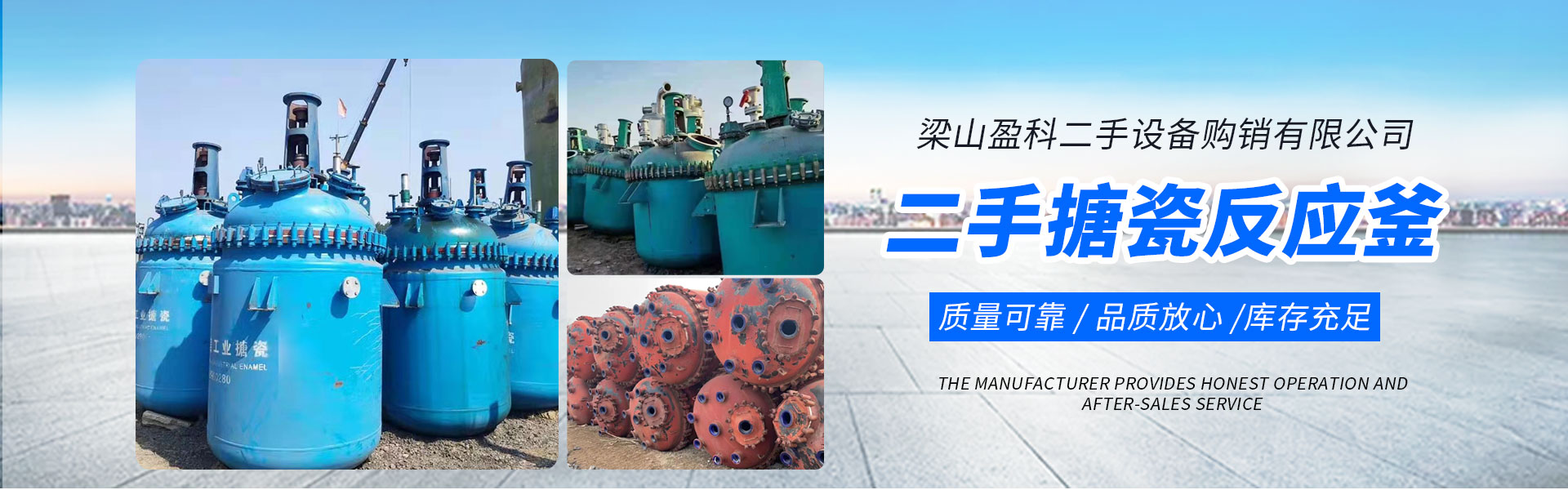
Stainless steel reactors often suffer from porcelain loss, cracks, bubbles, pores, and other surface damages due to mechanical collisions and rapid temperature changes during use. These defects are strictly unacceptable in enamelled equipment, and repairs are mandatory once they occur. The on-site repair agent for high polymer composite materials is a two-component composite material based on high polymer polymers, alloy steel powder, or wear-resistant ceramic powder, supplemented with a curing agent. Compared to conventional resin-based repair agents, high polymer composite materials rely on their own denser high polymer structure, providing stronger adhesion and excellent corrosion resistance. The high polymer can even penetrate into the metal, forming a tighter protective layer of high polymer composite material. The repair process includes: surface cleaning → rust removal → alcohol cleaning → application of primer repair agent → application of topcoat repair agent → curing → use.
Maintenance
Regular maintenance of the stainless steel reactor requires constant attention to the entire equipment and the reducer's operation. In case of insufficient lubricant in the reducer, it should be replenished immediately. The electric heating medium oil should be replaced every six months. Safety valves, pressure gauges, distillation holes, electric heating rods, electrical instruments, and other parts such as the jacket and lid should be inspected regularly. If any malfunctions are detected, they should be replaced or repaired promptly. When the equipment is not in use, it must be cleaned with warm water on the inner and outer walls of the container. Regularly wipe the pot body to keep the exterior clean and the inner pot bright, achieving the purpose of durability.
