
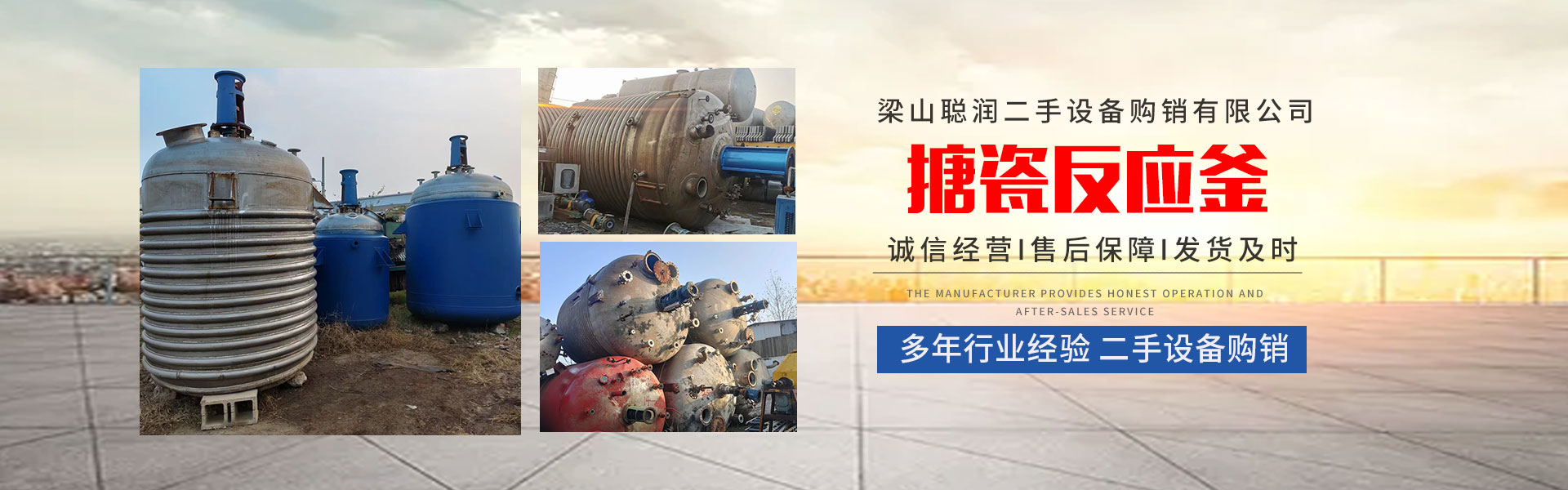
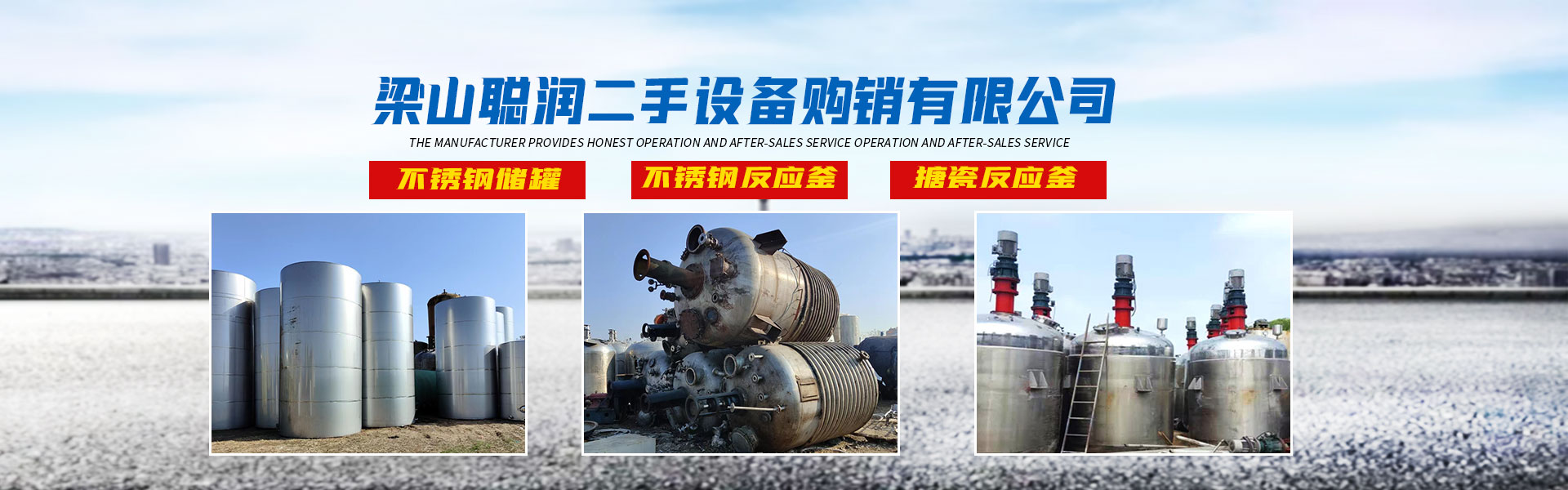

Materials, mixing devices, heating methods, shaft seal structures, volume sizes, temperatures, pressures, and more vary among different types of reactors, each with its unique features. The basic characteristics are described as follows: Reactor
I. Structure
The reactor structure is basically the same, consisting of the reactor vessel, along with transmission devices, mixing, and heating (or cooling) units. These components enhance heat transfer conditions, ensuring more uniform reaction temperature control and do not intensify mass transfer processes.
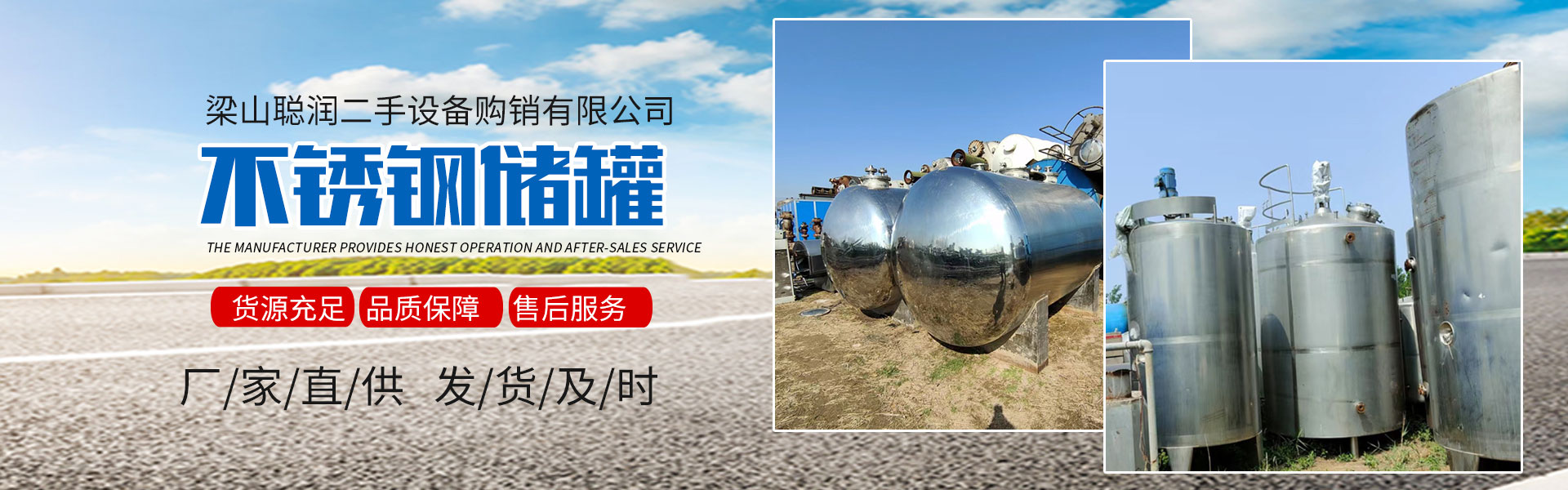
Tanks, as the name implies, are containers made by welding. Generally, tanks should have high sealing and strong corrosion resistance, which places high demands on the manufacturing technology and welding techniques. How is the welding process for tanks? Let's find out together below.
It's widely known that there are numerous welding techniques, each offering good quality. However, when manufacturing storage tanks, the most commonly used method is TIG welding, typically performed manually. In TIG welding, we employ low current, rapid welding speed, and short arc narrow bead welding, ensuring the interlayer temperature is kept below 100 degrees. Of course, the welding material used must also be appropriate, as otherwise, it could affect the welding outcome.
Section II: Operational Pressure
The operating pressure of the reactor is high. The pressure inside the reactor is either generated by chemical reactions or formed by an increase in temperature, with significant fluctuations. Sometimes, the operation is unstable, and sudden pressure increases may exceed normal pressure by several times. Therefore, most reactors are classified as pressure vessels.
