
Introduction to Magnetic Coagulation Sedimentation Technology
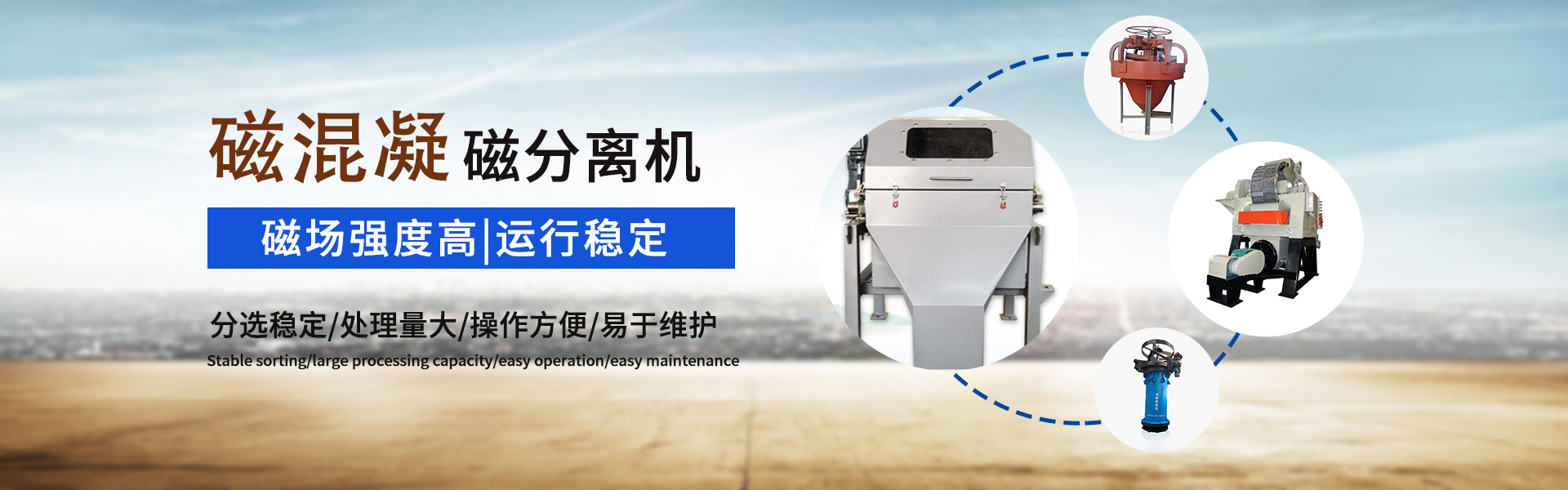
The Magnetic Coagulation Sedimentation Technology involves synchronously adding magnetic powder with a density of 4.8-5.1 to the traditional coagulation sedimentation process, allowing it to combine with pollutants to form a single entity. This enhances the coagulation and flocculation effects, resulting in denser and stronger flocs for faster sedimentation. The sedimentation speed of magnetic flocs can reach over 40 m/h. The magnetic powder is then recycled and reused through high-shear machines and magnetic seed catchers (magnetic separators).
The process has a very short dwell time, making the occurrence of reverse dissolution for most pollutants, including TP, highly unlikely. Additionally, the magnetic powder and flocculants added to the system offer excellent adsorption for bacteria, viruses, oils, and various tiny particles, resulting in superior removal effects for these pollutants compared to traditional processes, particularly for phosphorus removal. Moreover, its high-speed sedimentation performance makes it faster, more efficient, occupying less space, and requiring lower investment when compared to traditional methods. Magnetic coagulation sedimentation technology is a revolutionary new technology.
Magnetic coagulation sedimentation technology originated in the United States. Historically, its application in water treatment projects has been limited due to unresolved issues with the recovery of magnetic powder. However, this technical challenge has now been successfully overcome, achieving a recovery rate of over 99%. Consequently, the technological and economic advantages of the magnetic coagulation sedimentation process have been fully demonstrated and are gaining wider application domestically and internationally. Currently, China is gradually implementing the engineering application of this technology in urban wastewater treatment, recycled water use, river pollution treatment, high-phosphorus wastewater treatment, paper mill wastewater treatment, and oil field wastewater treatment, all yielding positive results.
