


Upon entering the tower through a gate, clear debris and silt from the bottom basin, and inspect the pipes for blockages. Wash away dirt from the heat sinks and the basin with high-pressure water, and drain the wastewater through the outlets.
Ensure that motor wiring is correct, secure, and the motor junction box is tightly sealed to prevent water and gas from seeping in. Check the tension of the belt drive system, ensuring it is between 8-15mm. Verify that the fan rotation is smooth and flexible, and that the spacing between the fan blades' tails and the water tower housing is even.
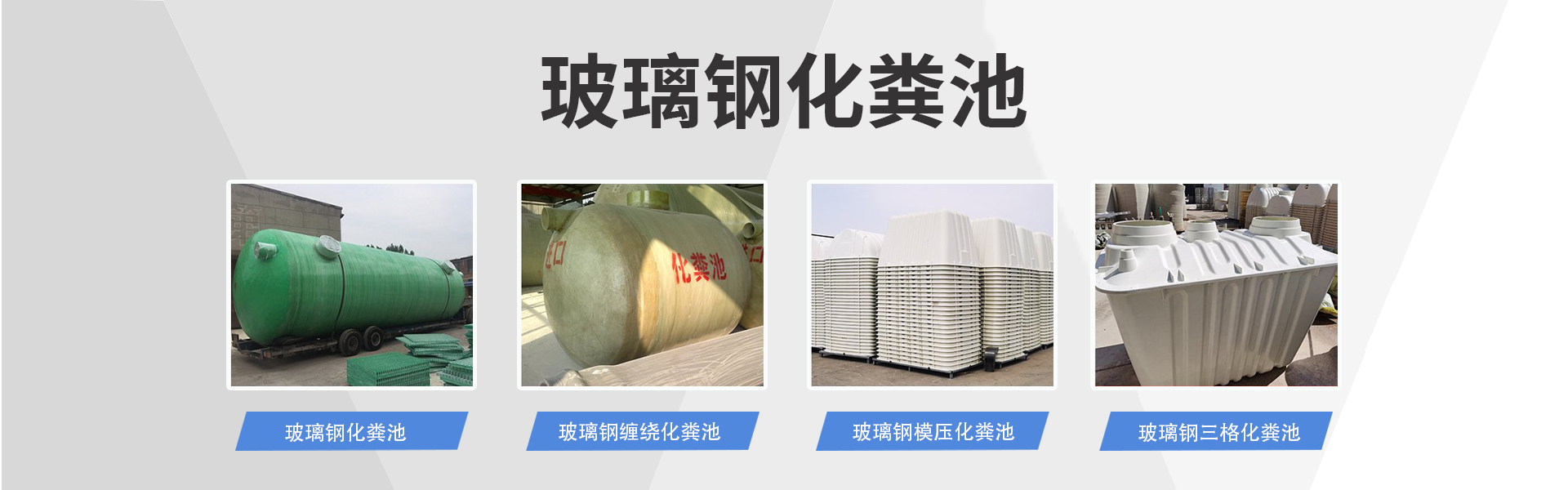
Check if the float valve assembly is properly installed. Verify the quantity and density of each layer of film are appropriate. Ensure all bolts on the glass fiber reinforced septic tank are securely tightened.
Water Level Adjustment: Fill the fiberglass septic tank's water basin and pipes to the operating water level, and adjust the float valve assembly to the operating water level as well. This ensures that after the pump is turned on, the water level in the bottom basin remains at the operating water level height, which is 20mm below the overflow outlet.
Upon turning on the motor switch, observe from the top of the water tower that the fan should rotate clockwise and expel air outward. Once the recirculating water system is activated, check the operating current at this point, ensuring it does not exceed 95% of the rated current indicated on the motor's label.
After the pump operates, the incoming water enters the distribution basin through the energy-consuming cylinder, and is evenly and finely sprinkled by the sprinkler holes distributed on the basin.
