
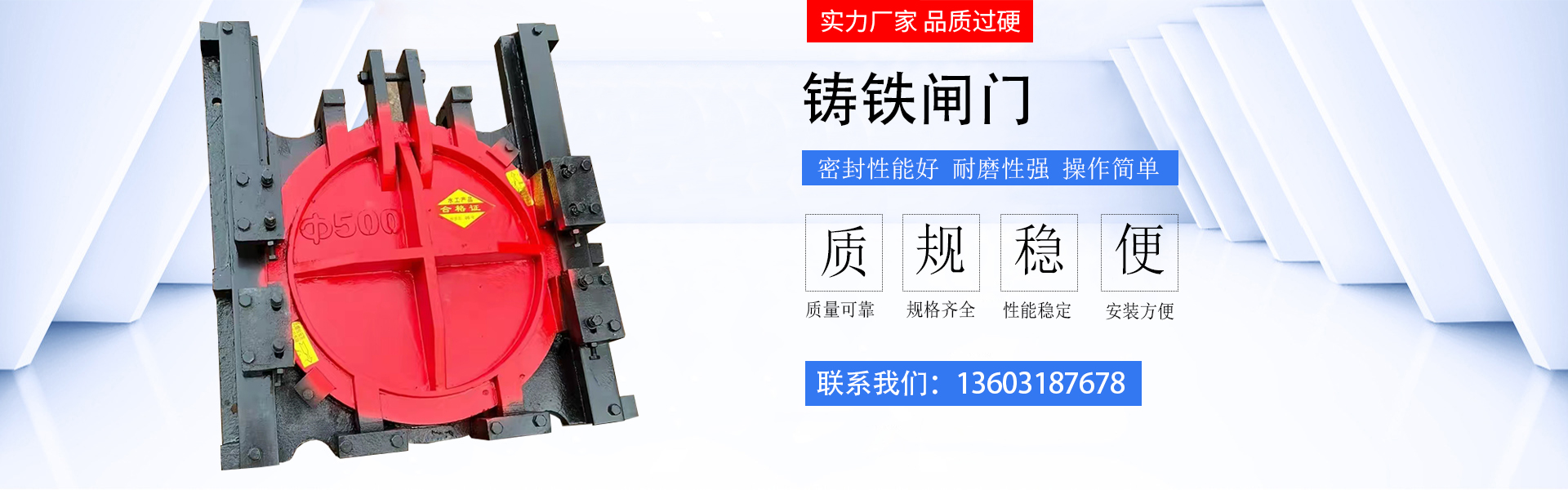
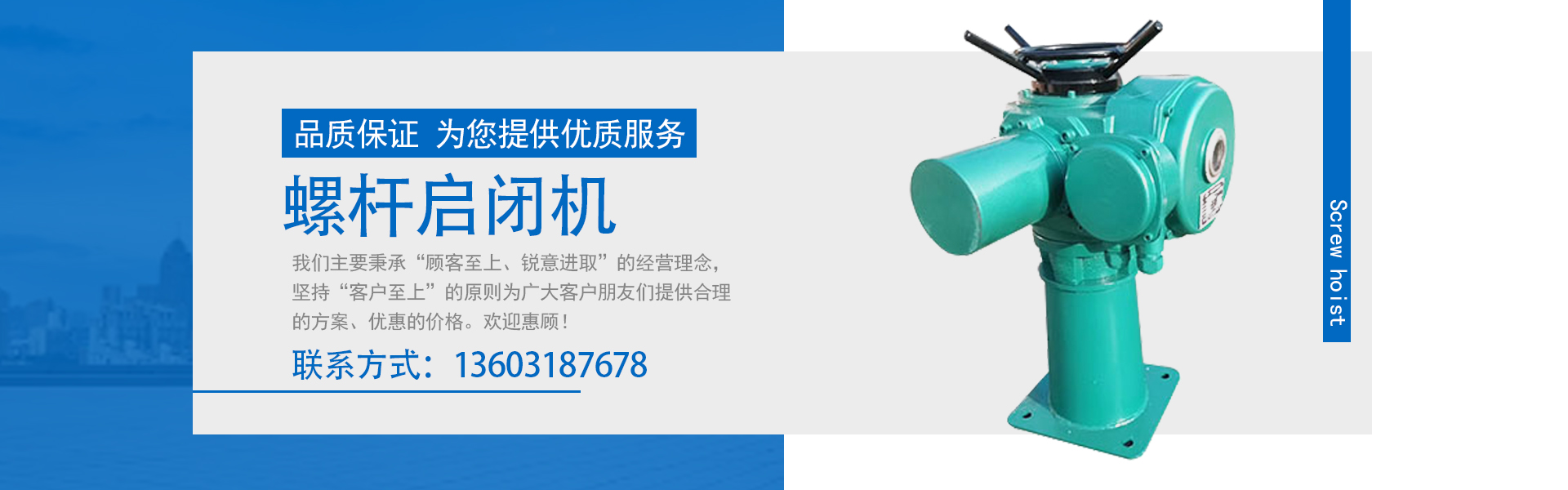
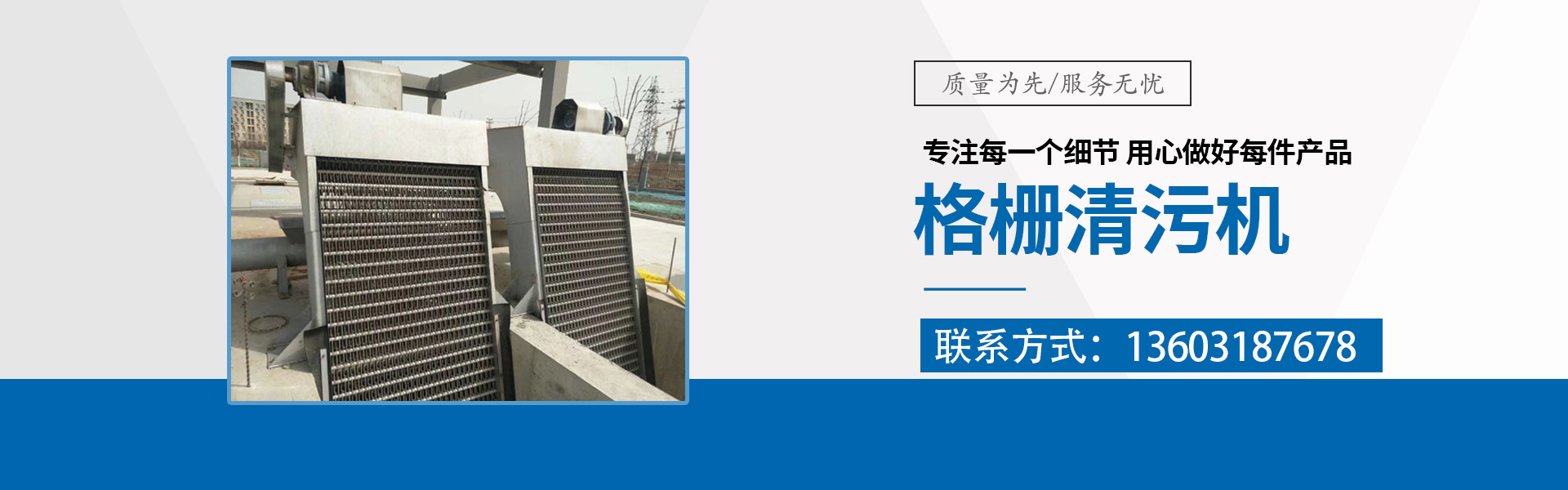


Cast iron sluice gates are a type of vertical sliding gate, either flat or arched, primarily operated by screw-driven hoists for opening and closing. The hoist drives the gate body up and down, achieving the purpose of channeling and obstructing water flow.
The cast iron gate's feature is its strong corrosion resistance. The cast iron gate is composed of several parts, including the gate frame, gate, and pressure blocks, but what sets it apart from steel gates is that these components are an integrated unit, requiring overall installation.
Wrought iron gates are divided into two main categories: PZ flat gates and PGZ arched gates, differing by the shape of the gate leaf. The specific selection can be determined by a comprehensive comparison of factors such as gate opening size, head pressure, operation type, and the gate's own weight. Available in sizes from 0.2x0.2 to 6x6 meters, customized non-standard gates can be produced according to customer requirements.
Cast Iron Gate Usage and Maintenance
Gate operators should be mindful of the upper and lower limit positions of the gate plate during opening and closing. They must not exceed these limits to avoid damaging the gate or the opening and closing mechanism.
2. In the event of any abnormal conditions during the opening and closing of the gate, immediate cessation of use is required, followed by timely inspection and repair.
The gate stops 10 centimeters above the bottom when closing, pausing for 1 minute to allow the rapid current to clean any debris from the bottom gate slot, before closing the gate again.
