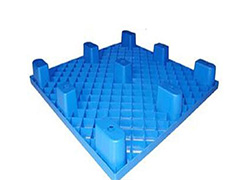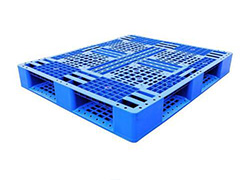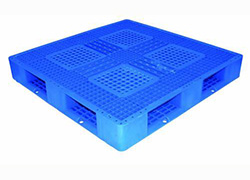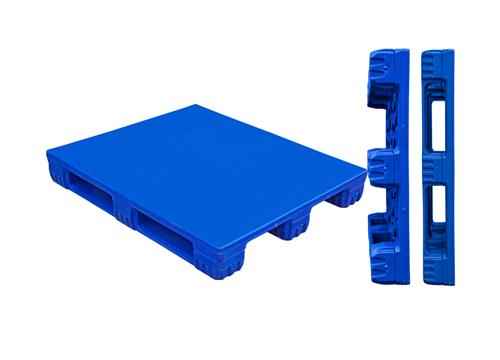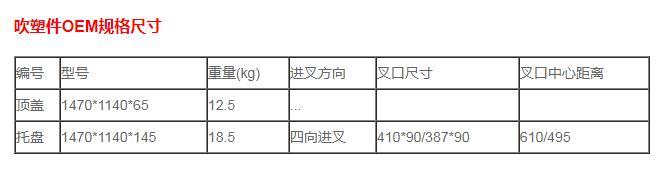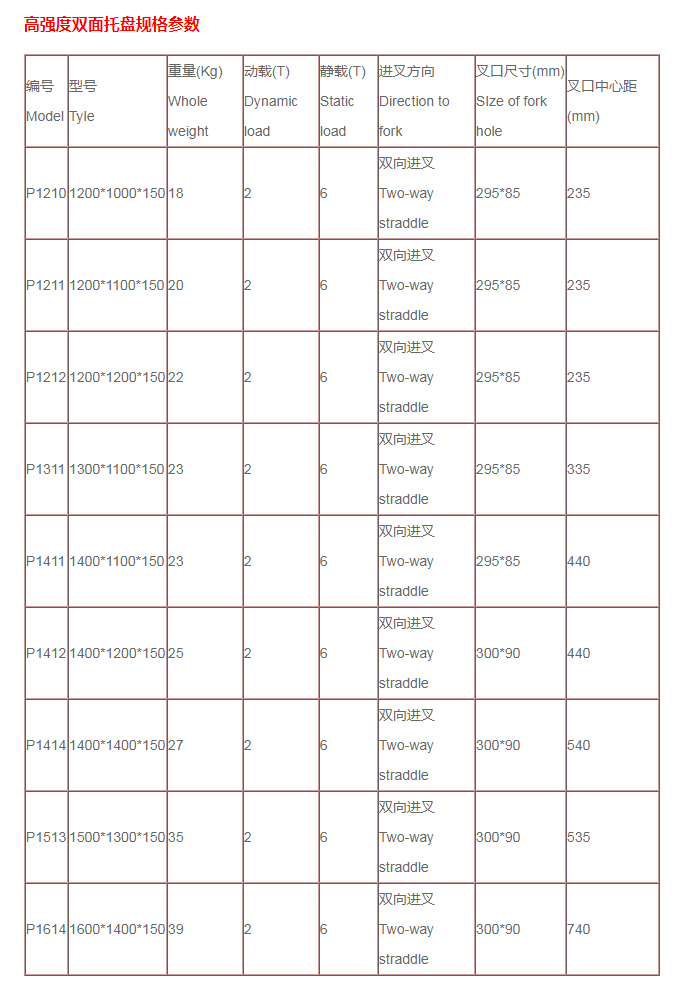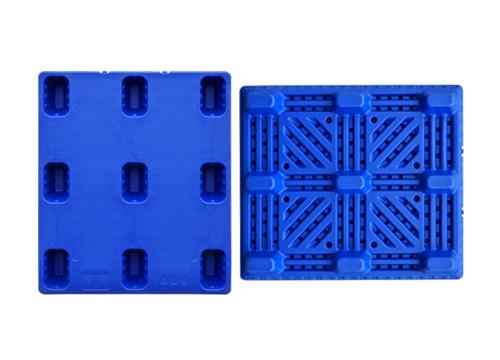



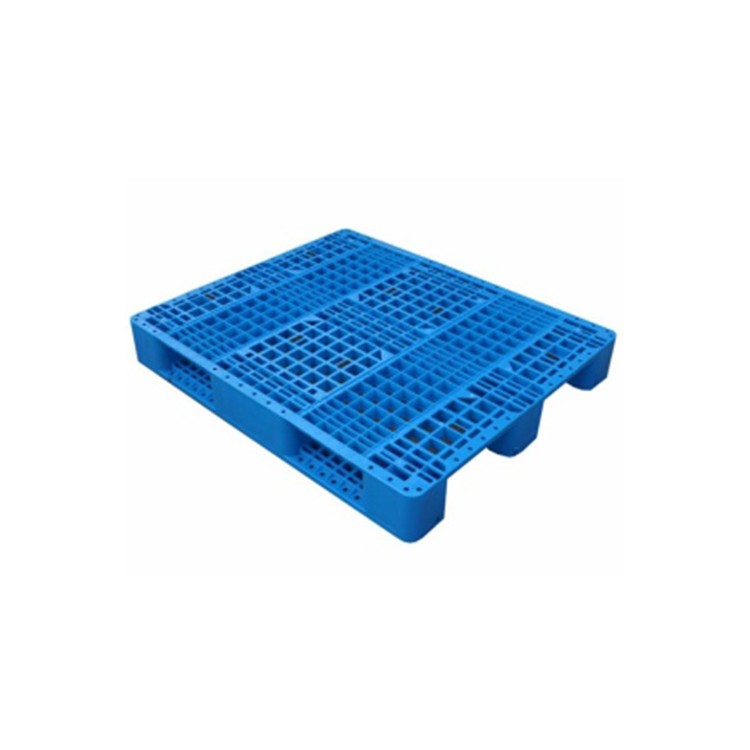
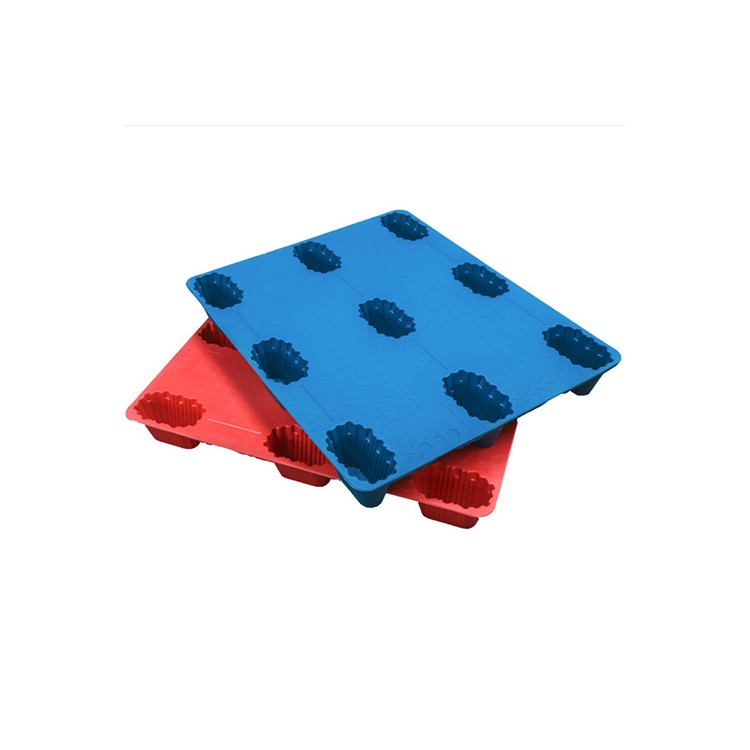
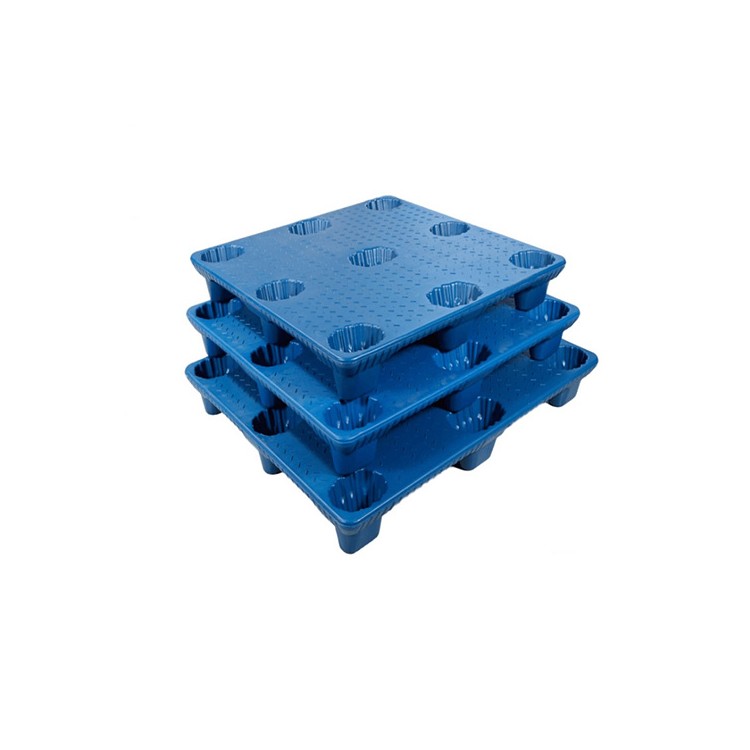
Pallets, as defined in logistics terminology, are horizontal platform devices used for handling and transporting goods and products in unit loads. As a container-like equipment similar to shipping containers, pallets have been widely used in the fields of production, transportation, storage, and distribution, and are considered to beOne of the two major innovations in the logistics industry in the 20th century. Pallets, as essential equipment for loading, unloading, storage, and transportation in the logistics process, when used together with forklifts, play a crucial role in modern logistics. The benefits that pallets bring to the modern logistics industry are mainly reflected in: achieving unified, standardized packaging, protecting goods, and facilitating logistics and business processes. Pallets are also known as "pallets." Depending on their functions, there are at least two types of pallets: one for everyday use and another for placing plates during serving. Another type is the logistics pallet. As an everyday pallet, it is used to hold plates and bowls, etc. Pallets in logistics are categorized based on material, usage, design, fork insertion mode, and structure, with various types available. Particularly in situations requiring rapid operations, due to their high operational efficiency, safety, and stability, the utilization rate of pallets continues to increase. The market offers a variety of pallet types, including wooden pallets, steam-free plywood pallets, four-way entry pallets, double-deck pallets, European standard CP3 pallets, square base pallets, single-sided plywood pallets, double-sided plywood pallets, double-sided steam-free pallets, numbered, thick plywood, double-sided grid plastic pallets, blue plastic pallets, European standard CP3, black plastic pallets, 12 kg black grid. Additionally, there are various special-purpose pallets, such as flat glass container pallets, tire pallets, long-sized item pallets, and drum pallets.