
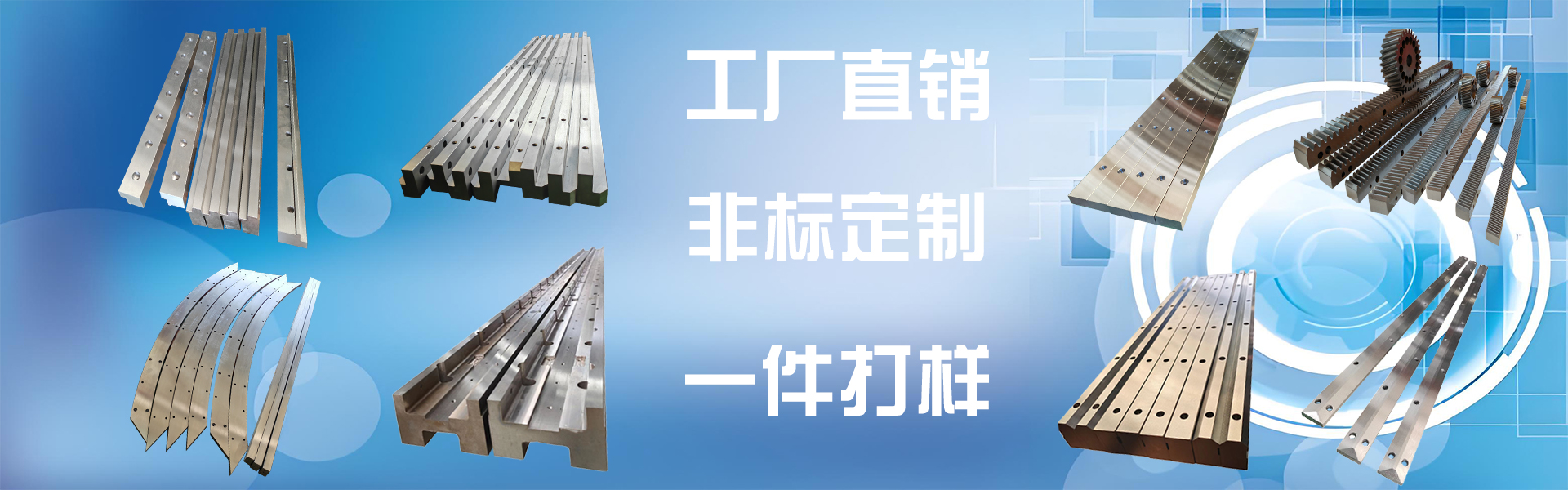

The sliding guide rail, with its simple structure, high rigidity, large load-bearing capacity, and low cost, is widely used in various equipment scenarios that require linear guidance and have high demands for cost and impact resistance. Specifically, it can be categorized into the following types:
1. General and Heavy-duty Machining Fields
This is the most critical application scenario for sliding guideways, particularly suitable for traditional machine tools that can withstand high cutting forces and heavy loads.
Typical Equipment: Standard lathe, milling machine, drilling machine, planning machine, floor-type boring and milling machine, gantry milling machine.
Application Parts: Machining Table, Tool Holder, Sliding Plate, Pillar, etc.
The adaptation reason is that the face-contact structure can withstand the weight and cutting impact of heavy workpieces, offering much higher rigidity than rolling guides, while also being cost-effective, meeting the precision requirements for general machining.
2. Economy CNC Machining Centers and Retrofit Equipment
For CNC equipment with moderate precision requirements and limited budgets, plastic-laminated sliding guides are the mainstream choice.
Typical Equipment: Economy CNC Lathe, CNC Milling Machine, and CNC Retrofitting Projects for Older Machining Equipment.
Reason for Adaptation: By adhering a wear-resistant plastic strip to the metal guide rail surface, it maintains the high rigidity of the sliding guide rail while reducing the coefficient of friction, alleviating the issue of low-speed crawling, and offering a significantly better cost-performance ratio compared to rolling guides.
3. Heavy Industrial Machinery & Metallurgical Equipment
In the face of super-heavy loads and harsh operating conditions, the sliding guide rail's shock resistance and wear resistance advantages are particularly prominent.
Typical Equipment: Metallurgical rolling machines, mining machinery, large hydraulic presses, and lifting and transportation equipment.
Application Components: Rolling Mill Workbench, Press Slab, Crane Running Track.
Adaptation Reasons: Capable of withstanding impact loads of up to several dozen or even hundreds of tons, and exhibits enhanced resistance to harsh environments such as dust and iron shavings, with low maintenance costs.
4. Automated production lines and light industrial equipment
In automation scenarios with less stringent requirements for motion precision, sliding guides can still be effective.
Typical Equipment: Small Conveying Lines, Packaging Machines, Textile Machinery, Printing Machinery.
Application Components: Conveying Platforms, Feeding Mechanisms for Packaging Machines, Guiding Rails for Textile Machines.
The reasons for the compatibility include its compact structure, easy installation, ability to meet guidance requirements for low-speed reciprocating motion, and significantly lower cost compared to roller guides.
5. Woodworking Machinery & Building Materials Processing Equipment
For wood, stone, and other non-metallic materials processing equipment, the sliding guide rail's dust resistance and shock resistance characteristics offer strong adaptability.
Typical Equipment: Woodworking milling machines, planers, stone cutting machines, tile processing equipment.
Reason for Adaptation: Dust and debris generated during the processing stage are unlikely to cause fatal damage to the sliding guide rails, and they can withstand the weight of the panels and processing impacts, with simple maintenance.
6. Other Civil and Special Equipment
Sliding guideways have渗透 into everyday life and some special fields:
Medical Equipment:升降导轨 for medical beds and mobile guides for X-ray machines, featuring simple structure and stable operation.
Furniture and Doors: Drawer slides (early economy models) and sliding door tracks offer cost-effective solutions to meet daily usage requirements.
Construction Machinery: Excavator and loader cabin sliding guides, bucket linkage guide components, vibration-resistant and shock-absorbent.