
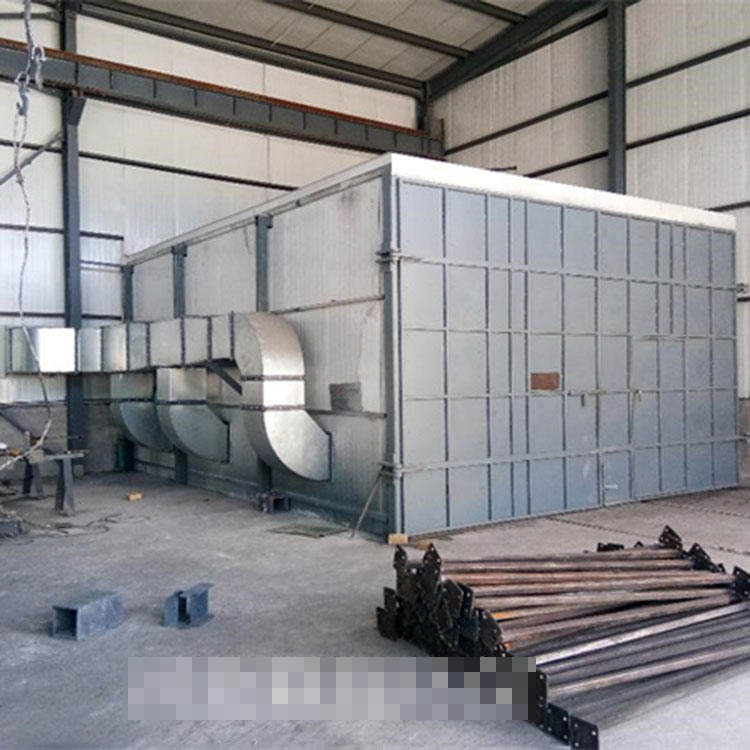
 Automatic Sandblasting Recovery Booth
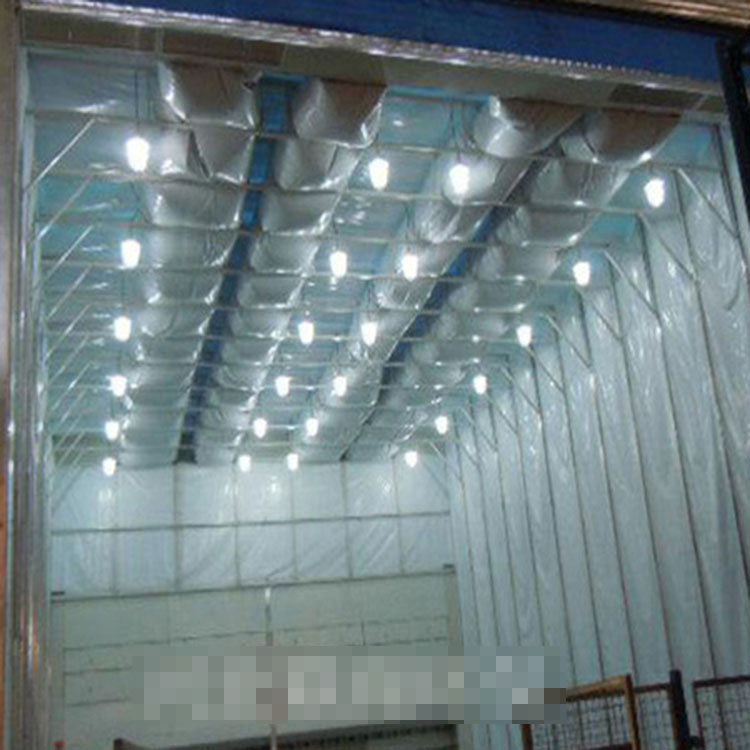 Combination Steam and Dry Room
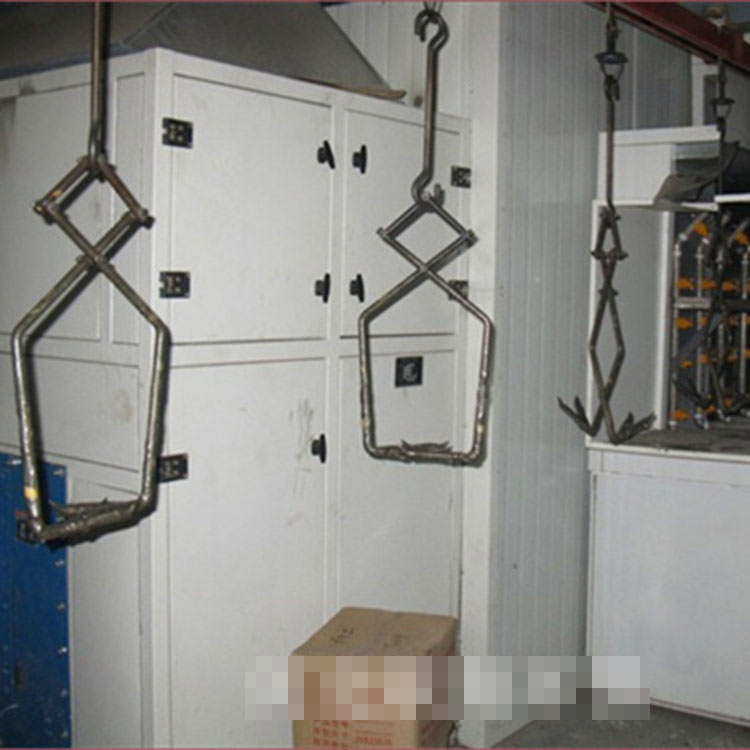 Suspended Spray-Dry Production Line Purification Equipment
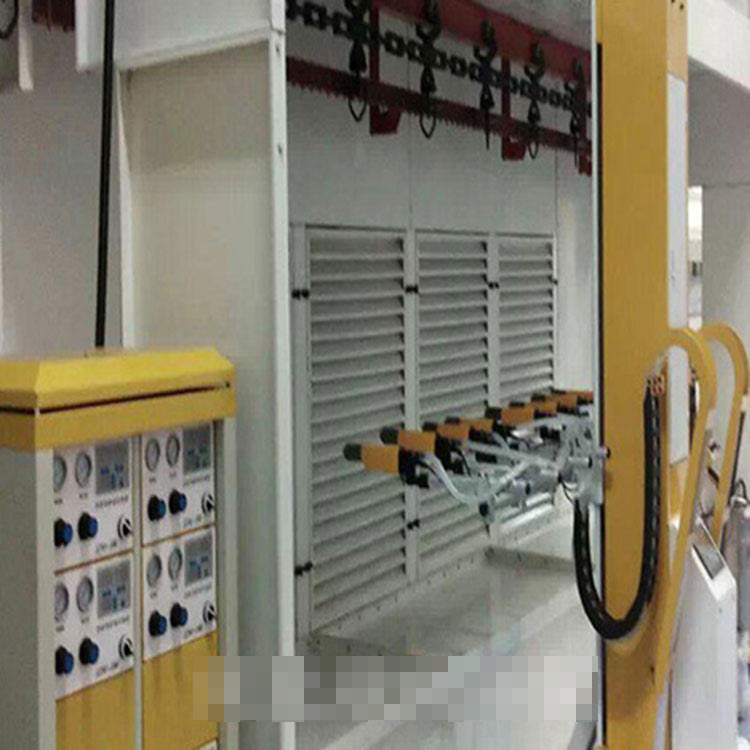 Automated Spray Purification Equipment
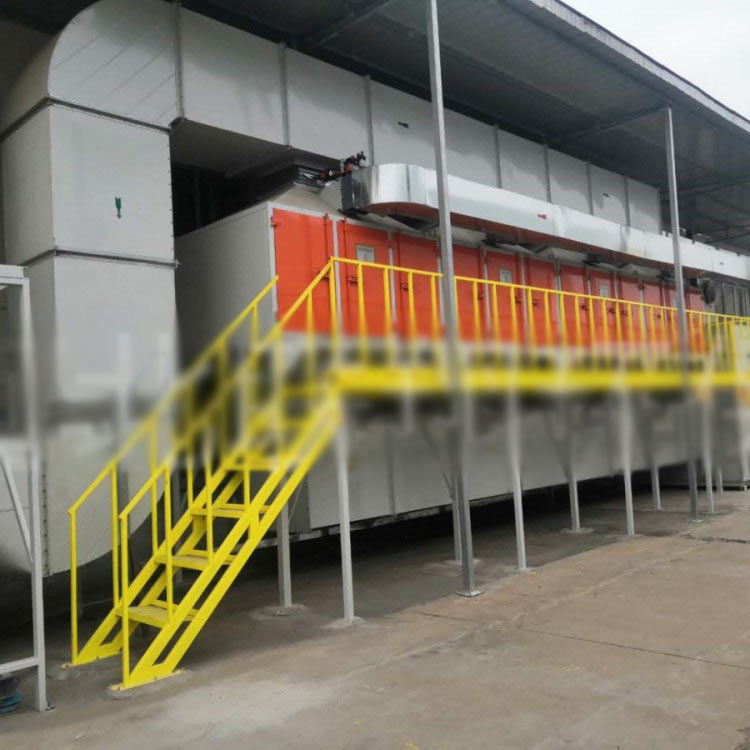 Eco-friendly Paint Booth, Fixed Dry Paint Booth, Exhaust Gas Treatment, Catalytic Combustion Equipment
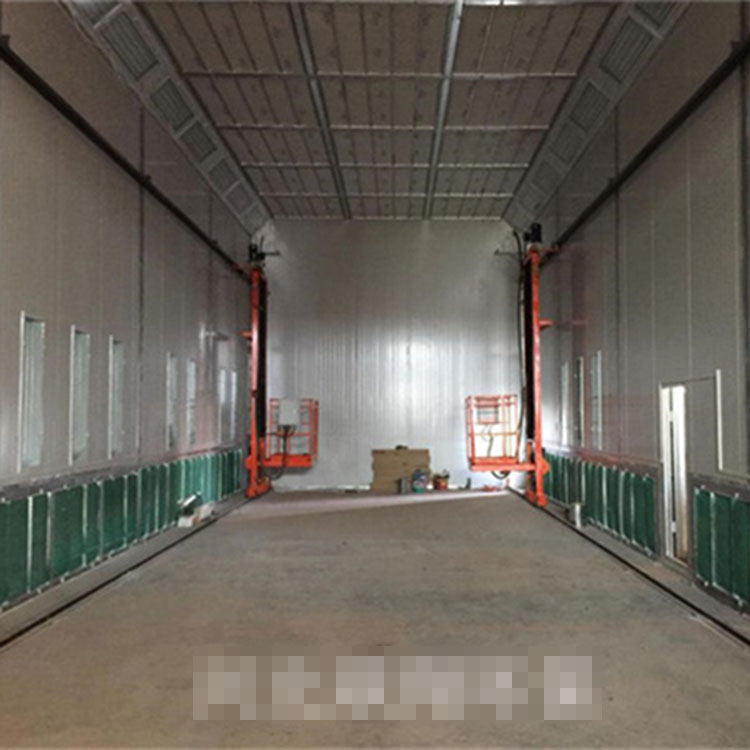 Fixed Spray Booth
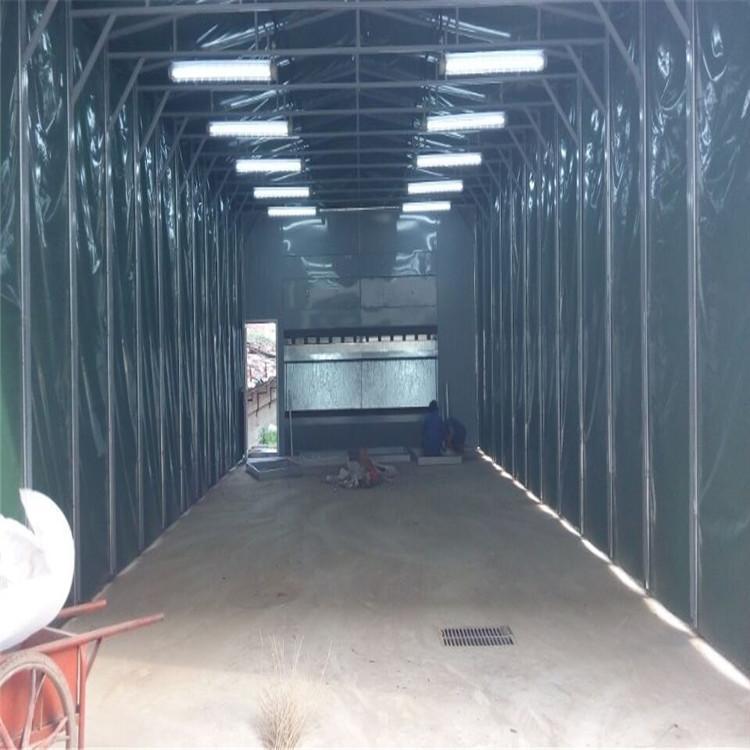 Dry spray painting booth
Product Details

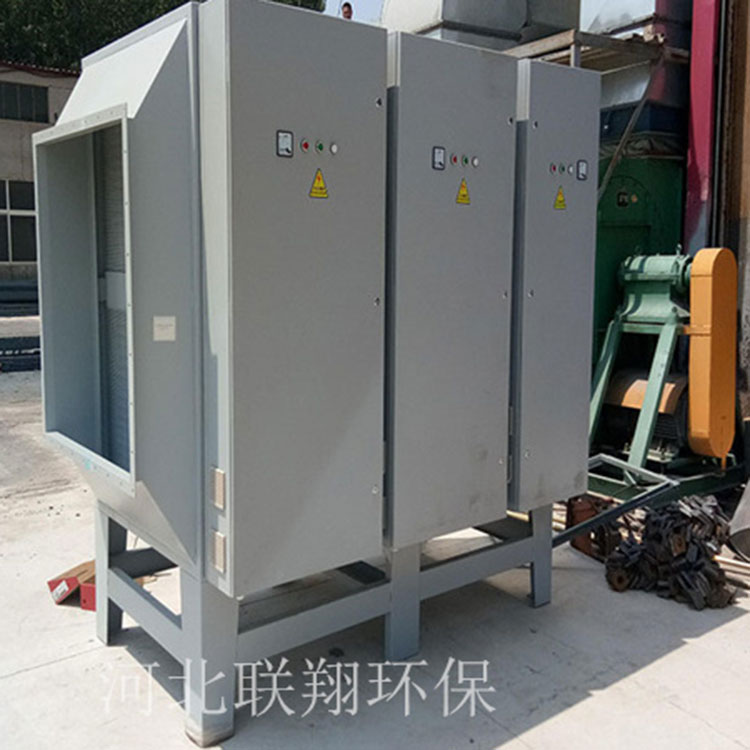
Our main environmental protection equipment includes paint booths, sandblasti...


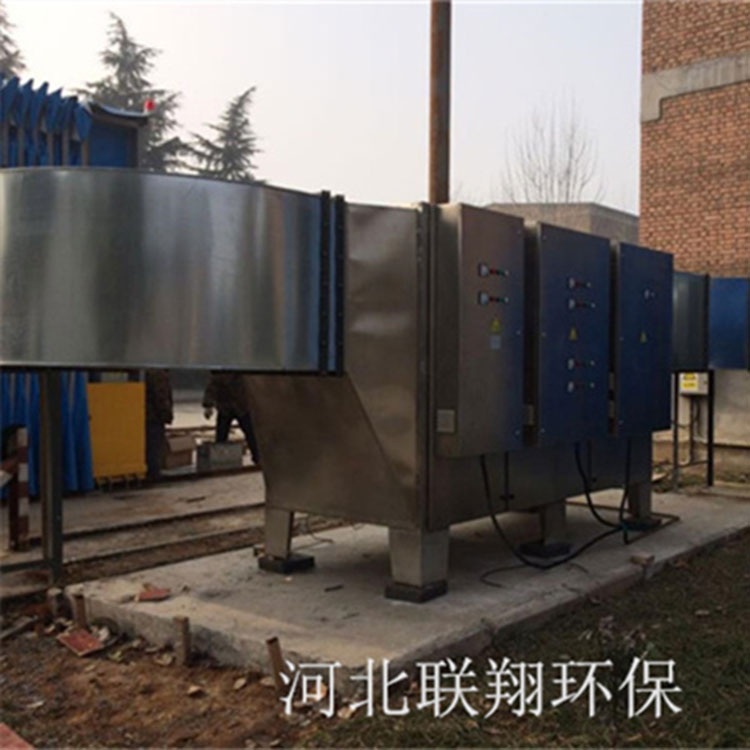
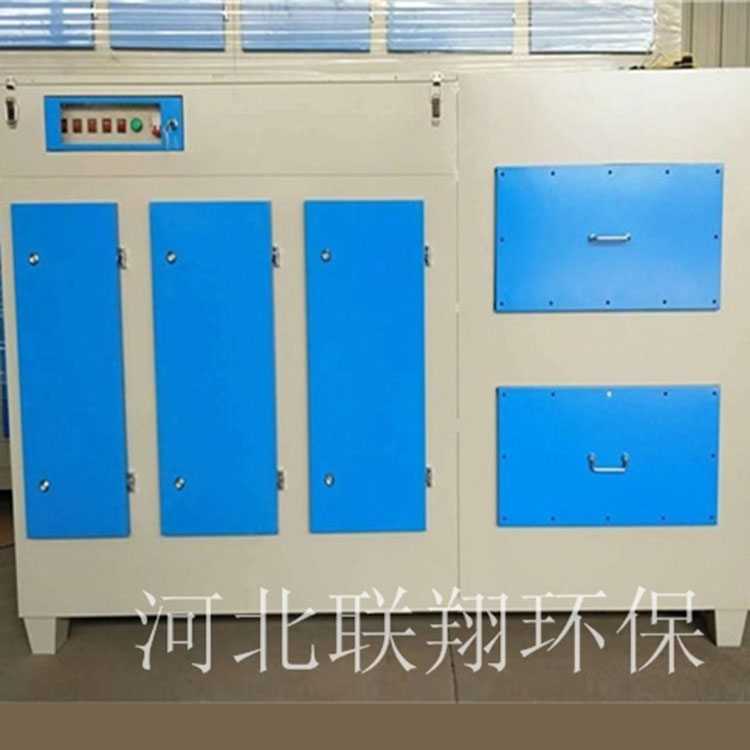
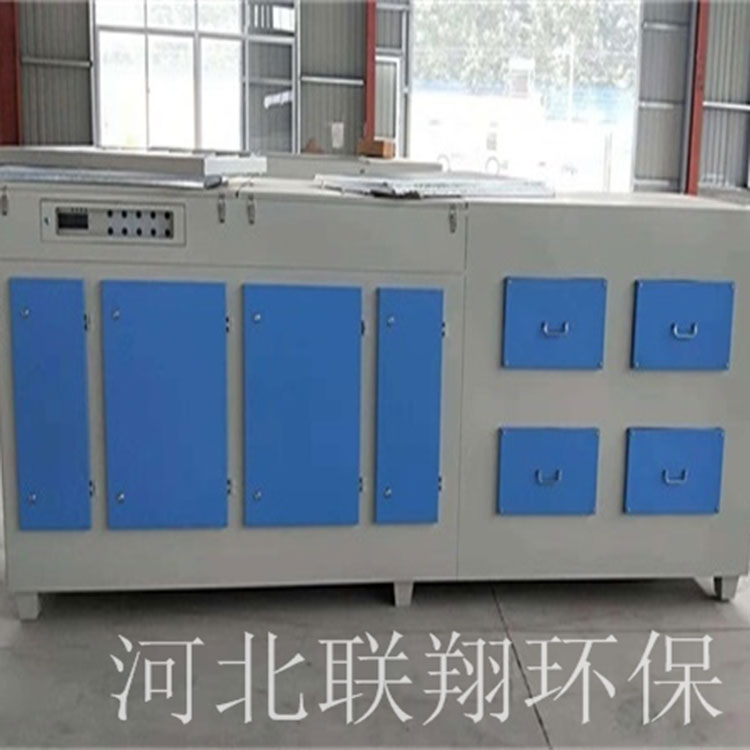
产品Price Negotiable
最小起订Quantity:1 Tai 供货总Quantity: 999 Tai


Custom Processing & Tailoring |
|
Handle concentration |
500 |
Applicable Fields |
Industrial Waste Gas Odor Treatment |
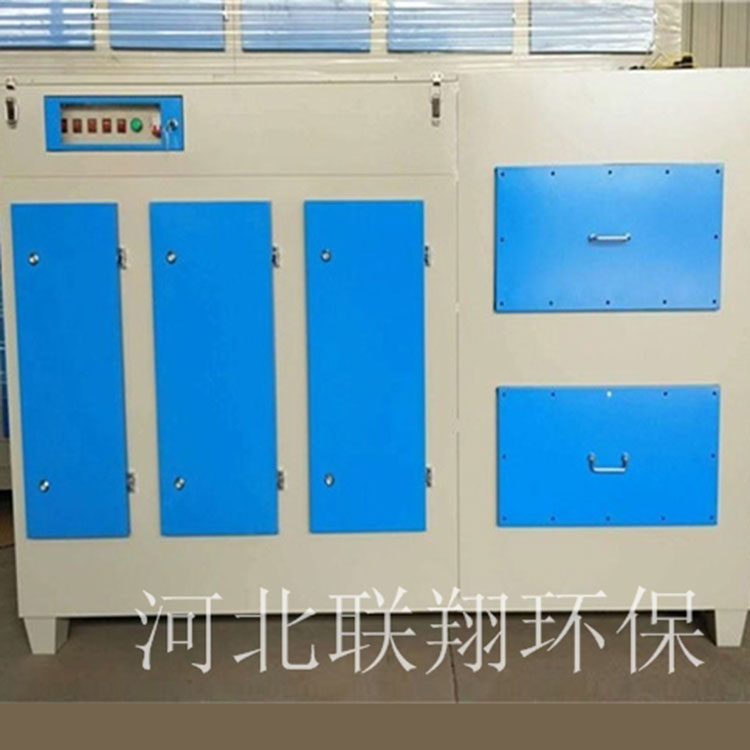
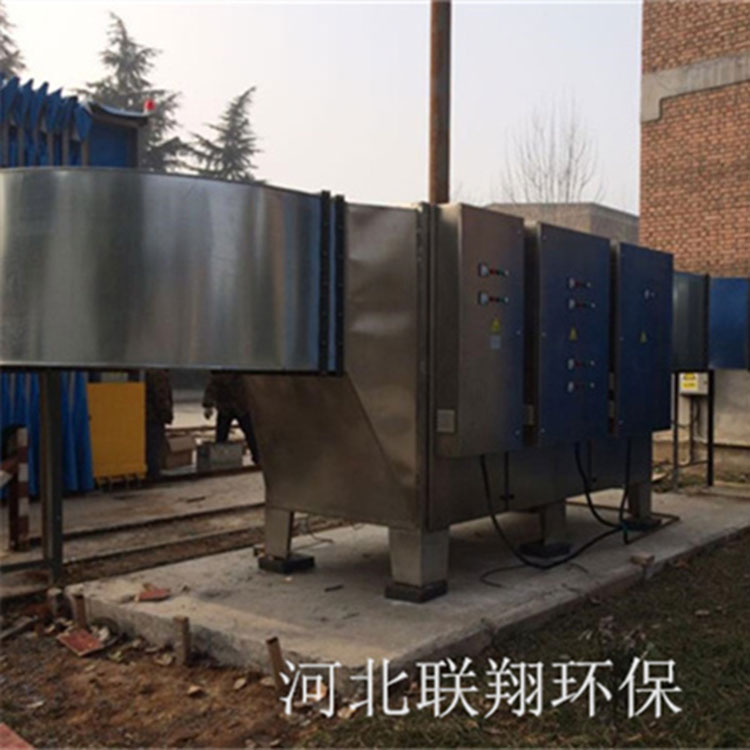
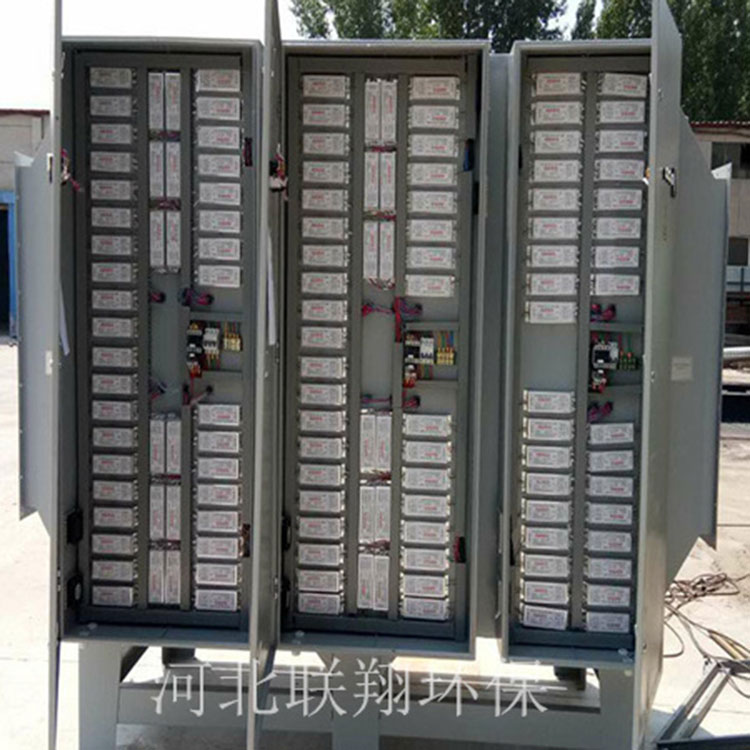
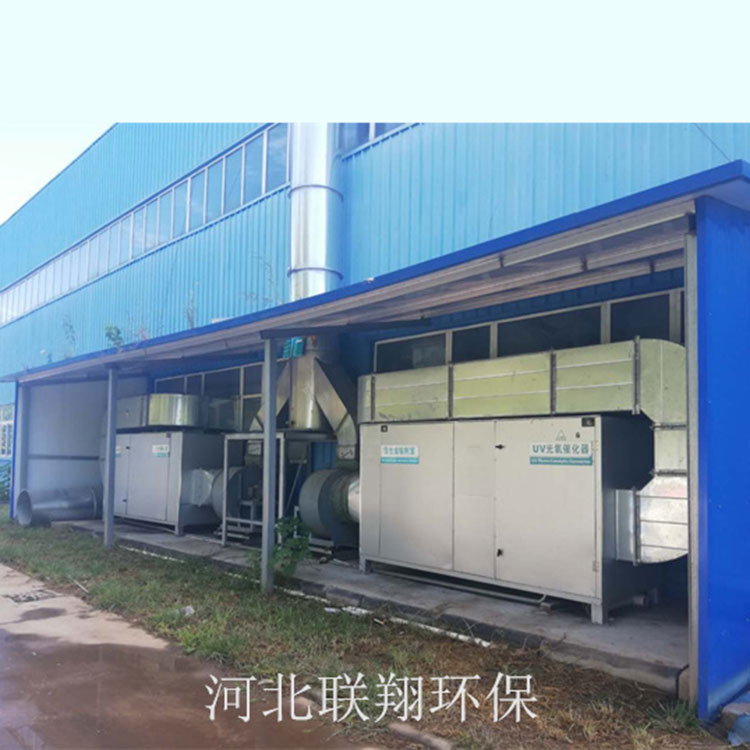
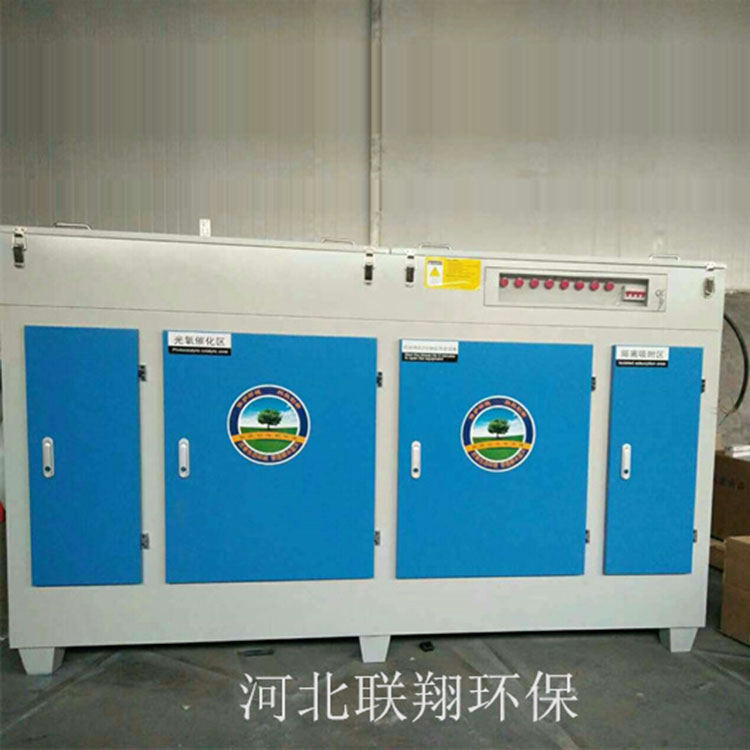
Operation Principle of the Equipment: 1. Plasma is known as the fourth state of matter, composed of electrons, ions, free radicals, and neutral particles. The low-temperature plasma purifier utilizes plasma to repeatedly strike the molecules of malodorous gases at a speed of up to 3 million to 50 million times per second, removing, ionizing, and cracking down various components of the exhaust, thereby triggering a series of complex chemical reactions such as oxidation. After multi-stage purification, harmful substances are converted into clean air and released back into nature. 2. Utilizing a high-voltage generator to form low-temperature plasma, under the influence of a large number of electrons with an average energy of about 5eV, organic waste gas molecules such as benzene, toluene, and xylene passing through the purifier are converted into various active particles. These particles combine with atmospheric oxygen to produce harmless substances like H2O and CO2, thereby purifying the waste gas. Long-term research has found that when chemicals absorb energy (thermal, photon, or ionization), their chemical properties become more active and can even be broken down. When the absorbed energy exceeds the chemical bond energy, the chemical bonds can break, forming free, energetic atoms or groups. Under the action of electrons with energy levels of 8-11eV (3500KJ/mol-1600KJ/mol), the oxygen in the air is broken down, then recombined to produce ozone. On the other hand, the chemical bonds of pollutants are broken, forming free atoms or groups. The produced ozone also participates in the reaction process, ultimately breaking down the waste gas and oxidizing it into simple, stable compounds like CO2, H2O, and N2. 3. Utilizing high-energy UV ozone light beams to decompose oxygen molecules in the air, producing free oxygen, or reactive oxygen species. Due to the unbalanced positive and negative electrons carried by the free oxygen, it needs to combine with oxygen molecules to generate ozone. UV O2 → O- O* (reactive oxygen) + O + O2 → O3 (ozone). As widely known, ozone has a strong oxidizing effect on organic matter and can eliminate odors almost instantly. Organic gases, after being introduced into this purification equipment via exhaust ventilation, are subjected to a synergistic decomposition and oxidation reaction using high-energy UV light beams and ozone. This process breaks down the organic gas substances into low-molecular-weight compounds, water, and carbon dioxide, which are then expelled outdoors through the exhaust ducts. 4. The catalyst (titanium dioxide) generates highly reactive superoxide anion radicals and hydroxyl radicals when exposed to ultraviolet light, attacking organic matter and achieving the degradation of organic substances. Titanium dioxide is a non-leachable material; while effectively decomposing organic pollutants and sterilizing, it does not decompose or leach itself. It has a long-lasting photocatalytic effect, as well as enduring sterilization and pollution degradation.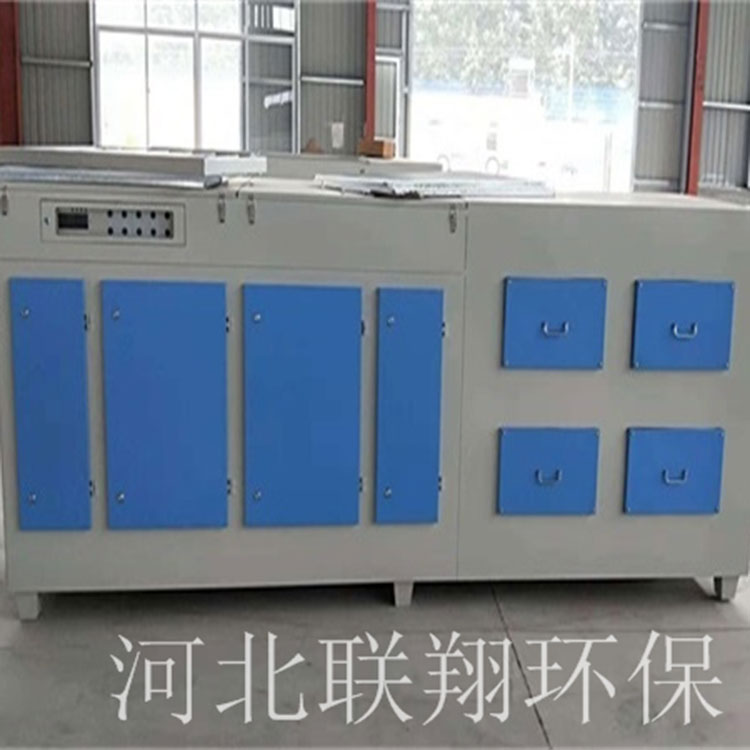

Phone Consultation