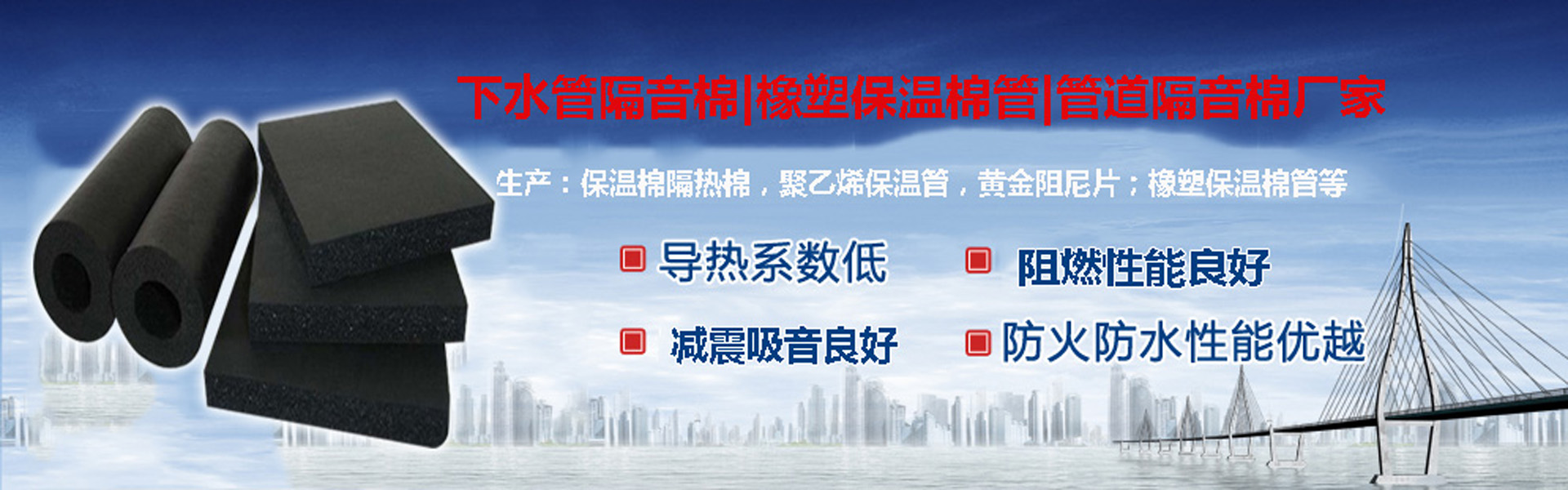
Polyurethane thermal insulation boards feature excellent fire resistance properties. They are classified as B1 flame-retardant materials, with a service temperature range of -50℃ to 110℃.
Our橡塑保温板 is environmentally friendly, producing no waste gases, wastewater, waste residues, smoke, or fire, and meets the ISO 14000 international environmental certification standards.
Our rubber-plastic sheets are easy to install and aesthetically pleasing: thanks to their flexibility, installation is simple. Pipe installation: you can install them together after slipping them on, or cut the pipe lengthwise and then bond them with aluminum foil tape. For complex components like valves, tees, elbows, etc., you can cut the sheets to shape and wrap them for bonding, ensuring the entire system's tightness and maintaining its insulating properties. Additionally, due to the smooth and flat surface resembling rubber and the material's superior performance, a vapor barrier or protective layer is not required, reducing construction hassle and maintaining an attractive, flat appearance. When equipment or pipes are serviced, the peeled-off material can be reused without any change in performance.
Foam and rubber thermal insulation board agents, installation standards for foam and rubber thermal insulation board

Thermoplastic board and thermal insulation boards feature a low thermal conductivity coefficient, averaging 0.034 W/mK at 0℃. They also have a high surface heat transfer coefficient, reaching 9.5 W/M2k. Consequently, in the same environmental conditions, their usage thickness is more than half thinner than other insulation materials, saving space above the ceiling, thereby increasing the usable floor space.
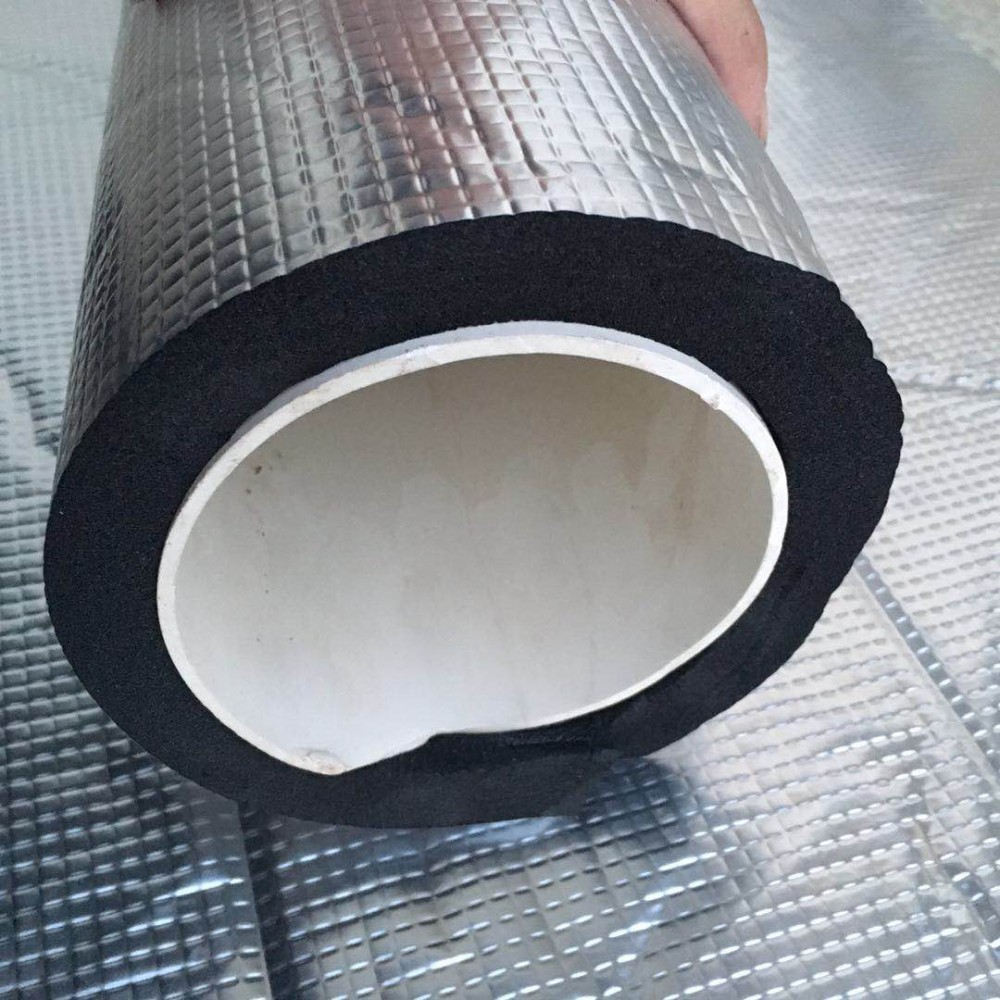
Our rubber and plastic thermal insulation boards are extremely safe to use; they do not irritate the skin or harm health. They prevent mold growth, protect against pest or rodent chewing, and are acid and alkali resistant, offering excellent performance. These features make them the ideal thermal insulation material for protecting pipelines, preventing corrosion due to atmospheric media or industrial environments.
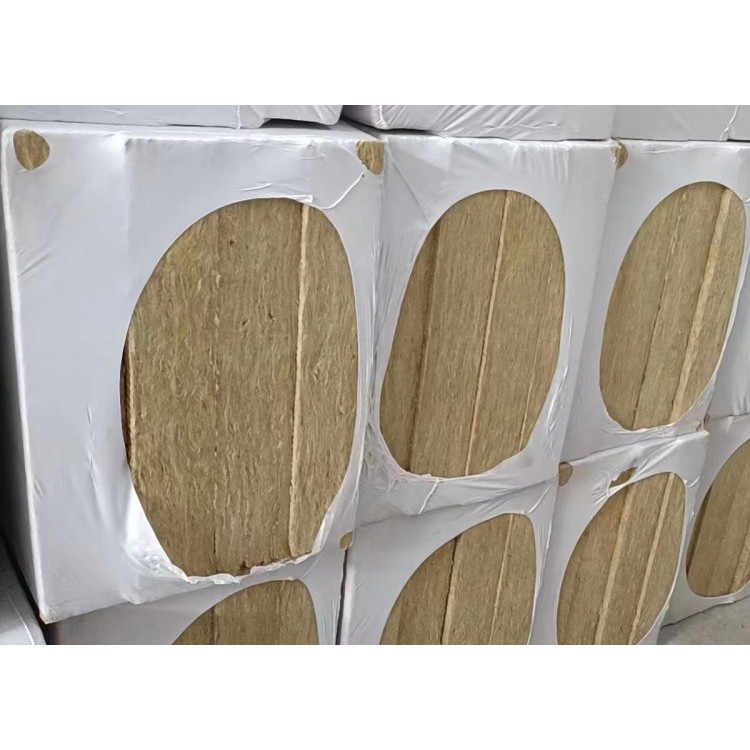 Insulated and soundproof rock wool panels with foil-faced rock wool boards
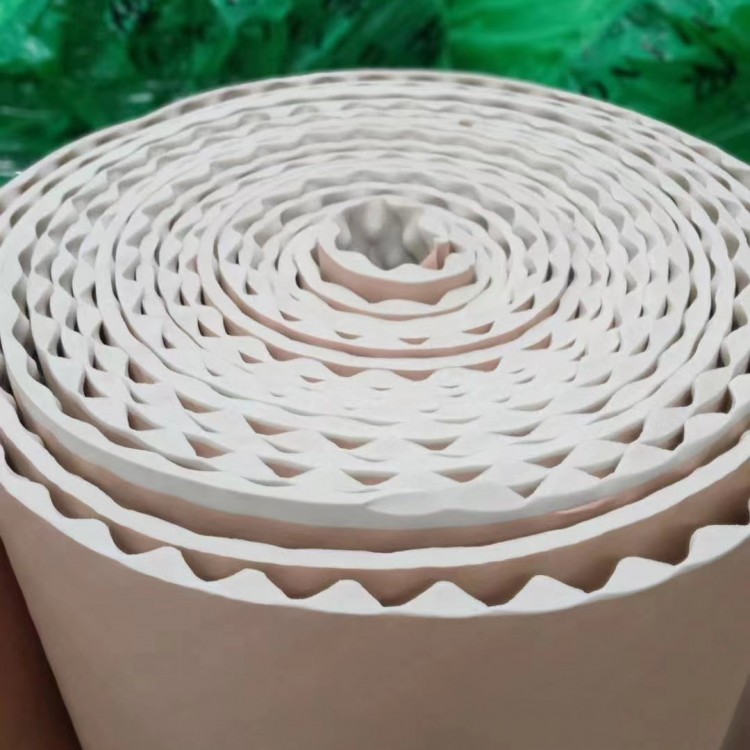 B1 flame-retardant rubber and plastic sound-absorbing cotton manufacturer supply
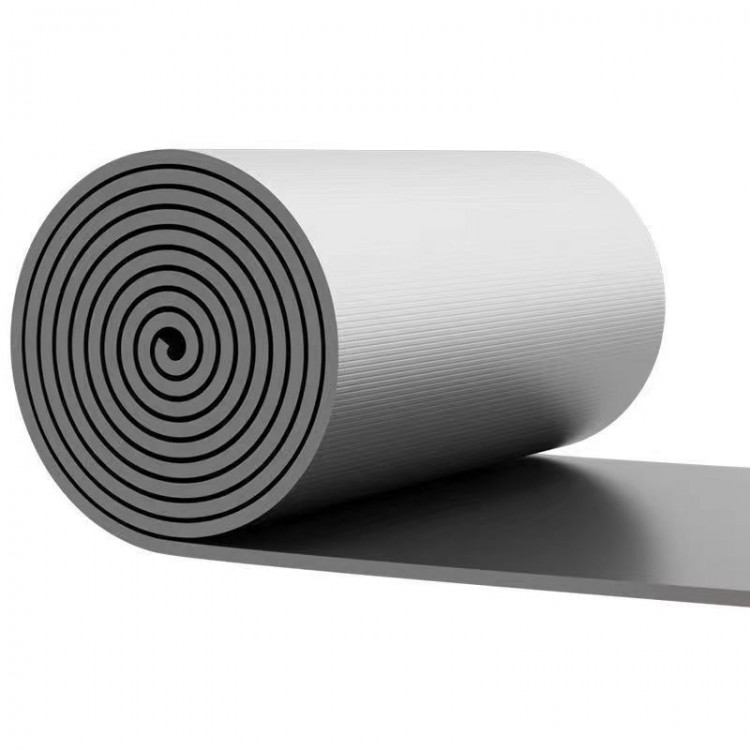 Fire-retardant self-adhesive rubber insulation board

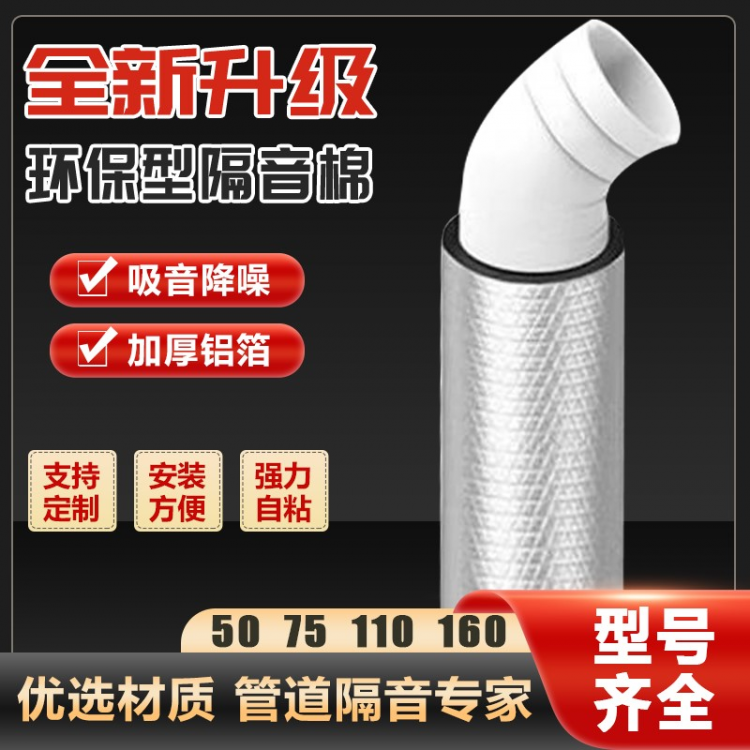
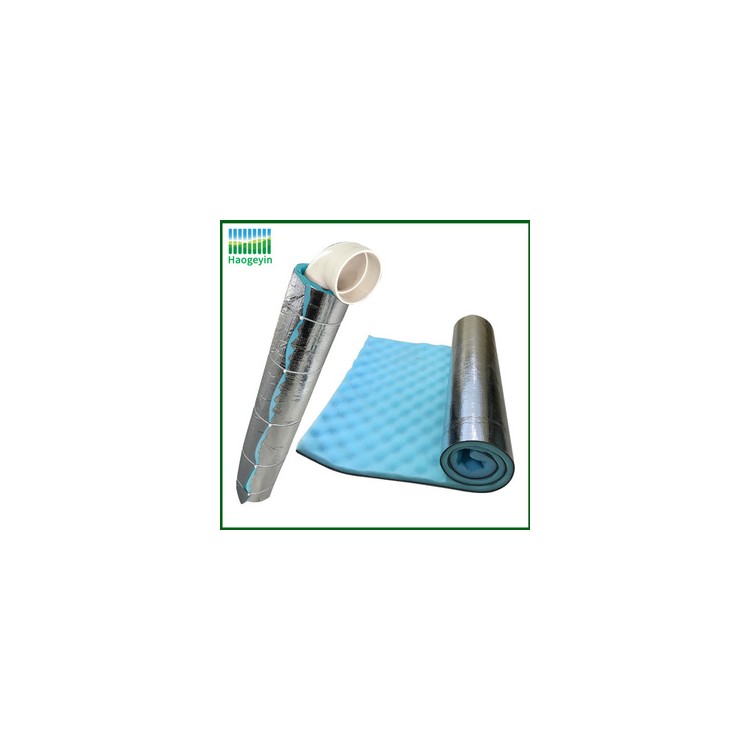 Soundproofing and noise reduction interior plumbing pipes, factory stock available
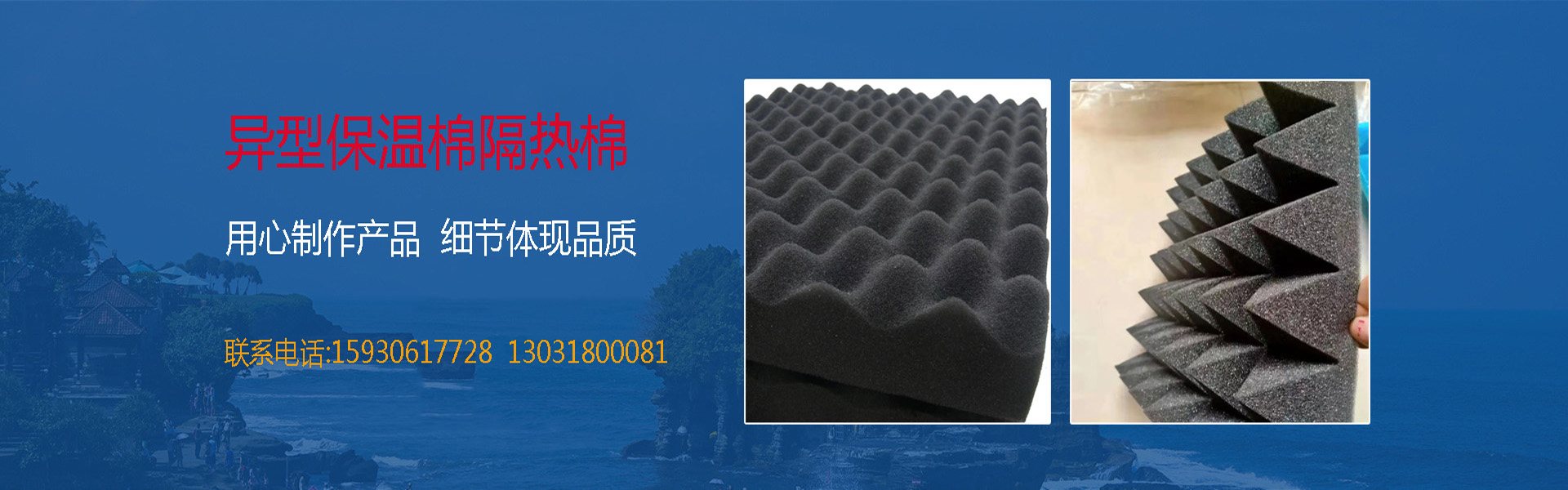
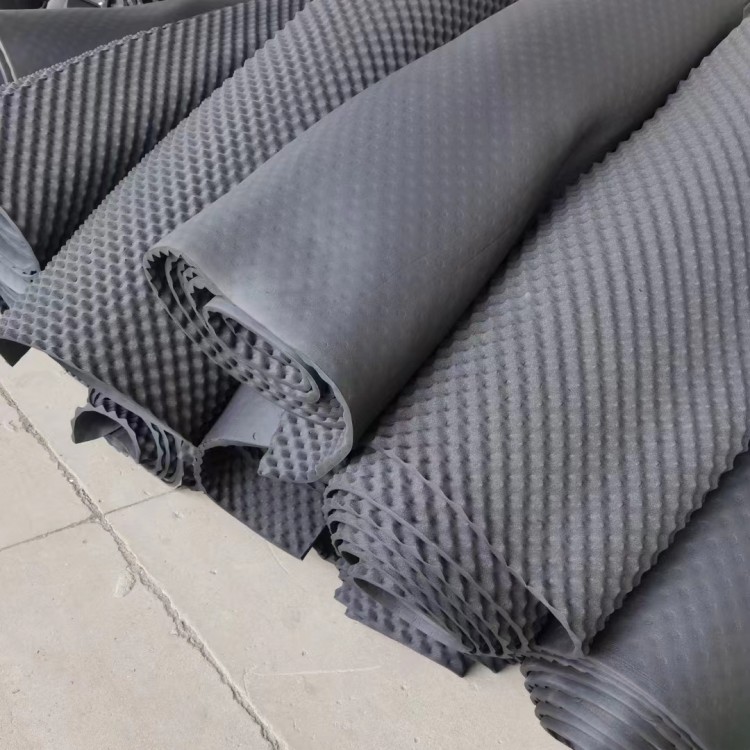 Wavy Sound Absorbing Foam Egg Soundproofing棉
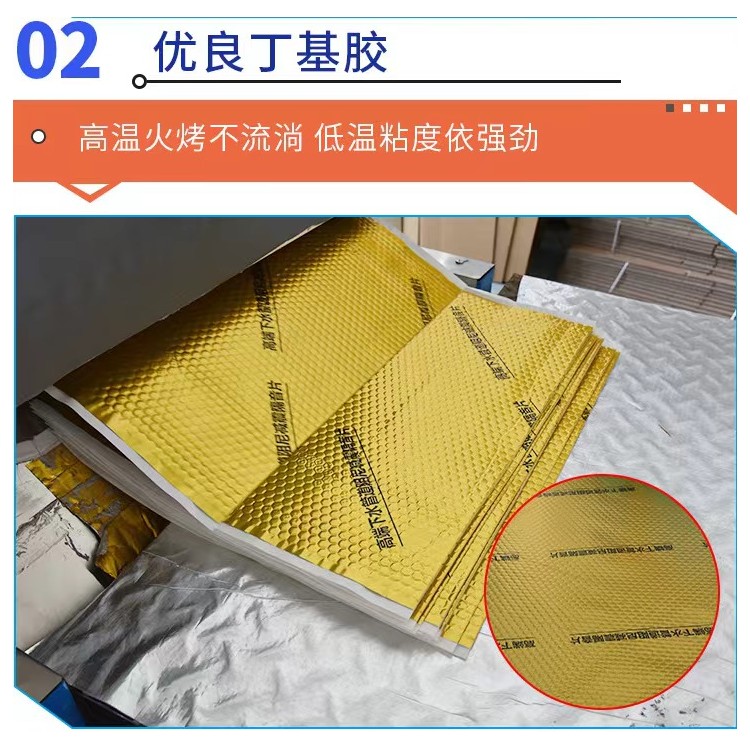 Gold vibration damping and noise reduction pads
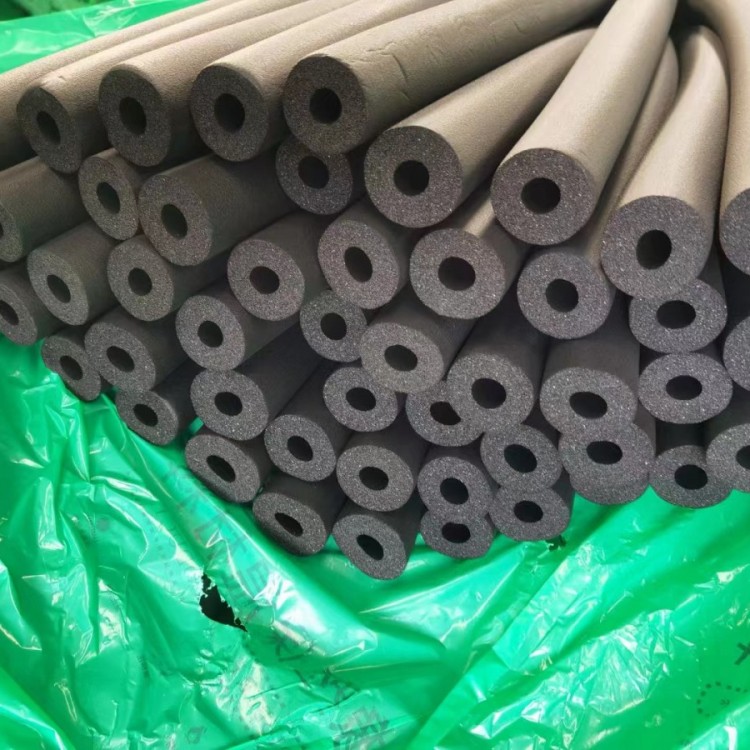 Open-Ended Self-Adhesive Rubber Foam Insulation Pipe