




The components of the highway logistics transportation system mainly include transportation vehicles, transportation nodes, and transportation routes.
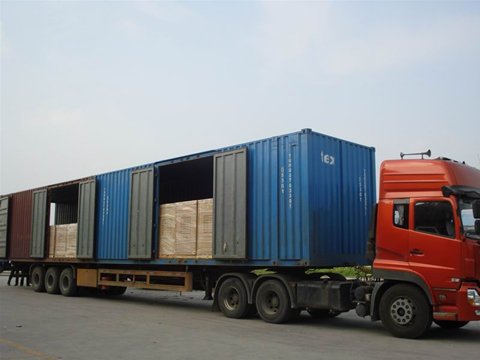
Highway logistics transportation vehicles.
Highway logistics transportation vehicles mainly include three categories: automobiles, trailers, and articulated vehicles. An automobile is a non-rail vehicle propelled by power, featuring four or more wheels, primarily used for carrying people or goods and for towing vehicles that carry people or goods. This book discusses only vehicles used for transporting goods or towing goods, i.e., trucks. A trailer is a road vehicle without power that must be towed by an automobile to be used properly. An articulated vehicle is a combination of a truck and one (or more) trailer.
(2) Transportation Nodes.
Transportation nodes, also known as transportation hubs, are comprehensive operational sites that rely on their locations to provide paid services to society. These nodes offer a range of functions, including warehousing, storage, loading and unloading, information services, and cargo handling.
(3) Transportation Routes.
Transportation routes in road logistics and transportation refer to highways.
