



- AllProduct Category
-
Integrated System
Customized Applications
Optical Applications
Electrical Applications
Thermodynamics Applications


详情描述
Product Introduction
Non-contact measurement of 3D displacement field, 3D strain field, and 3D deformation field
Core Technology

Technical Specifications
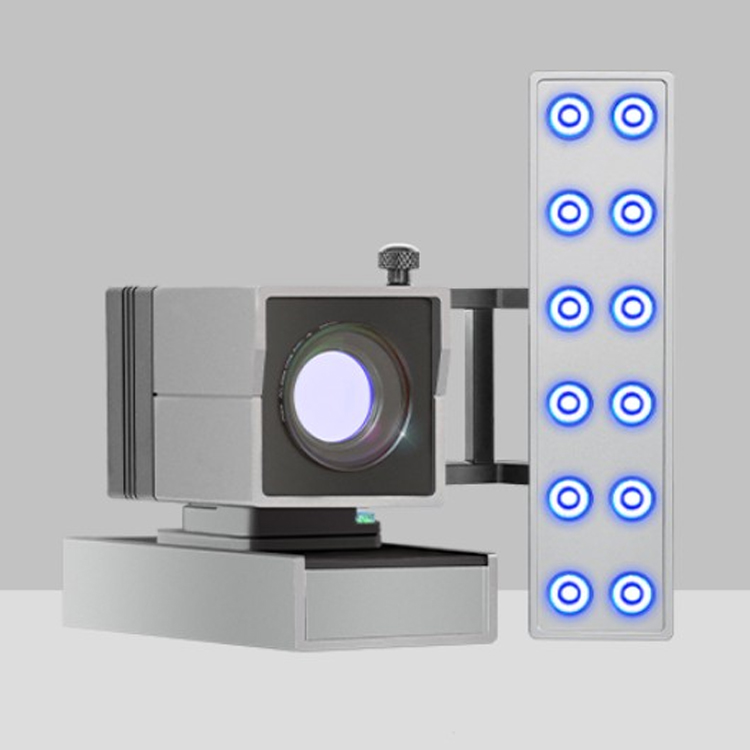
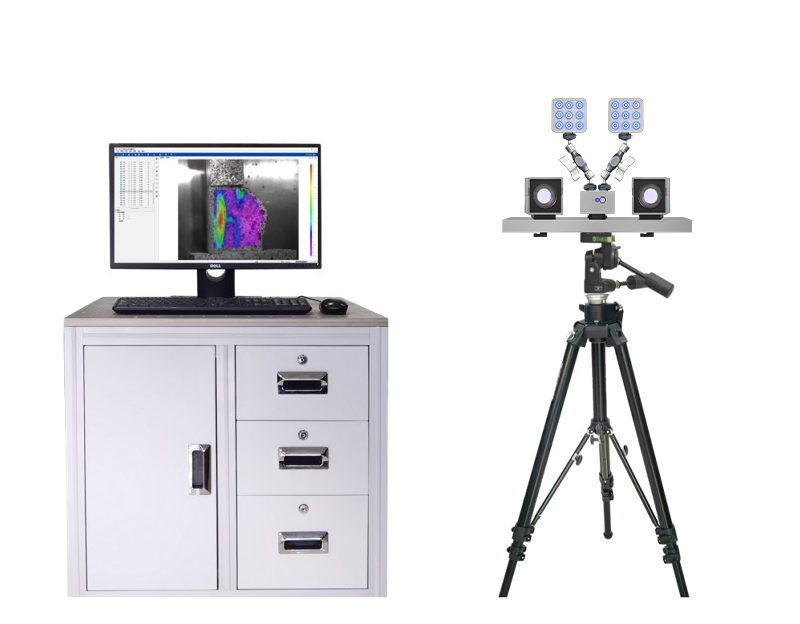
The Digital Speckle Three-Dimensional Full Field Strain Measurement System is a non-contact three-dimensional full field strain measurement system that employs the principle of Digital Image Correlation (DIC). It captures images using two industrial cameras, photographing the surface features of the specimen before and after deformation. By identifying the changes in the surface features of the measured object, it then calculates the corresponding coordinate changes of each pixel in the images through three-dimensional reconstruction and digital image correlation algorithms, thus obtaining the 3D displacement field, 3D strain field, and 3D deformation field data during the process.
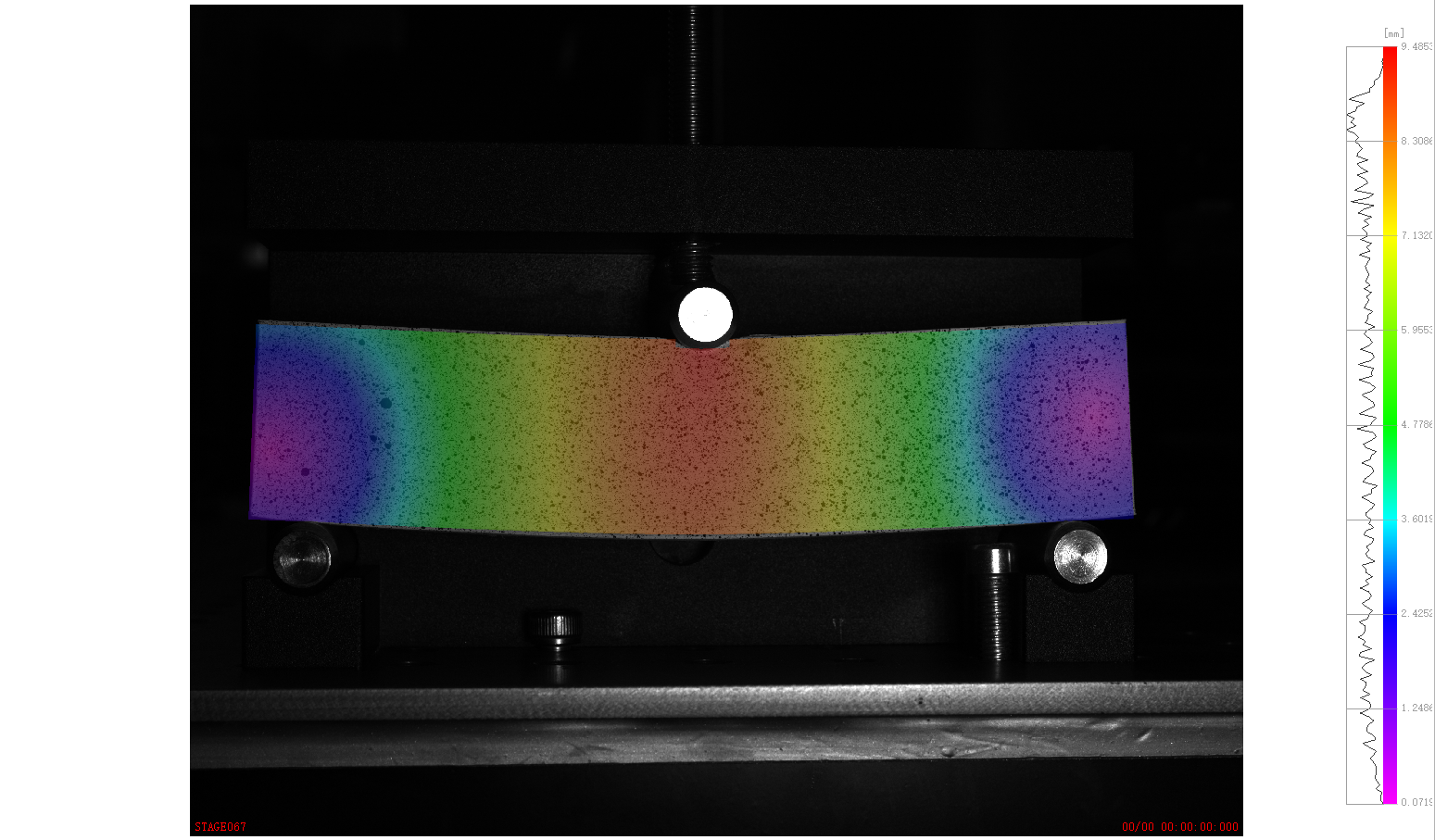
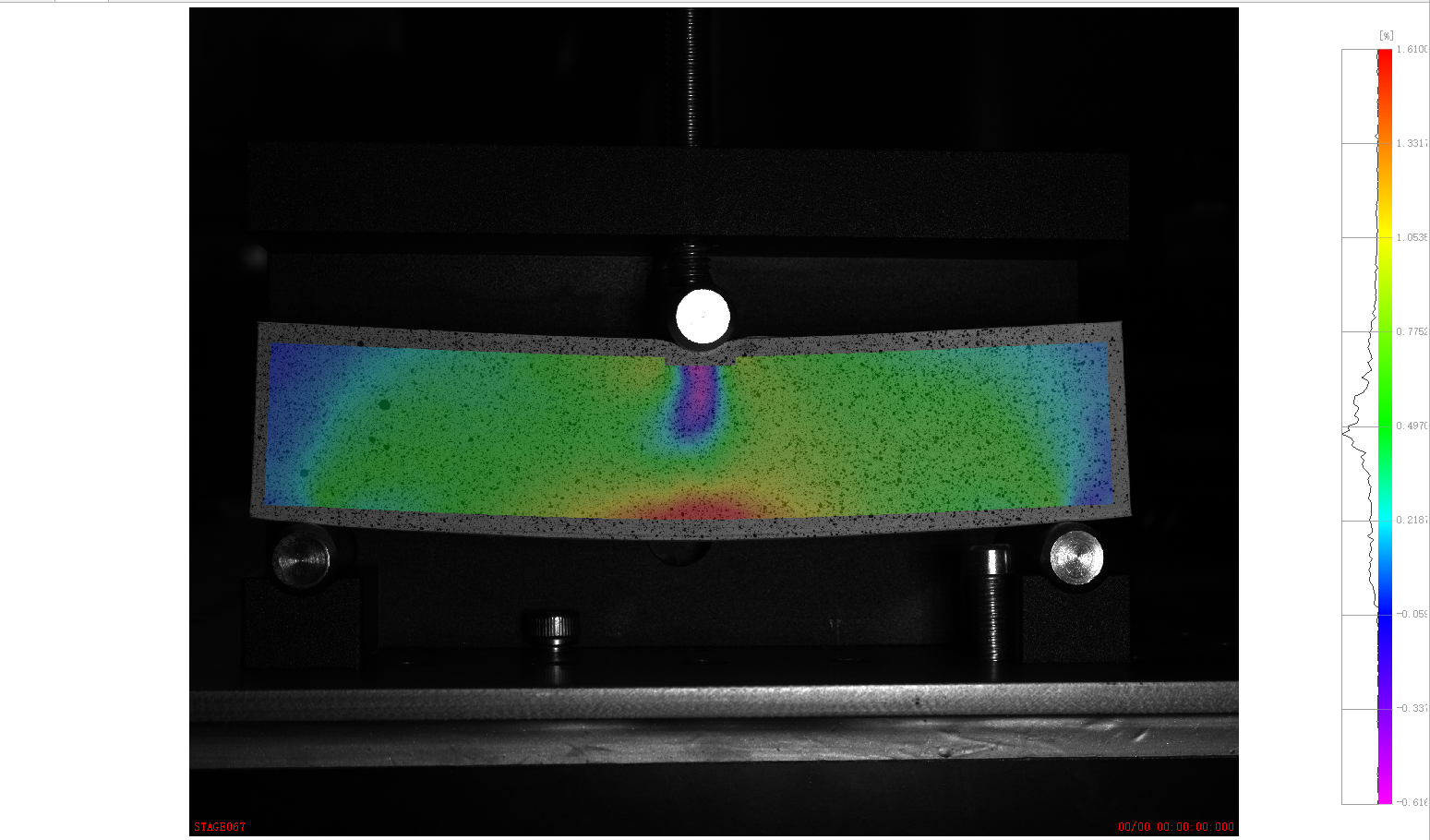
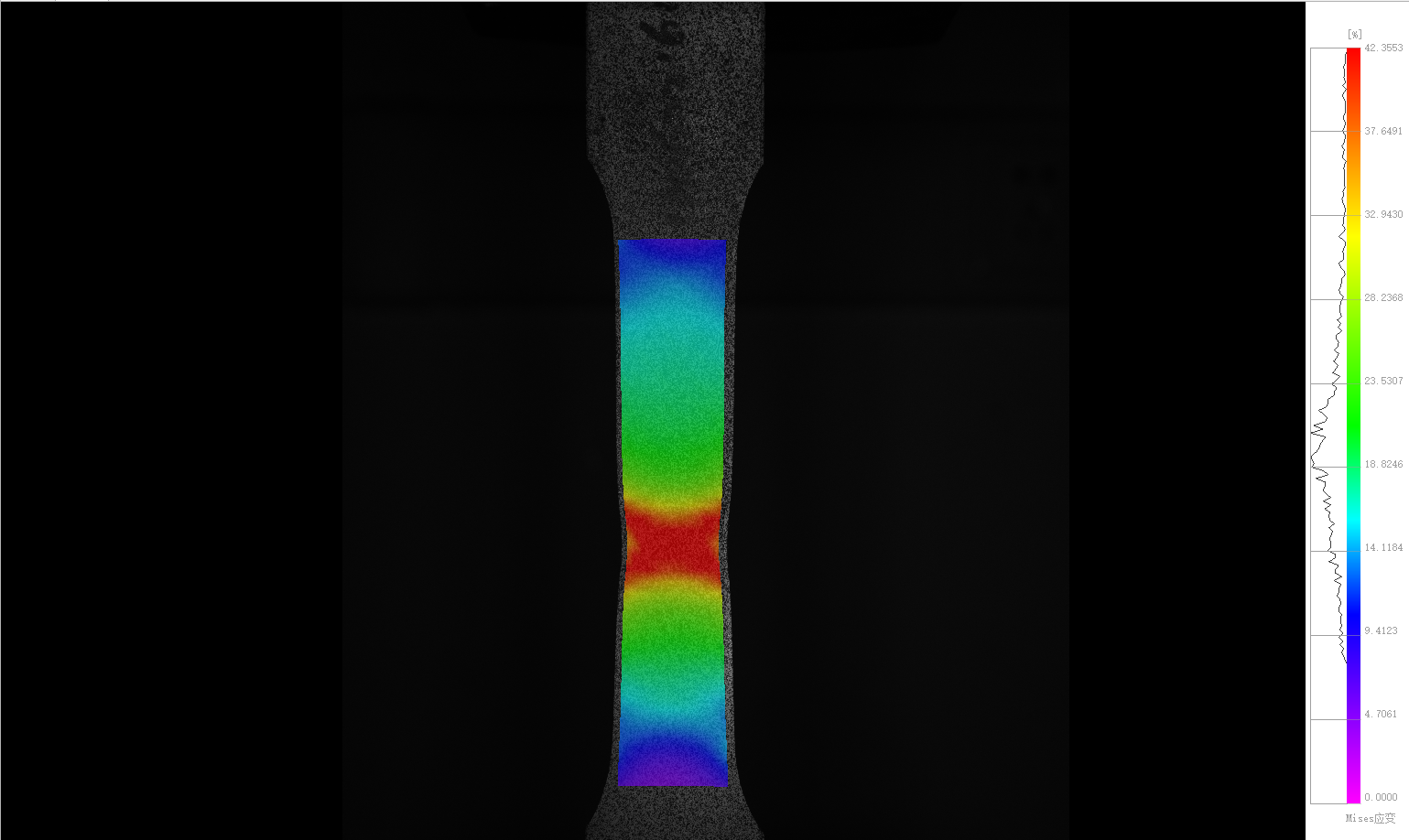
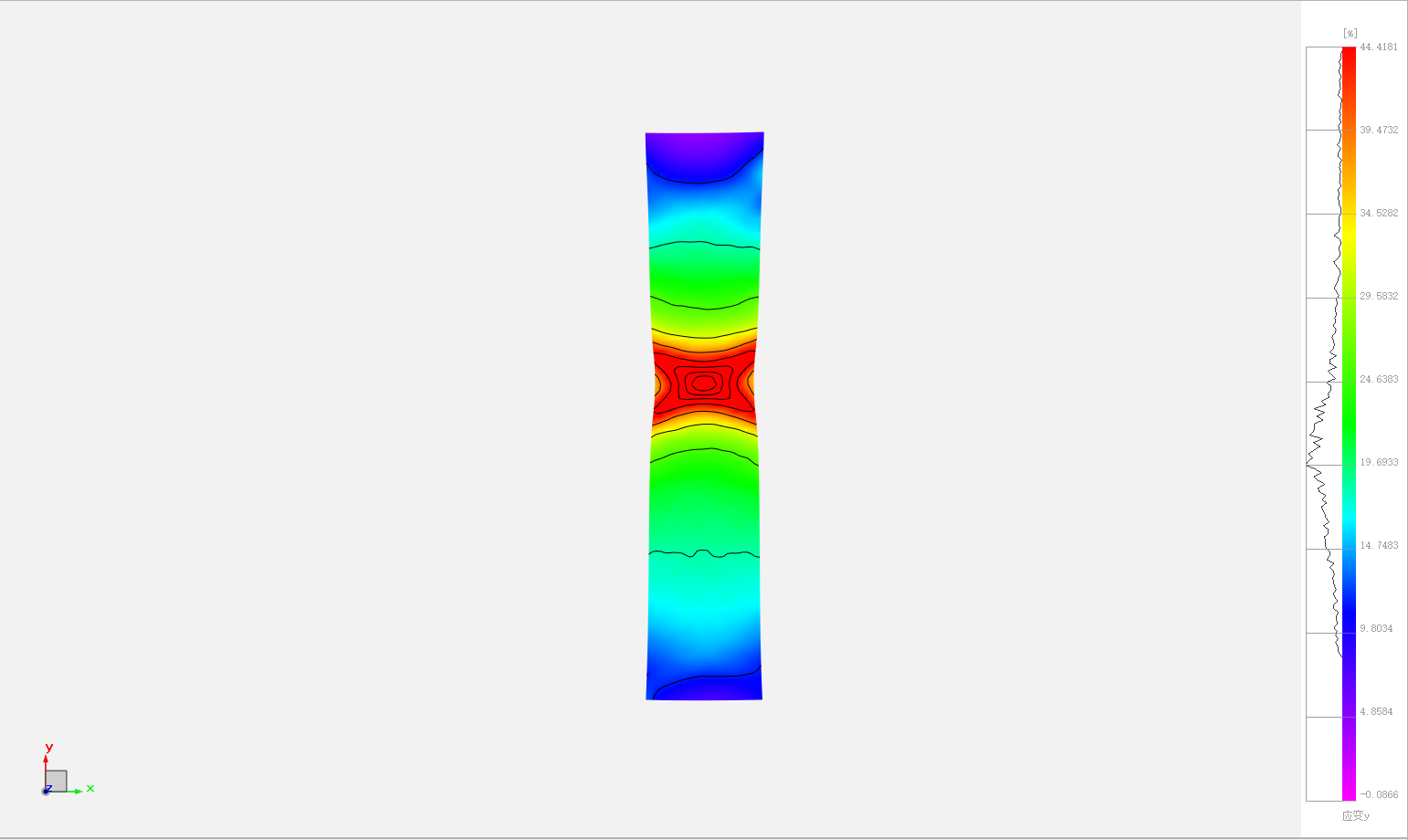
The Digital Speckle Shear Strain Measurement System is suitable for testing the mechanical properties of materials and specimens under various static and dynamic conditions, as well as for dynamic displacement and trajectory tracking tests. The system provides measurement results including data, charts, and cloud maps, which can visually and clearly reflect the displacement, deformation, and strain changes of the measured objects, facilitating relevant research work.
Measurement Principle
Digital speckle three-dimensional full-field strain measurement system, utilizing the basic principle of Digital Image Correlation (DIC) algorithm. The DIC algorithm was initially independently developed by researchers in Japan and the United States in the 1980s. Its fundamental principle is to obtain the displacement vector of a pixel point by tracking (or matching) its position in two speckle images before and after the deformation of an object surface, thereby obtaining the full-field displacement of the specimen surface. Firstly, the imaging surface of the specimen must have a random speckle pattern that can reflect deformation information (if the original specimen lacks random speckles, the specimen must be processed to form speckles). Then, during the experiment, images of the specimen surface before and after loading are collected and stored in the computer. Finally, using software programs and relevant algorithms, the displacement, strain, and deformation information of the specimen surface are obtained.
System Advantages
The 3D Digital Speckle Full-Field Strain Testing System offers significant advantages over traditional methods such as extensometers, strain gauges, and sensors. The system is extremely easy to use, with minimal operating requirements, high displacement strain measurement accuracy, wide applicability in experiments, low long-term operating costs, and non-contact measurement to avoid affecting accuracy after contacting the specimen. The system collects full-field 3D data. Utilizing the 3D Digital Speckle Full-Field Strain Testing System allows for better and faster mechanical property testing, displacement trajectory analysis, vibration testing, and deformation observation in scientific research.
Non-contact measurement: Avoid additional influences from contact measurement methods
B. Full-process Tracking: Sample fracture does not damage the measuring device, allowing full-process tracing
C. Repeatable Traceability: Retain original images, allowing for repeated traceability calculations across different regions.
D. Diverse scenarios: Suitable for large deformation, minor deformation, high and low temperatures, etc.
E. Minimal specimen restrictions: Essentially unlimited, capable of testing specimens of various sizes and materials
Wide range of strain measurement: measurable strain range from 0.002% to greater than 2000%
G. Long-term low cost: reusable, expandable for other experiments, low cost over time
H. Simpler Operation: Half a day of training is sufficient to start operating, and one full day usually allows for proficiency
I. More comprehensive calculations: displacement, strain, deformation, Young's modulus, Poisson's ratio, 6DOF, etc.
Enhanced expandability: Communicates with testing machines, expandable FLD curve measurement, customizable
Application Scenarios
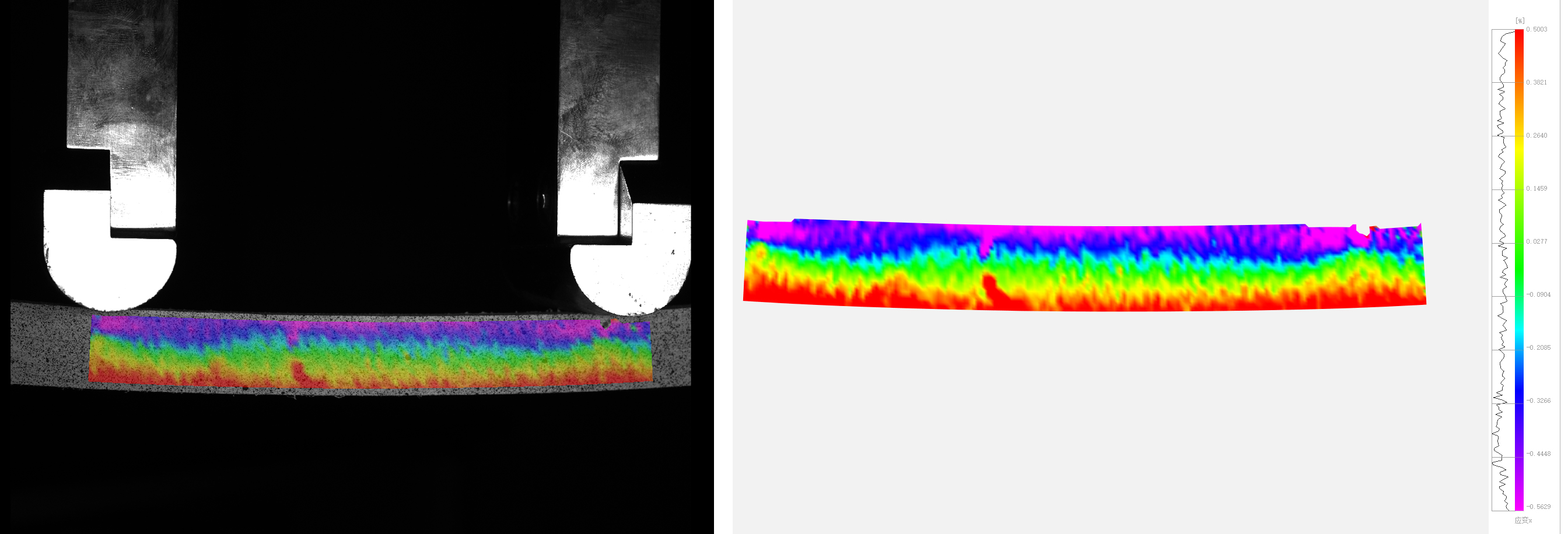
The 3D Digital Speckle Full-Field Strain Testing System is a non-contact optical measurement system with a simple optical path and low environmental requirements. For these reasons, it is widely used in various fields such as aerospace, automotive heavy industry, civil engineering, and bridge construction. The equipment is commonly used in numerous experiments, including routine material mechanical testing, high and low temperature material property testing, large specimen testing, ultra-small specimen testing, vibration table measurements, wind tunnel tests, displacement trajectory tracking testing, and full-field strain monitoring. Typical application scenarios include:
Routine Material Testing: Tensile, compression, and bending tests of standard specimens at room temperature
B. High and Low Temperature Performance Testing: Study of Material Mechanical Properties at High and Low Temperatures
C. Large Specimen Testing: Includes specimens with larger dimensions (such as several meters) or significant deformation
D. Ultra-small Sample Testing: Standard systems can measure around 5mm, while below 2mm, a microscope may be used.
E. Vibration-Related Tests: Such as seismic structural research, vibration table experiments, vibration modal analysis, etc.
Wind Tunnel-Related Experiments: Such as airplane wind tunnel, aerospace wind tunnel, and wind turbine blade wind tunnel testing, etc.
G. Displacement Path Tracking: such as bullet path, magazine path, blade path, etc. tracking
Model Configuration
The main model configurations of the Digital Speckle Three-Dimensional Full Field Strain Measurement System are as follows:



