
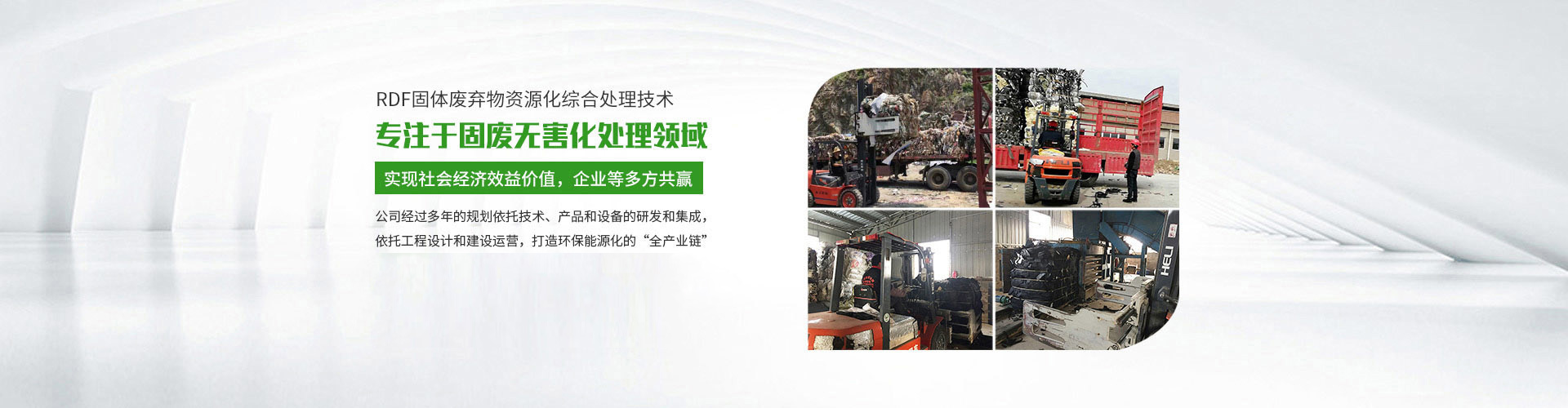
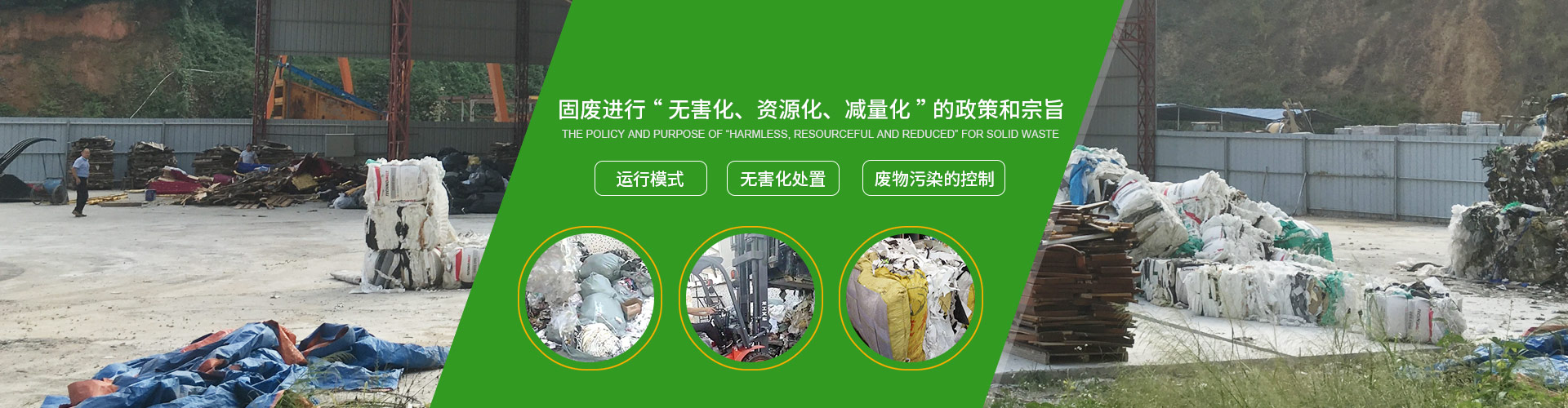




Waste Solid Management, also known as the treatment of solid waste, generally refers to the process of converting solid waste into a form suitable for transportation, storage, utilization, or disposal through physical, chemical, biological, physicochemical, and biochemical methods. The objectives of solid waste management are to render it harmless, reduce its volume, and recycle resources.

China's investment in solid waste treatment has historically accounted for a low percentage of the overall environmental investment, leading to a severe shortage of treatment facilities. The 12th Five-Year Plan is expected to mark a turning point, shifting investment levels from low to high, with the next five years entering a construction peak. During the 11th Five-Year Plan period, the total planned investment for the construction of non-hazardous solid waste treatment facilities nationwide was 862.9 billion yuan, averaging about 173 billion yuan annually. The total investment in solid waste treatment, including waste and industrial waste, was approximately 2.1 trillion yuan, with an annual growth rate of 18.5%. Waste treatment, with a growth rate of 25%, topped the list of environmental investment.
