
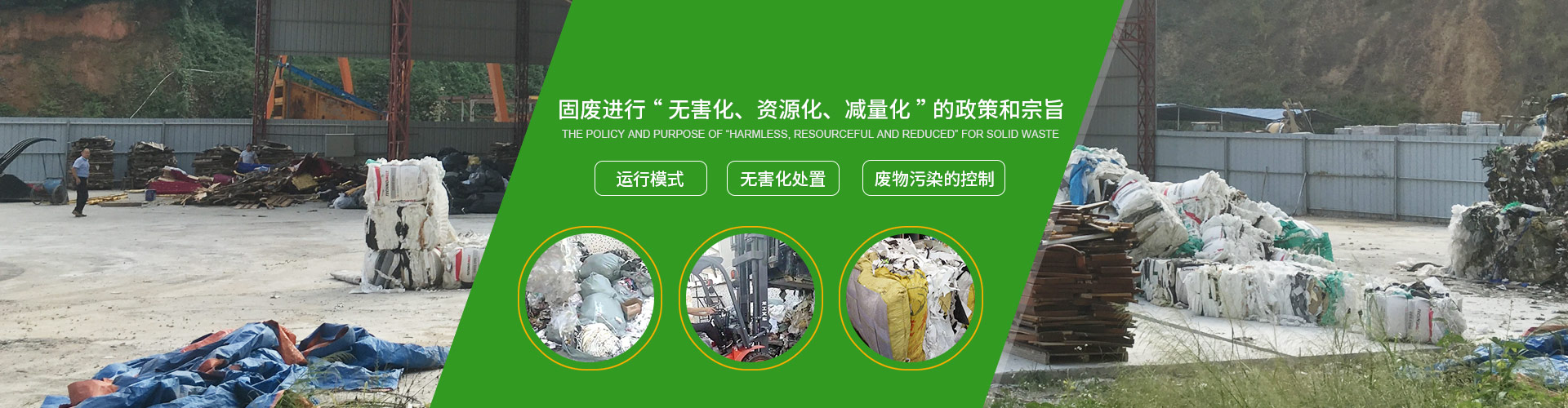


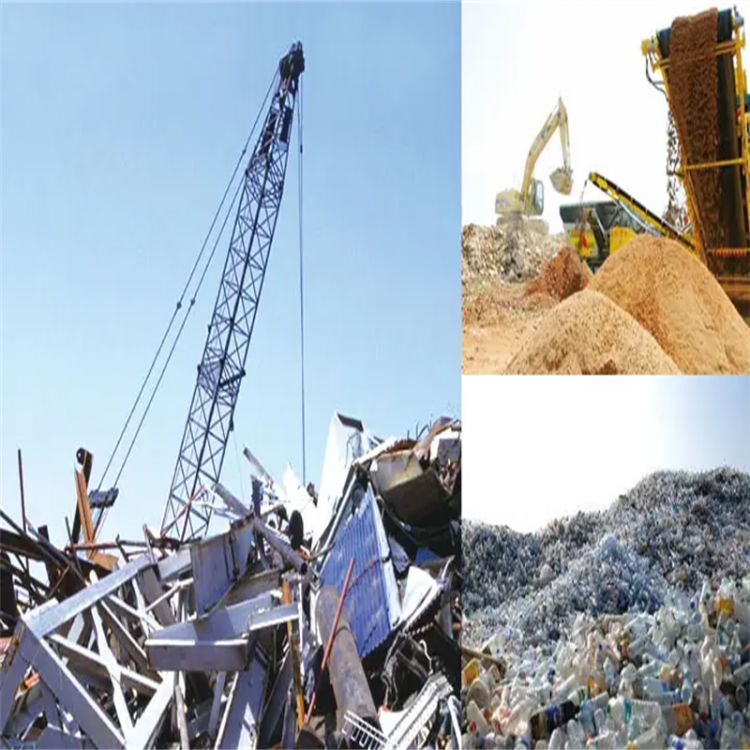
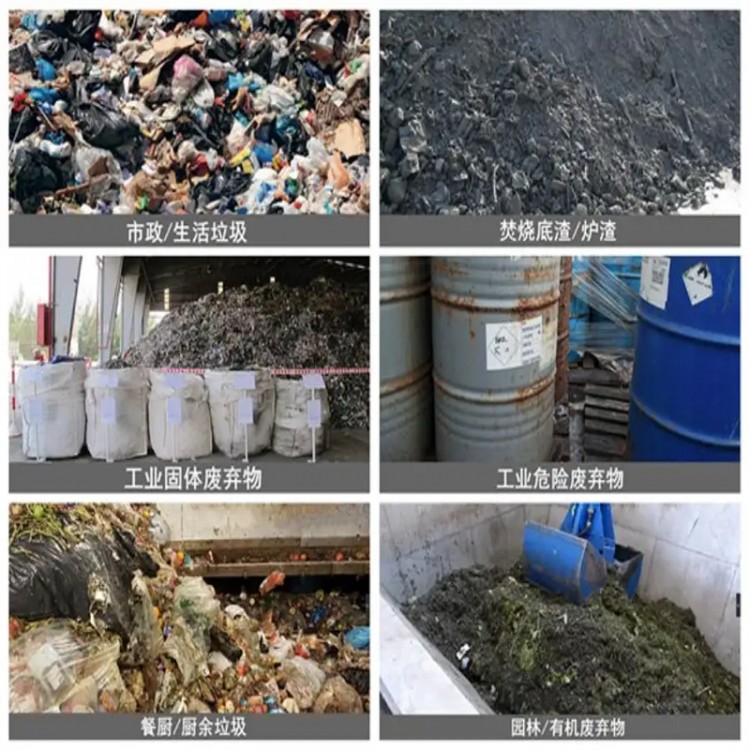
Solid waste treatment involves physical methods (such as crushing, compacting, drying, evaporation, incineration, etc.) or biochemical processes (such as oxidation, digestion, decomposition, absorption, etc.) and pyrolysis gasification to reduce volume and accelerate natural purification. It also refers to solid and sludge materials discarded by humans in production and daily life activities, including solid particles separated from wastewater and waste gases. However, regardless of the treatment method used, a certain amount of solid waste will remain, which requires proper disposal. Particularly, during waste treatment, efforts should be made to avoid secondary pollution, and toxic and harmful waste should be ensured not to pose harm to humans.