
- AllProduct Category
-
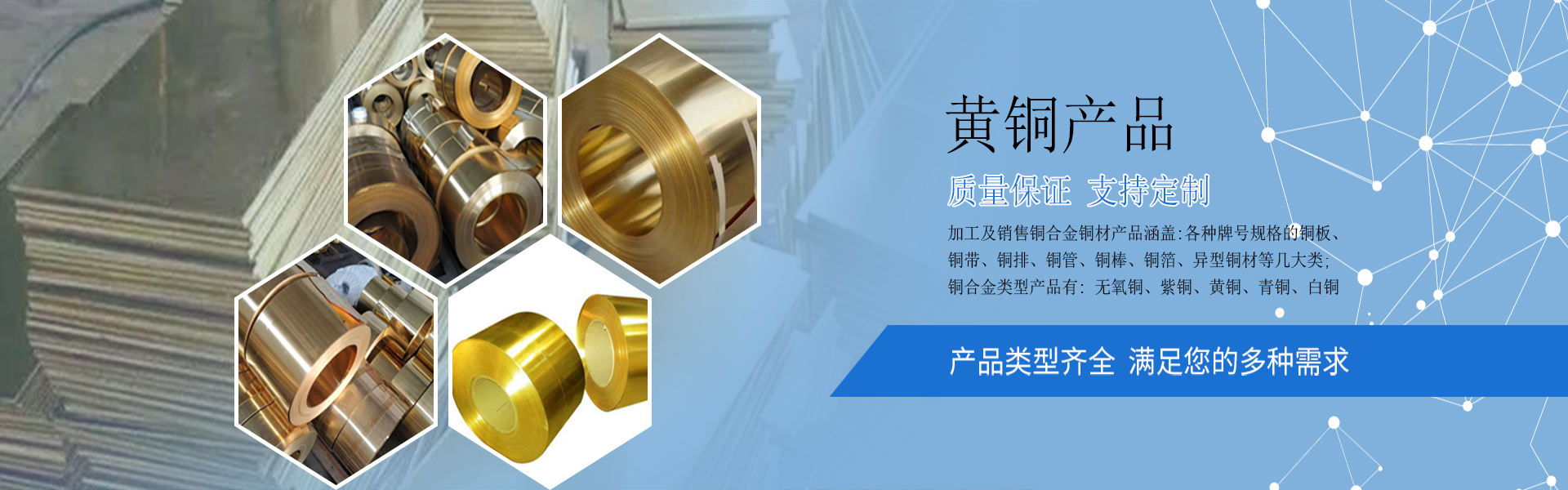
Brass Products
Brass Products
Brass Products
Brass Tube Coils
Lead Sheets
Lead Sheeting
Lead Rod



Recommended Products

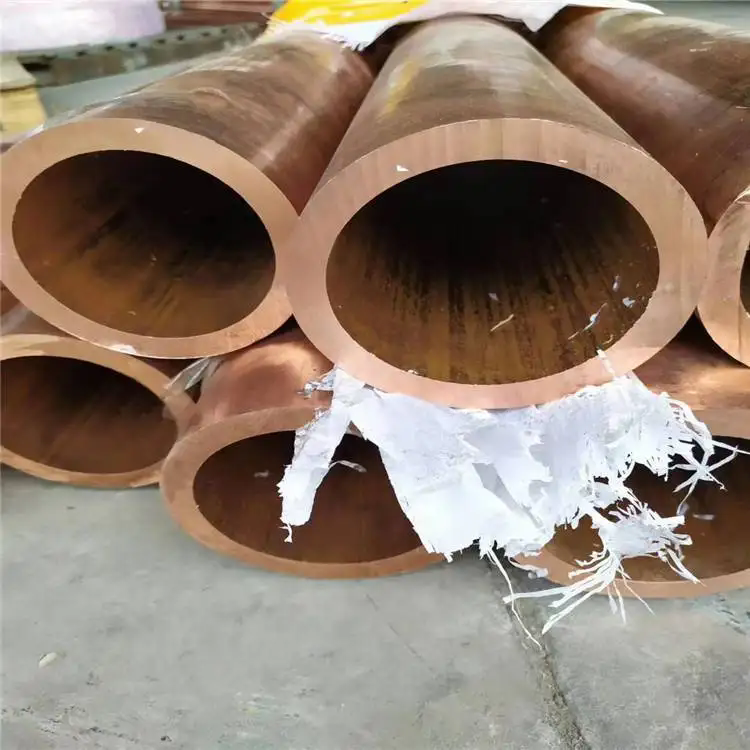
Copper tubes, oxygen-free copper rods, bronze rods, brass rods, lead brass rods, phosphor bronze rods
T2 Copper Bar, Copper Sheet, Grounding Conductive Tin Plated Copper Bar, Copper Rod

Copper Tube, Copper Strip, Copper Rod, Copper Plate
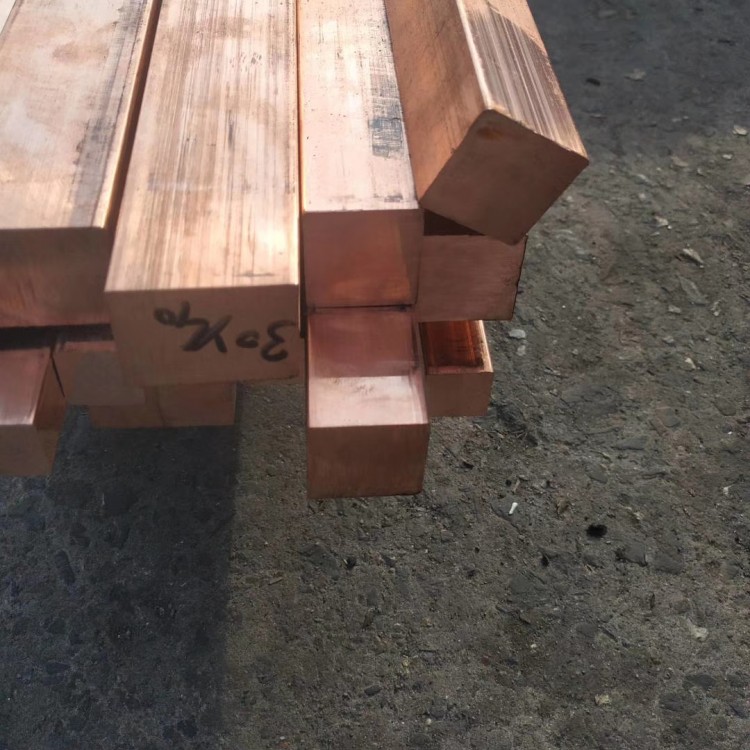
T2T3 Tin-plated Copper Busbars, TMY Grounding Copper Busbar, Copper Busbars for Switchgear Room, Copper Busbars for Distribution Panel Cabinet
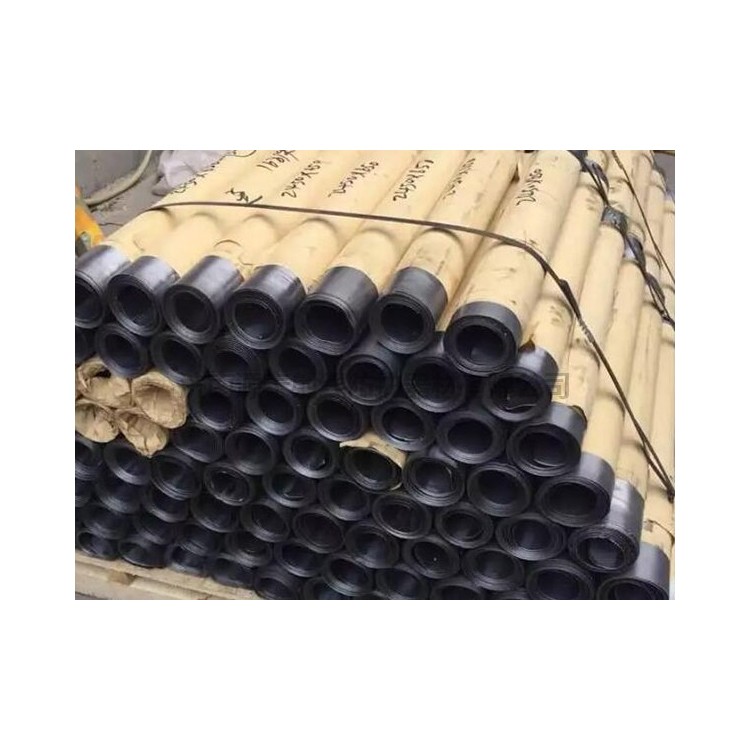
Lead Plate Material Introduction, Lead Plate Applications, Lead Plate Functions, Lead Plate Specifications
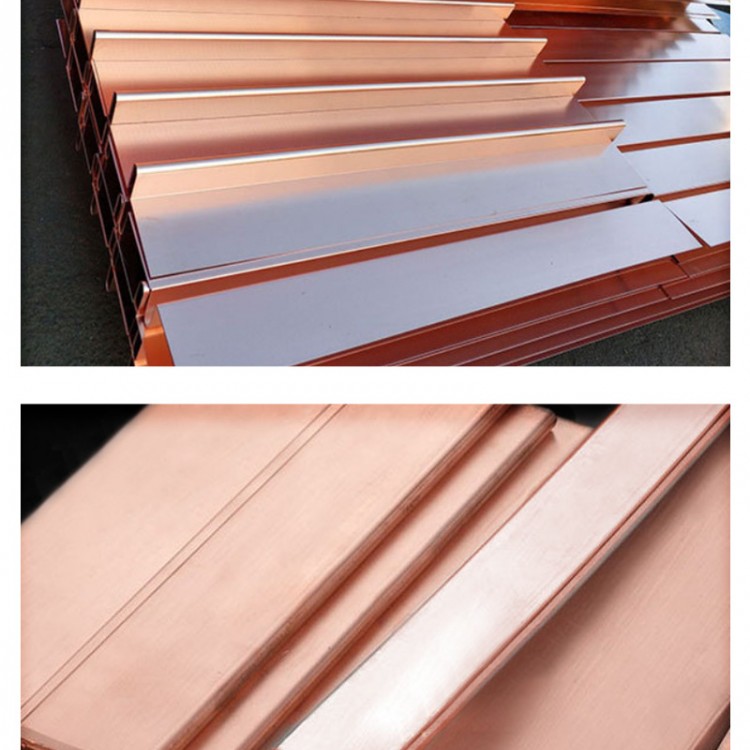
T2 Copper Strip, C1100 Red Copper Strip, Copper Cable, Pure Copper Foil, Copper Sheet
详情描述
Brass exhibits excellent corrosion resistance in atmospheric, seawater, and certain non-oxidizing acids (hydrochloric acid, dilute sulfuric acid), alkalis, salt solutions, and various organic acids (acetic acid, citric acid), making it suitable for the chemical industry.
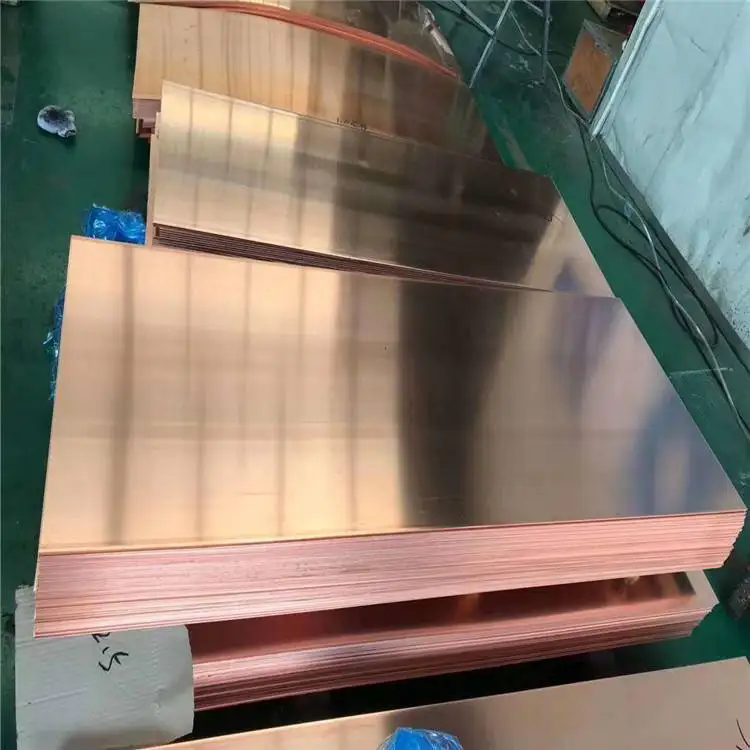
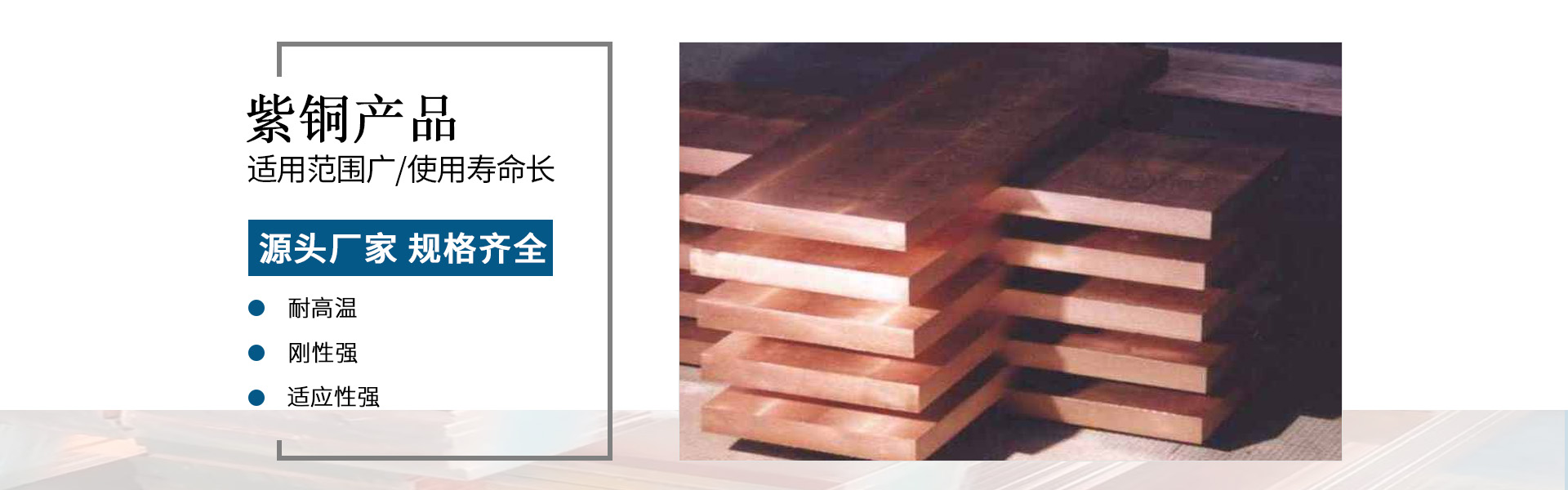
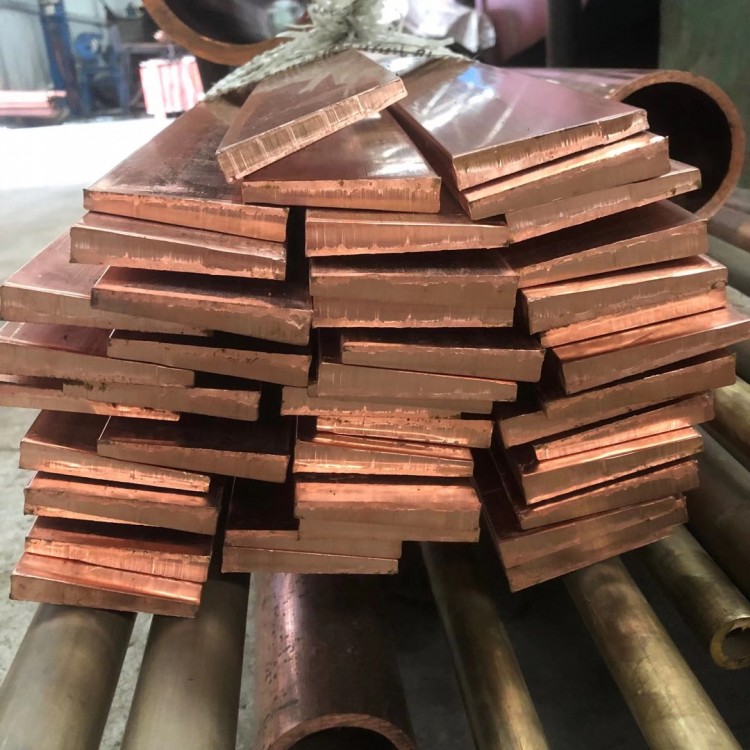
Copper bars offer excellent electrical and thermal conductivity, corrosion resistance, and machinability, and are suitable for welding and brazing. They contain minimal impurities that reduce electrical and thermal conductivity, and trace amounts of oxygen have little impact on conductivity, thermal conductivity, and machinability, but can easily cause "hydrogen embrittlement." They are not recommended for processing (annealing, welding, etc.) and use in high-temperature, reducing atmospheres (such as >370℃).
Copper Bars: (Cupronickel, Brass, Beryllium Copper, Phosphor Bronze) Materials: H59, H62, H65, C2700, C2680, C2600, H68, H70, C5210, C5191, C51000, QBe2.0, etc.
Specs: Thickness: 1-100mm, Width: 10-400mm, T2/T3/T1 Copper Bars - High Conductivity Copper Bars, Copper Square Bars, Copper Strip, Copper Coil, and Molding Copper Bars in stock.
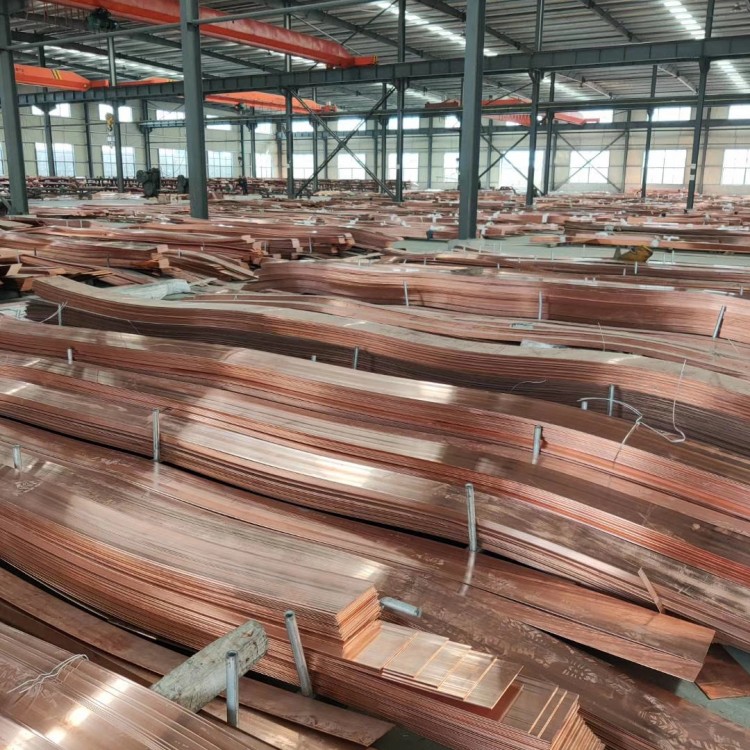
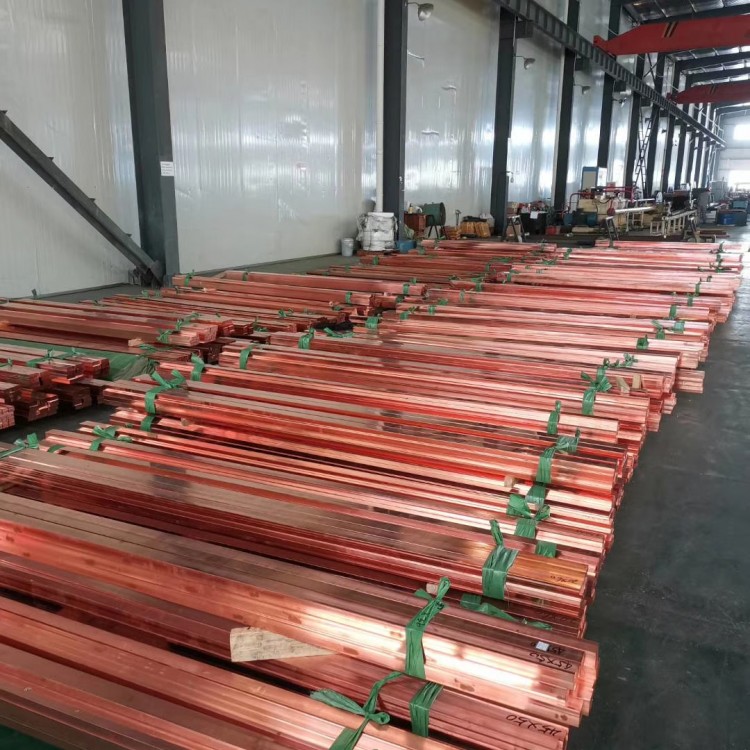
Copper busbars are large current-conducting products, suitable for high and low-voltage electrical appliances, switch contacts, distribution equipment, busway systems, and other electrical engineering applications. They are also extensively used in ultra-high current electrolytic smelting processes in metal refining, electrochemical electroplating, and chemical soda production. Our electrical copper busbars offer low resistivity and high bendability.
Copper busbars, also known as copper busbars, copper busbars, or copper busbars, are long conductors made of copper with rectangular or chamfered (rounded) rectangular cross-sections. Those made of aluminum are called aluminum busbars. They play a role in transmitting current and connecting electrical equipment in circuits. Currently, the quality requirements for copper busbars are governed by the GB/T standard. Due to copper's superior conductivity and other properties over aluminum, copper busbars are widely used in electrical equipment, especially in complete distribution units; generally, the A, B, C, and N phase busbars and PE busbars in distribution cabinets are made of copper busbars. Copper busbars are typically marked with phase color letters or coated with phase color paint during use. The A phase copper busbar is marked with "yellow," the B phase with "green," the C phase with "red," the N phase with "light blue," and the PE busbar with "yellow-green" dual-color.