


- AllProduct Category
-
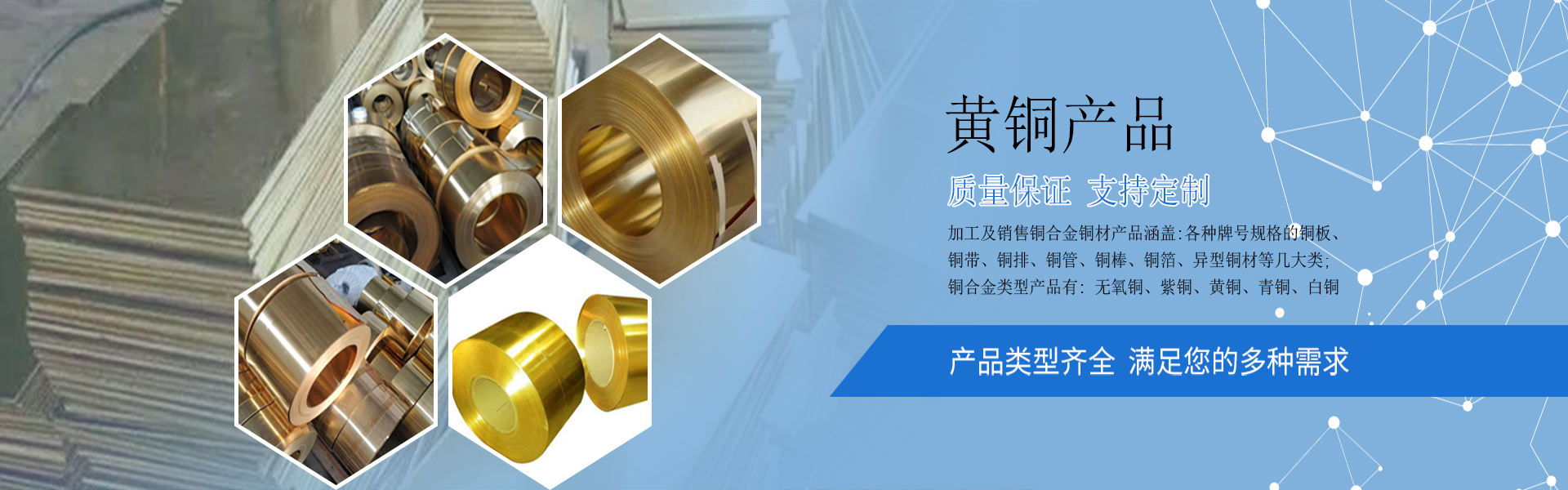
Brass Products
Brass Products
Brass Products
Brass Tube Coils
Lead Sheets
Lead Sheeting
Lead Rod



Recommended Products

Copper tubes, oxygen-free copper rods, bronze rods, brass rods, lead brass rods, phosphor bronze rods
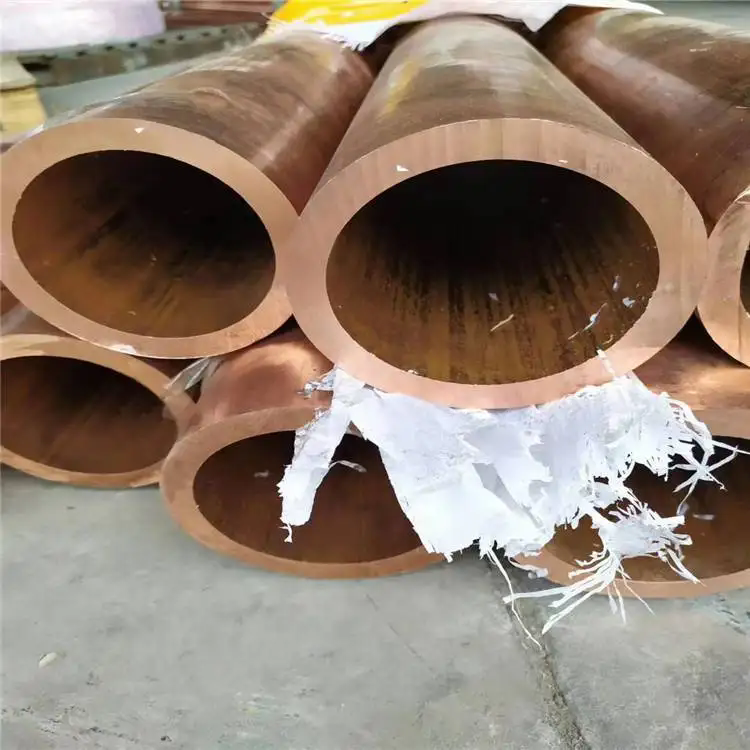
T2 Copper Bar, Copper Sheet, Grounding Conductive Tin Plated Copper Bar, Copper Rod

Copper Tube, Copper Strip, Copper Rod, Copper Plate
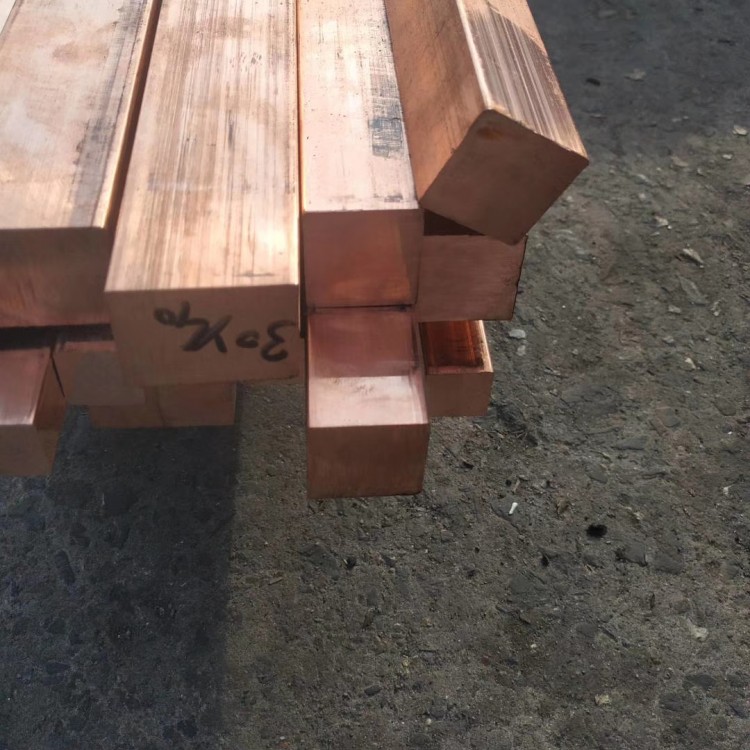
T2T3 Tin-plated Copper Busbars, TMY Grounding Copper Busbar, Copper Busbars for Switchgear Room, Copper Busbars for Distribution Panel Cabinet
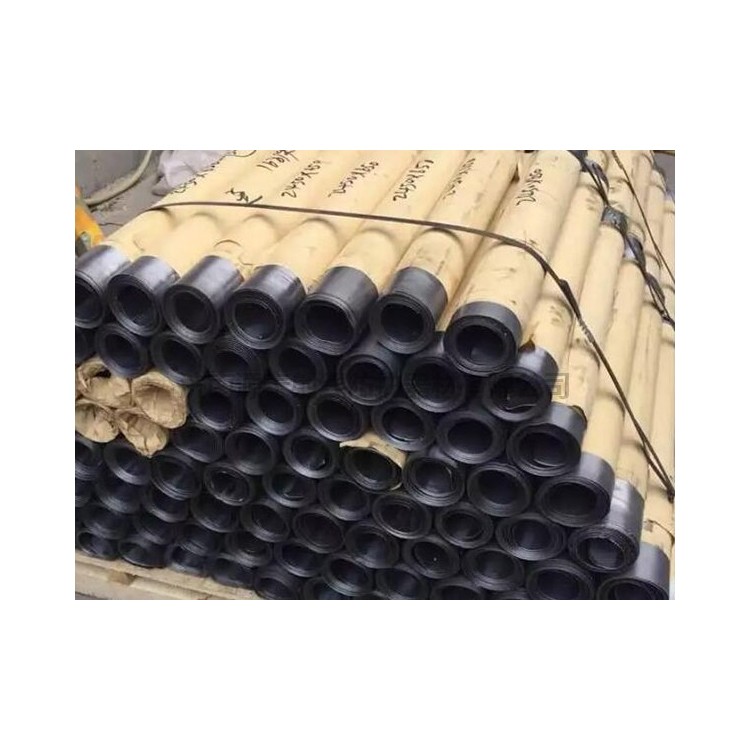
Lead Plate Material Introduction, Lead Plate Applications, Lead Plate Functions, Lead Plate Specifications
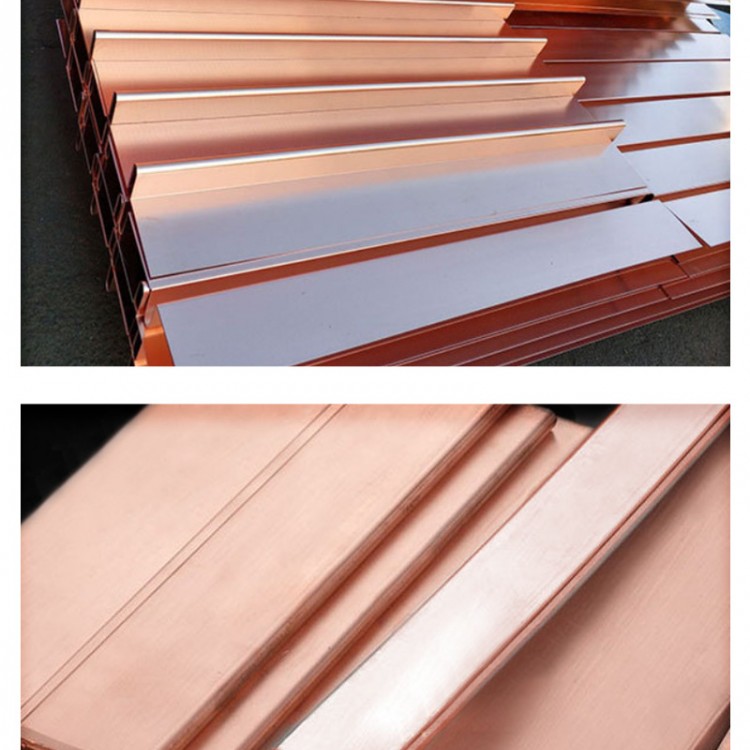
T2 Copper Strip, C1100 Red Copper Strip, Copper Cable, Pure Copper Foil, Copper Sheet
详情描述
Long-term production and sales: Decorative copper plate 1m x 2m, lead-free environmental-friendly mirror copper plate, 1000mm x 2000mm large-size copper plate
In stock sizes: 600*1500mm, 1000*2000mm
Brass has a much broader range of applications compared to pure iron, with 50% of the copper produced annually being electrolytically refined into pure copper for use in the electrical industry. The brass we're referring to here must be extremely pure, with copper content reaching above, and even trace amounts of impurities, particularly phosphorus, arsenic, and aluminum, can significantly reduce copper's conductivity. Oxygen content in copper (easily mixed in during the refining process) has a considerable impact on conductivity, so copper used in the electrical industry is typically oxygen-free. Moreover, impurities like lead, antimony, and bismuth can prevent the copper crystals from bonding, causing thermal brittleness and affecting the processing of pure copper. This highly pure copper is usually refined through electrolysis: impure copper (also known as crude copper) is used as the anode, pure copper as the cathode, with a copper sulfate solution as the electrolyte. As current passes through, the impure copper on the anode gradually dissolves, while pure copper slowly deposits on the cathode. The copper refined in this manner can achieve a purity of.
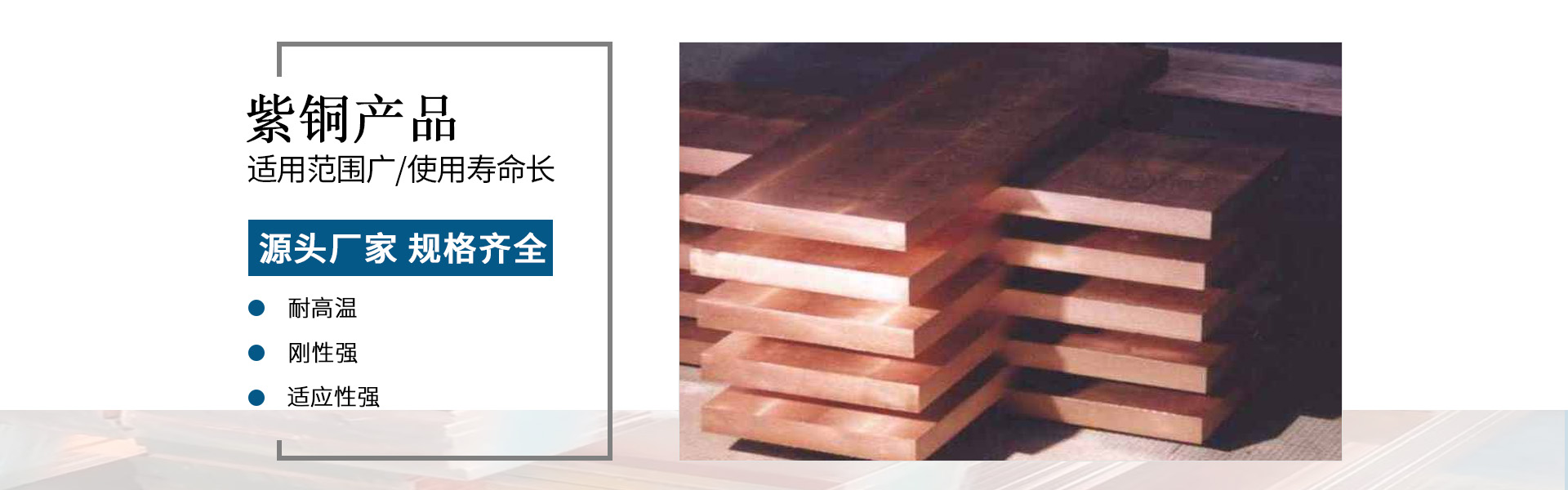
Brass is a relatively pure form of copper, often approximated as pure copper. It has good conductivity and malleability, but it lacks in strength and hardness.
Brass is also used in furniture and decorations such as doors, windows, and handrails.
Copper Alloy Grade Comparison Chart
Copper Alloy Grade Comparison Chart
China's copper alloys can be divided into four categories based on composition: ordinary copper (T1, T2, T3, T4), oxygen-free copper (TU1, TU2, high purity, and vacuum oxygen-free copper), deoxidized copper (TUP, TUMn), and special copper with a small amount of alloy elements (arsenic copper, tellurium copper, silver copper). The electrical and thermal conductivity of copper is second only to silver and is widely used in the production of conductive and heat-conducting equipment. Copper has excellent corrosion resistance in atmospheric, seawater, and certain non-oxidizing acids (hydrochloric acid, dilute sulfuric acid), alkalis, salt solutions, and various organic acids (acetic acid, citric acid), making it suitable for the chemical industry. Additionally, copper boasts good weldability and can be cold or hot-processed into various semi-finished and finished products. In the 1970s, the output of copper exceeded that of all other copper alloys combined.
Name Chinese Brand Japanese Brand German Brand American Brand British
Zero Oxygen Copper TU0 C1011 -- C10100 C110
C1020 Oxygen-Free Copper TU1 OF-Cu C10200 C103
No. 2 Oxygen-Free Copper TU2 C1020 OF-Cu C10200 C103
Copper No. 1, T1, C1020, OF-Cu, C10200, C103
Copper No. 2, T2, C1100, SE-Cu, C11000, C101
Copper #3 T3 C1221 -- -- --
No.1 Phosphorus Deoxygenated Copper TP1 C1201 SW-Cu C12000 --
Phosphorus Deoxidized Copper TP2 C1220 SF-Cu C12000
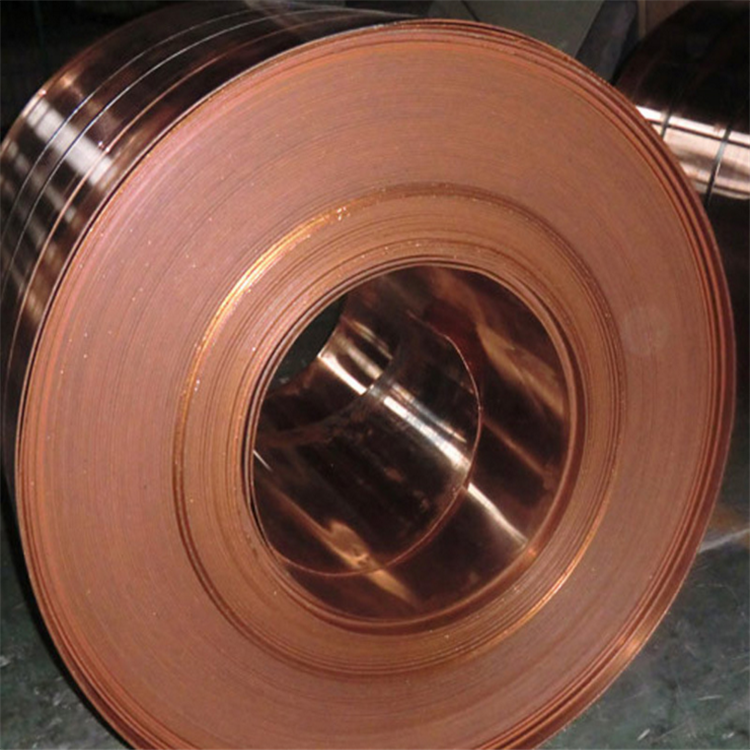
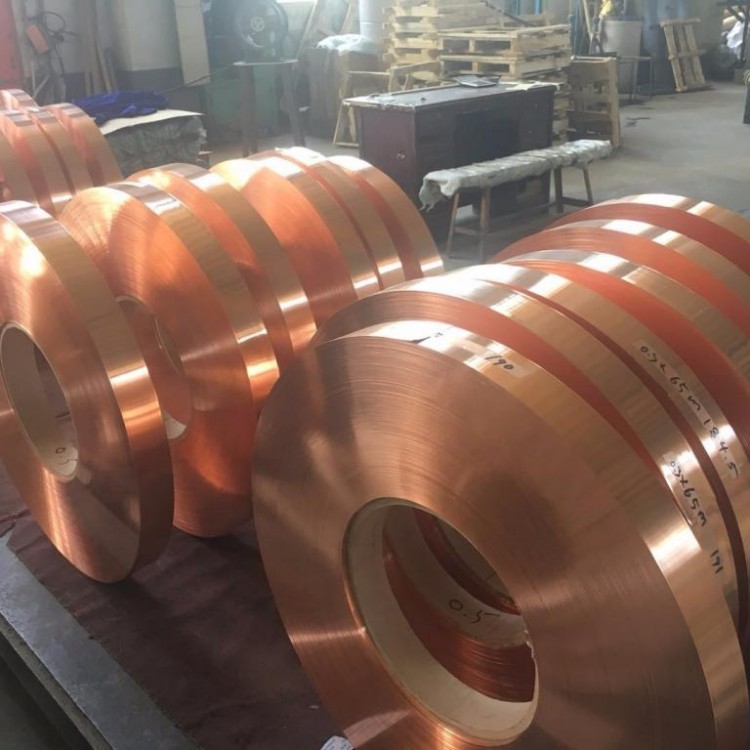
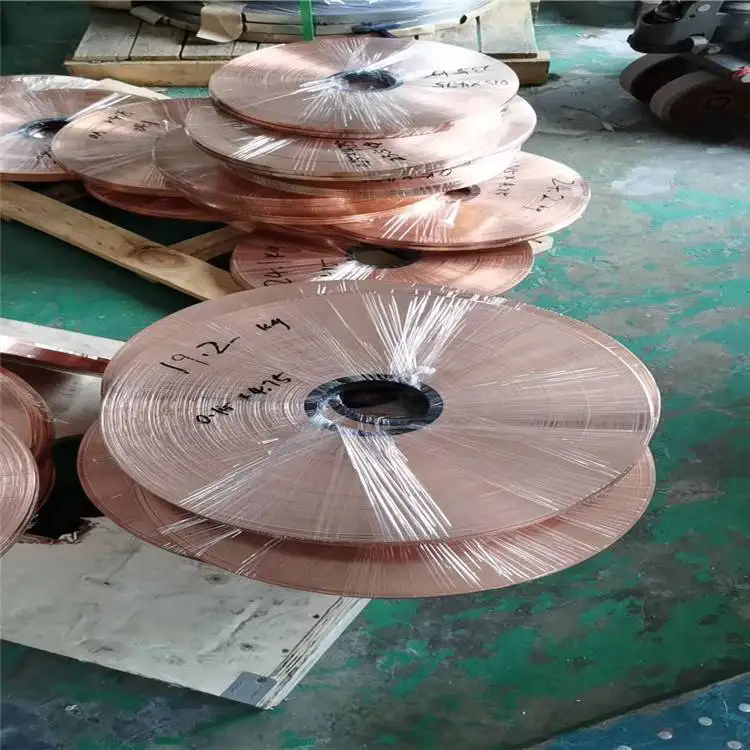
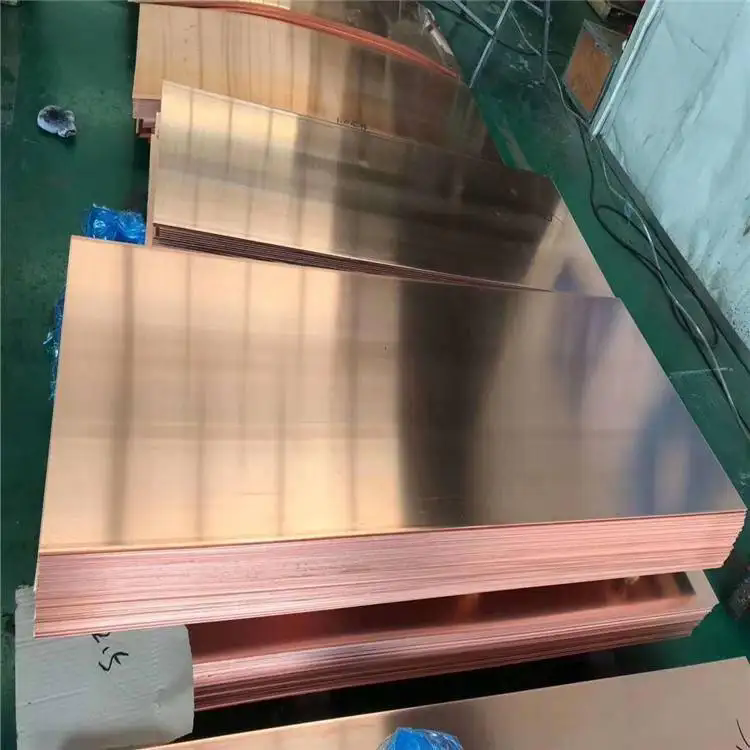 Factory Annealed Copper Sheet Soft态, Oxygen-Free Copper Cut Gaskets, T2 Copper Strip, Copper Plate Processing, Brass Strip Decorative Copper Plate, 1m x 2m Ultra-Thin, 1000x2000mm Large-Scale Copper Plate


