

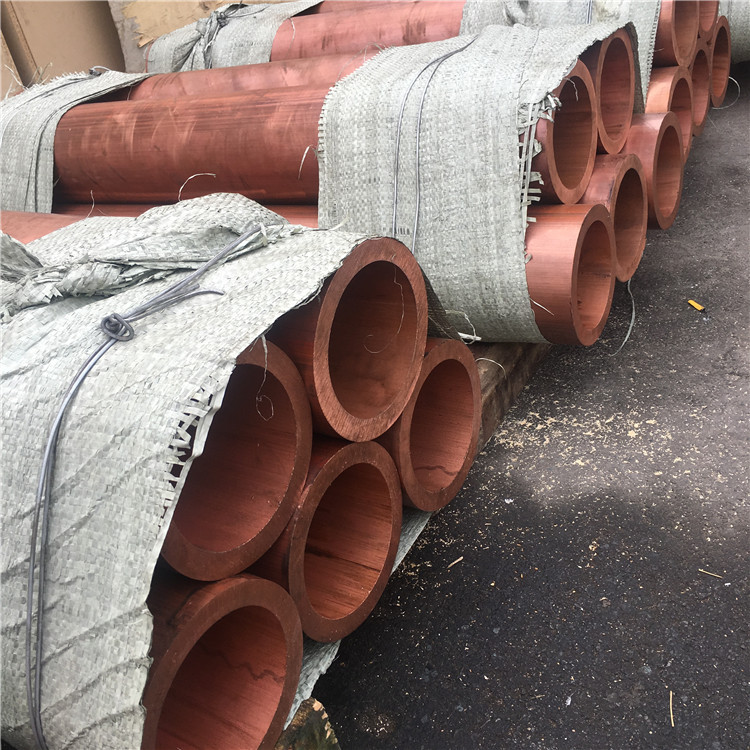
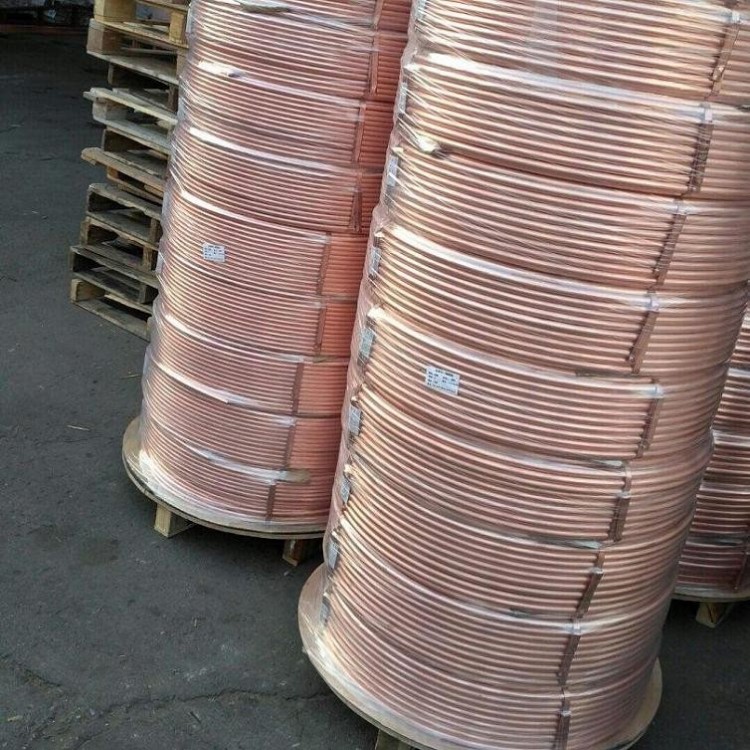

- AllProduct Category
-
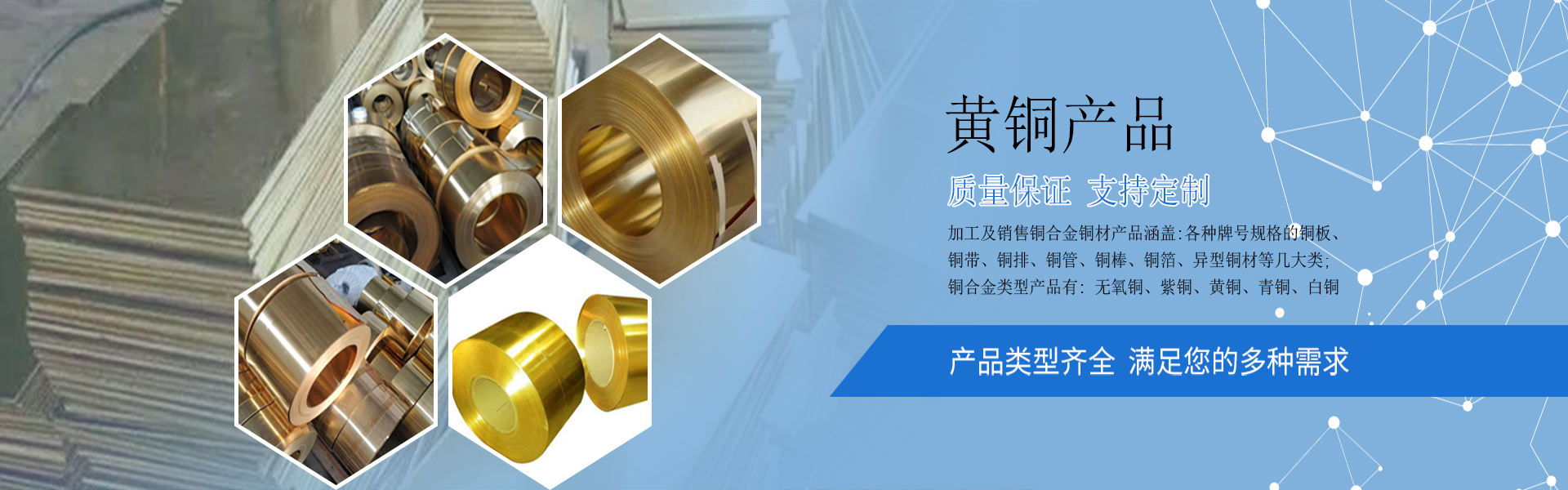
Brass Products
Brass Products
Brass Products
Brass Tube Coils
Lead Sheets
Lead Sheeting
Lead Rod



Recommended Products

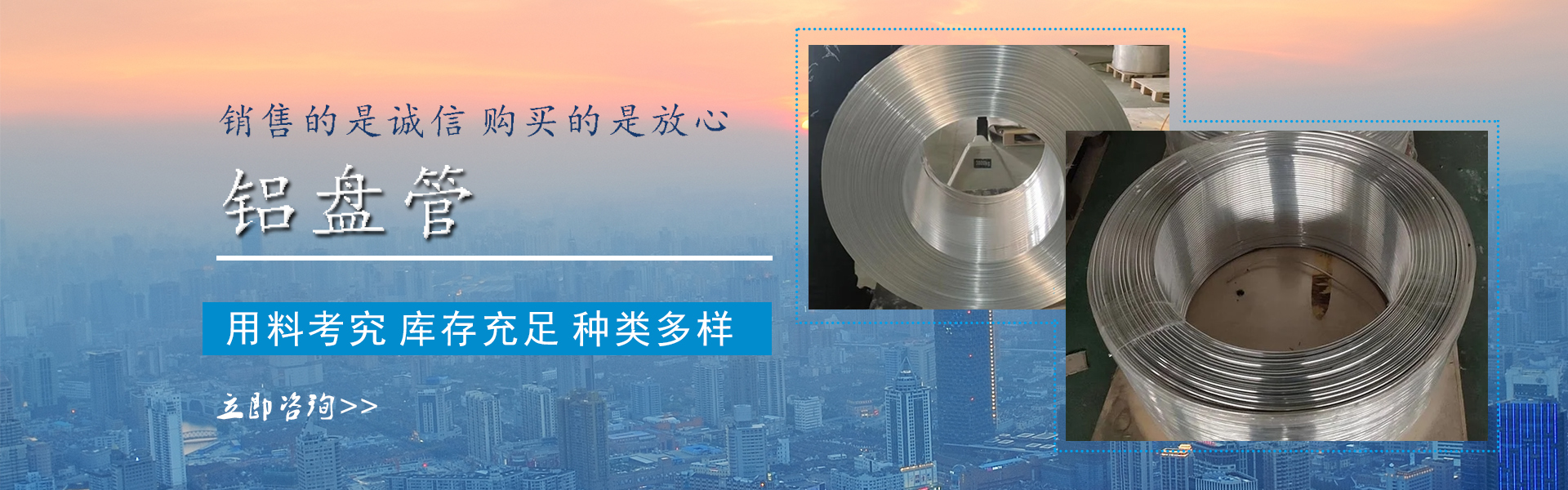
Copper tubes, oxygen-free copper rods, bronze rods, brass rods, lead brass rods, phosphor bronze rods
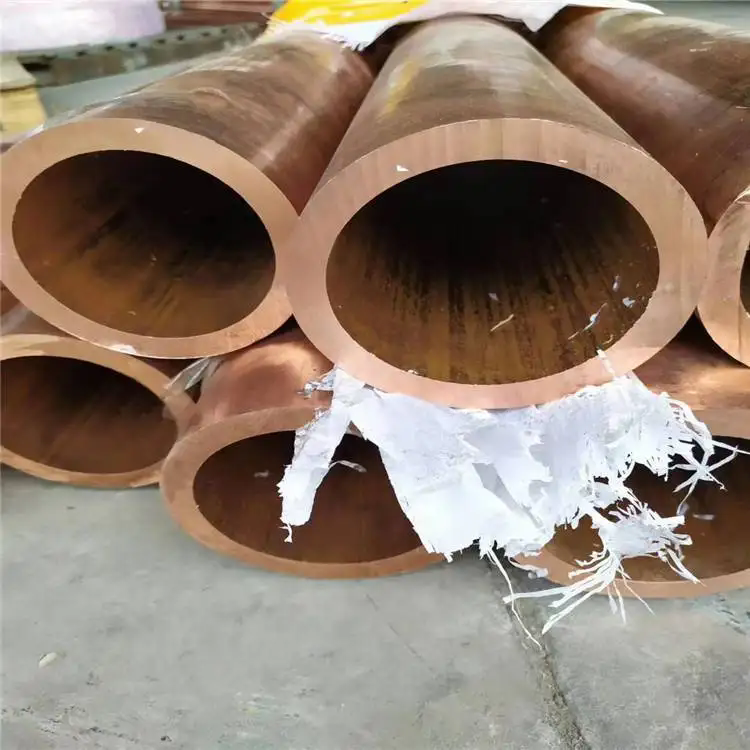
T2 Copper Bar, Copper Sheet, Grounding Conductive Tin Plated Copper Bar, Copper Rod

Copper Tube, Copper Strip, Copper Rod, Copper Plate
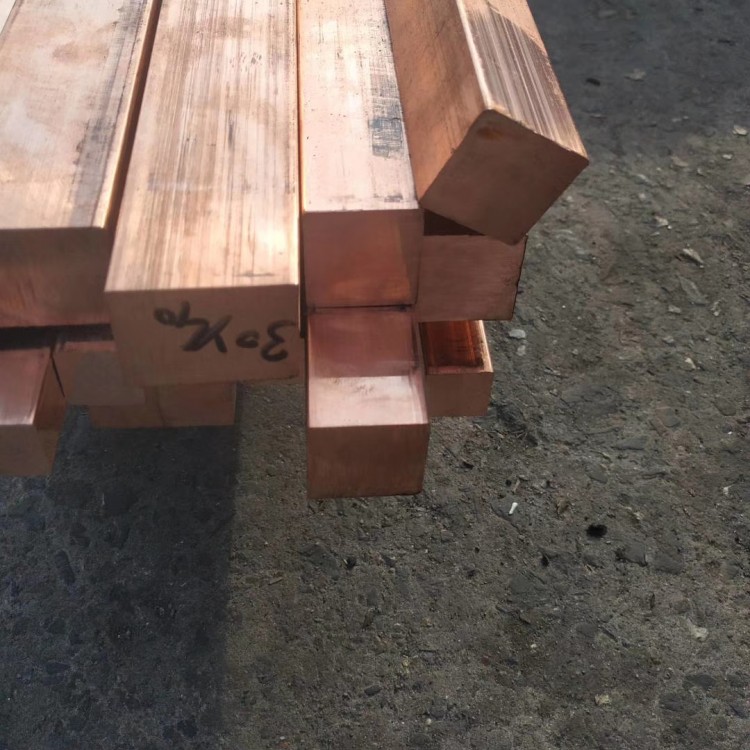
T2T3 Tin-plated Copper Busbars, TMY Grounding Copper Busbar, Copper Busbars for Switchgear Room, Copper Busbars for Distribution Panel Cabinet
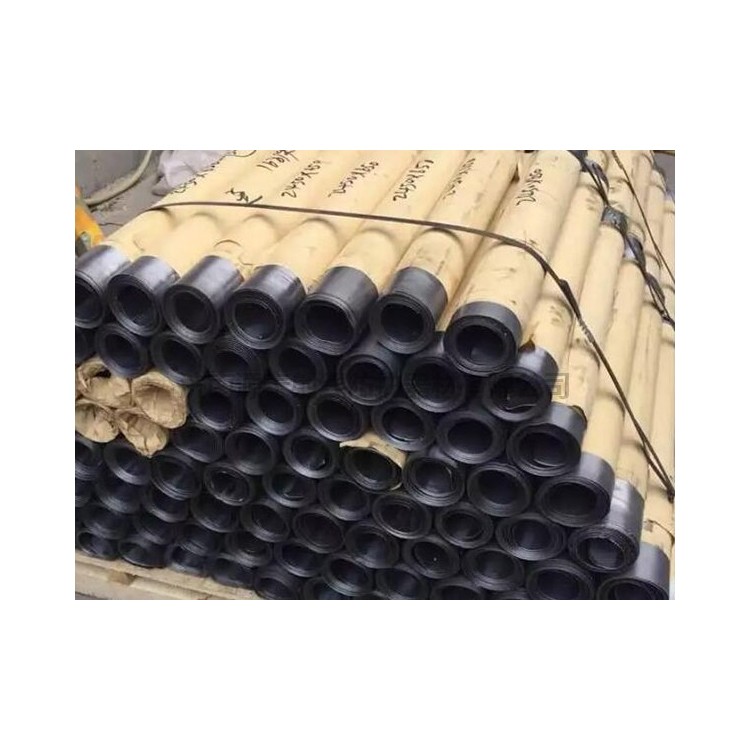
Lead Plate Material Introduction, Lead Plate Applications, Lead Plate Functions, Lead Plate Specifications
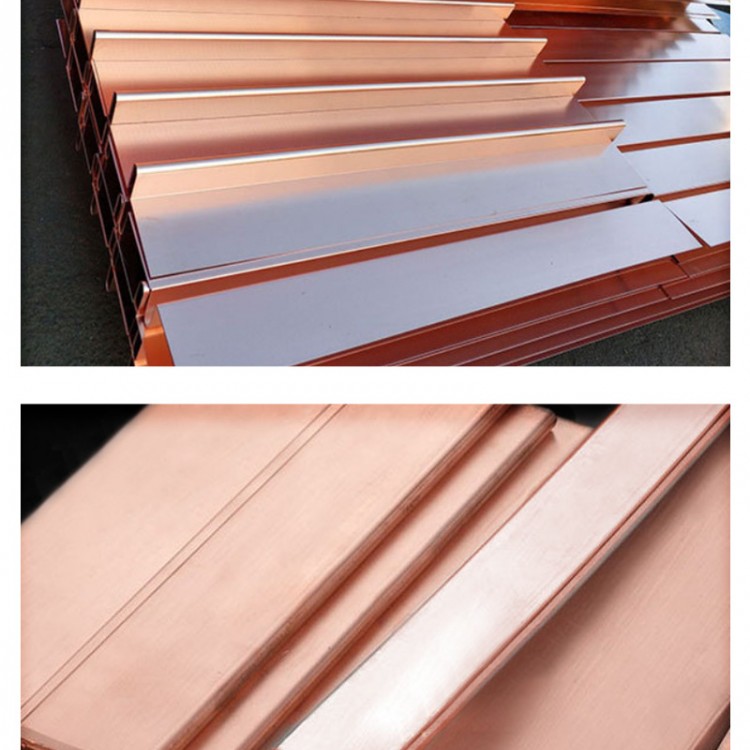
T2 Copper Strip, C1100 Red Copper Strip, Copper Cable, Pure Copper Foil, Copper Sheet
详情描述
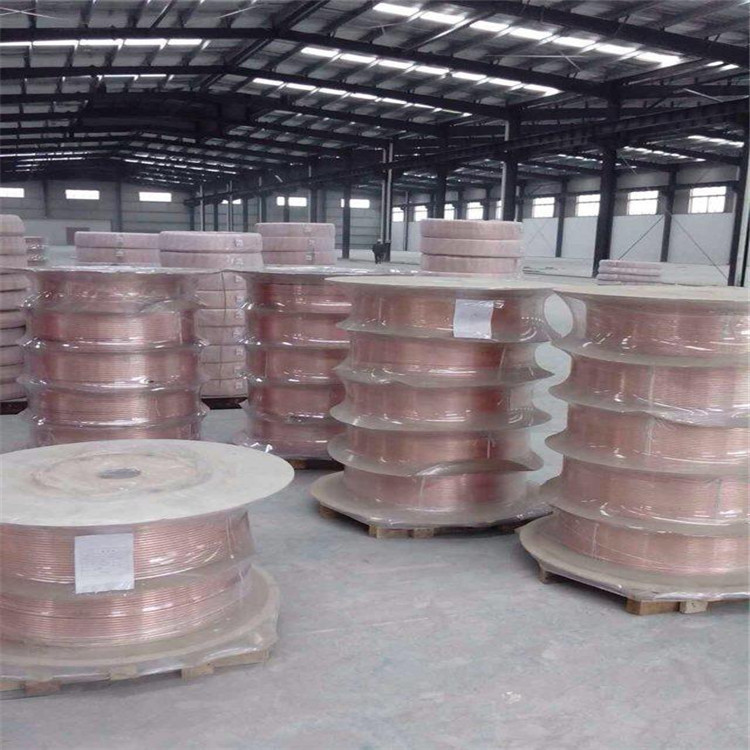
TP2 Phosphorus Deoxygenated Seamless Copper Tubes, Durable and Corrosion-Resistant, 19*1, Used for Heat Exchanger Equipment, Seamless Copper Tube Processing, Copper Tube for Refrigeration Equipment, C1100 Copper Straight Tube T2, Copper Tubes, Power Copper Round Tubes for Heat Exchangers, T2 Descaled and De-phosphorus Pure Copper Tubes, 8x100mm Tin-plated Copper Strip, 50x5mm Copper Busbars for Grounding, Used in Subways
Available Copper Busbars TMY-10*100 Tin-Plated, Conductive Copper Bars, Red Copper Bars C1100 Copper Bars
Copper busbars
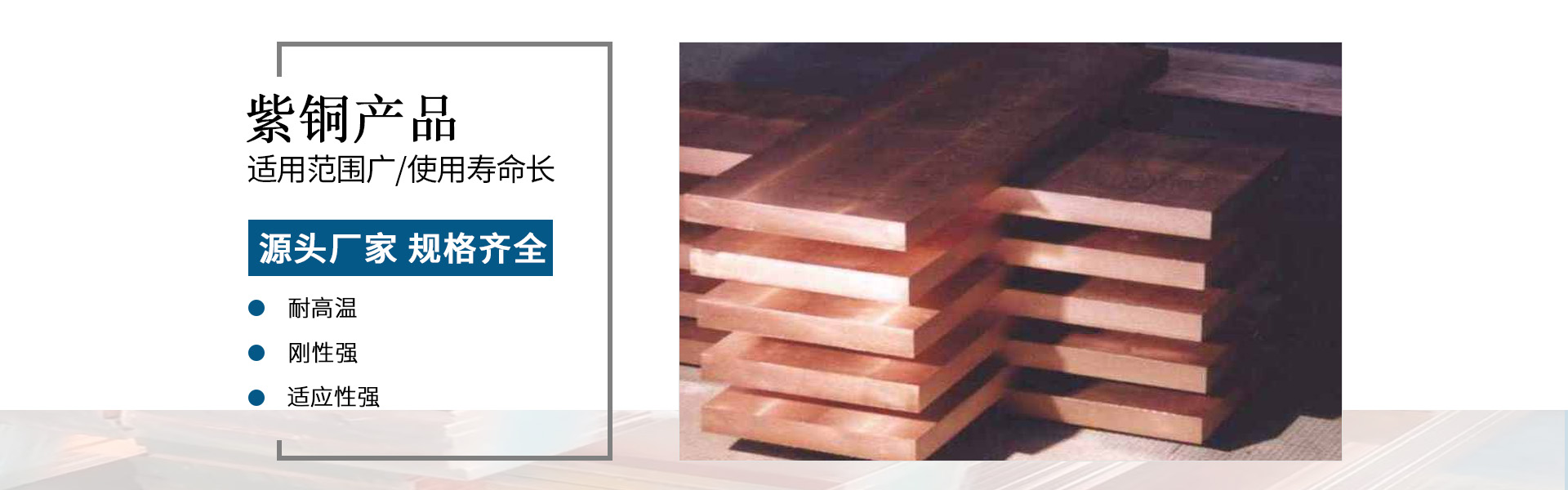
Copper busbars, also known as copper busbars or copper busbars, are long conductors made of copper material with a rectangular or chamfered (rounded) rectangular cross-section. They are used in circuits to transmit current and connect electrical equipment. Copper busbars are applied in electrical equipment, particularly in complete distribution units; typically, the U, V, and W phase busbars and the PE busbars in distribution cabinets are made of copper busbars. During use, copper busbars are usually marked with phase color letters or painted with phase color paint. The U phase copper busbar is painted yellow, the V phase copper busbar is painted green, the W phase copper busbar is painted red, and the PE busbar copper is painted with alternating yellow and green.
Copper busbars are primarily used in primary circuits (both phase, neutral, and ground lines for high currents), and the connections of high-current primary components in electrical cabinets are made with copper busbars. For instance, the main busbar connects the cabinets in a row, and the branch busbars distribute to the switchgear on each cabinet (disconnect switches, circuit breakers, etc.). Copper busbars come in tin-plated and bare copper varieties. The connections in electrical cabinets usually require tin plating and embossing or the addition of conductive paste. Empty spaces are protected with heat-shrinkable sleeves, and some are coated with insulating paint. The main consideration for using copper busbars is the ampacity; choose a suitable busbar based on the current size. The screws at the connection points must be tightly fastened to prevent the possibility of melting the busbars when the current is high.
Copper busbars are large current-conducting products suitable for electrical engineering applications such as high and low-voltage electrical equipment, switch contacts, distribution equipment, busway systems, and more. They are also used in metal smelting, electrochemical electroplating, and chemical caustic soda electrolytic smelting processes. Electrical copper busbars feature low resistivity and high bendability.


