
- AllProduct Category
-
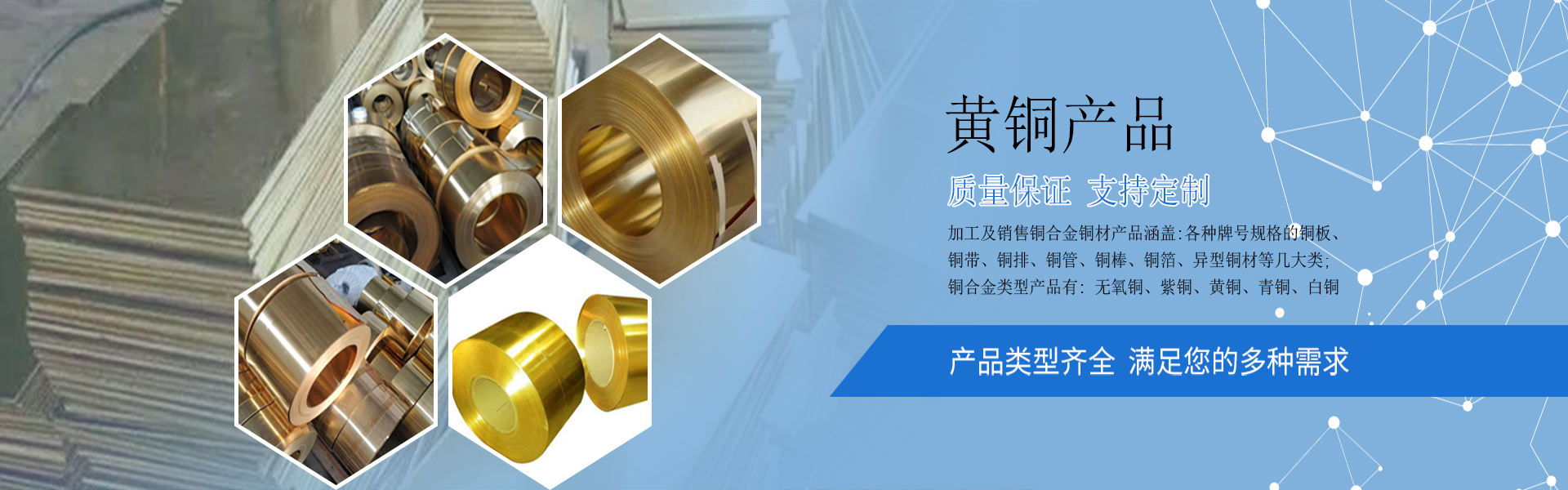
Brass Products
Brass Products
Brass Products
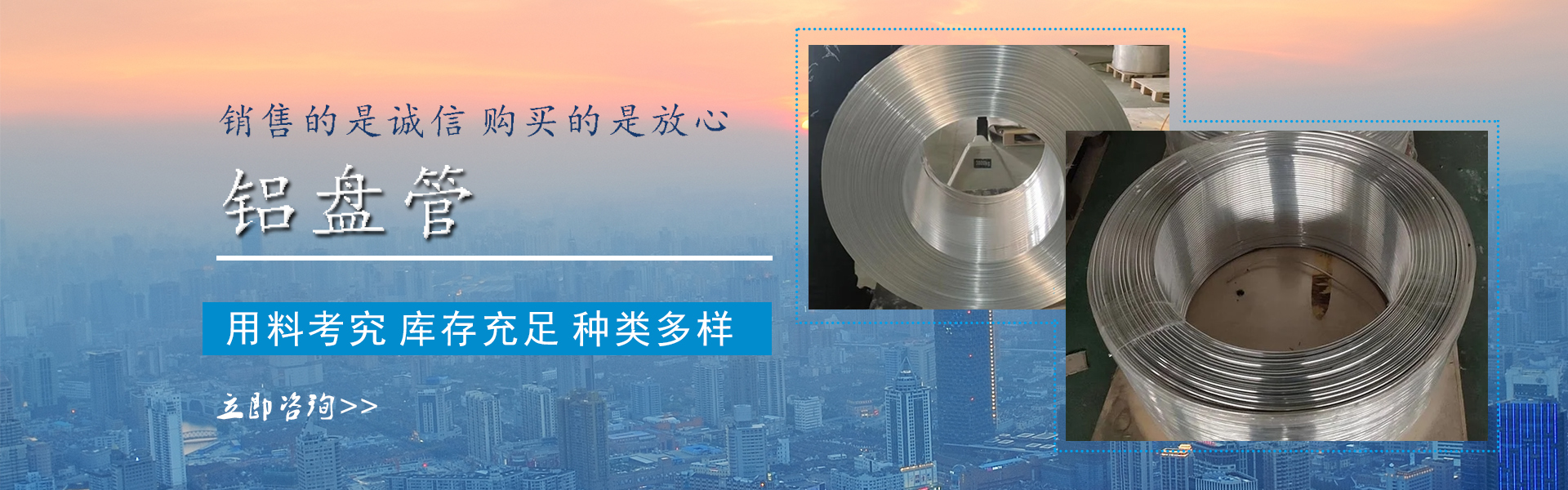
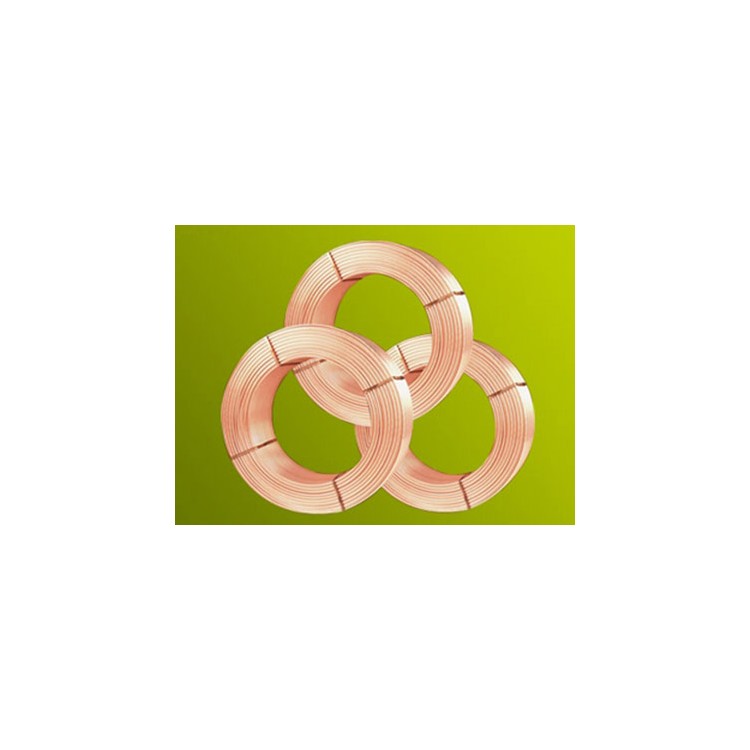
Brass Tube Coils
Lead Sheets
Lead Sheeting
Lead Rod



Recommended Products

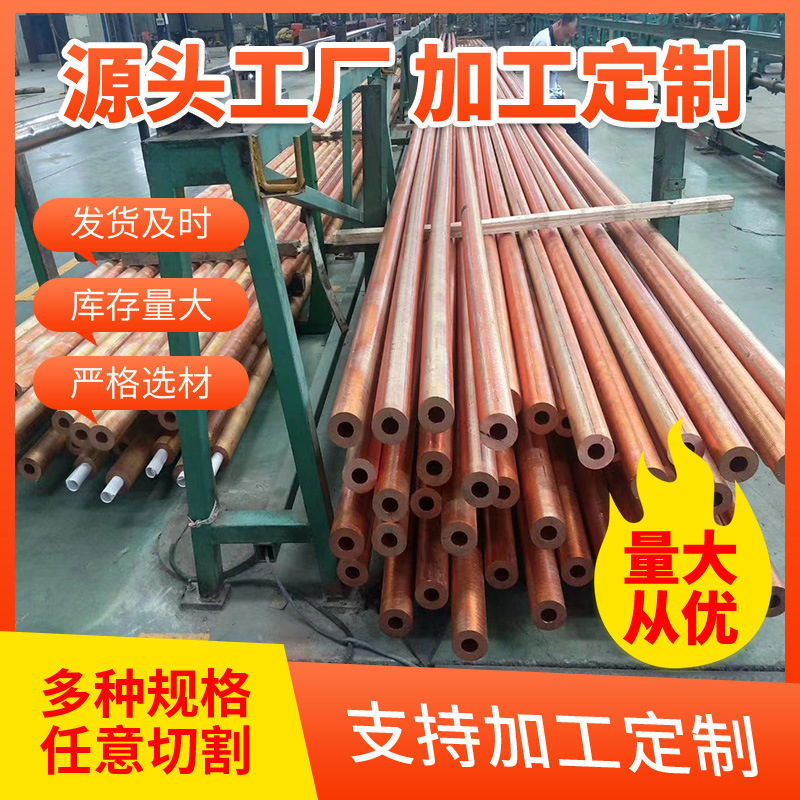
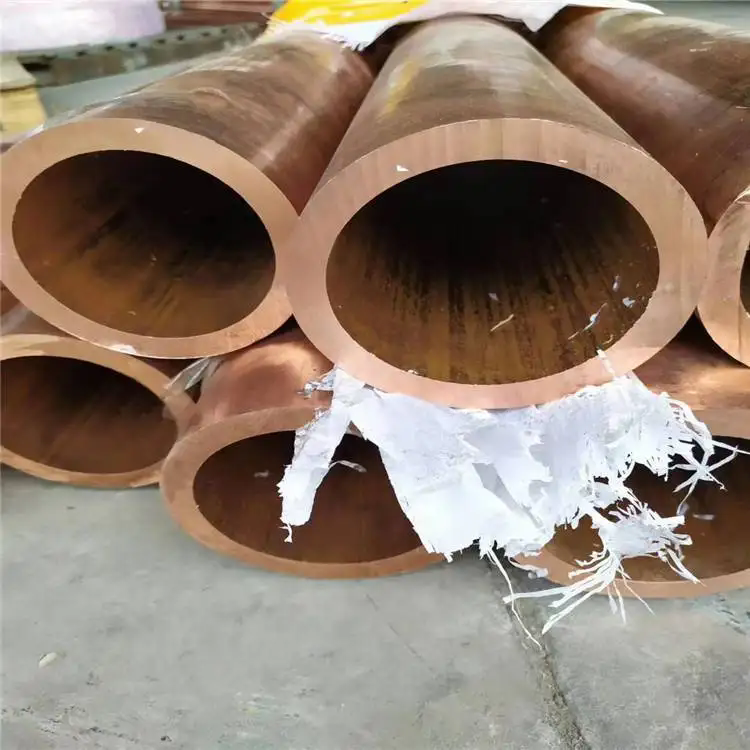
Copper tubes, oxygen-free copper rods, bronze rods, brass rods, lead brass rods, phosphor bronze rods
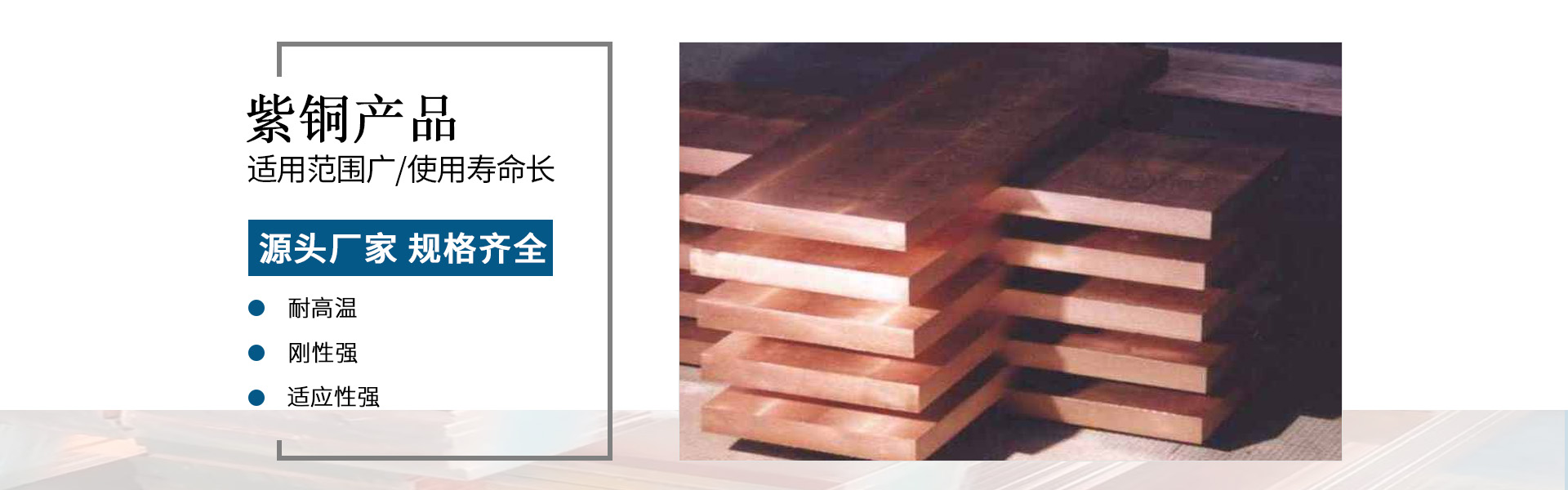
T2 Copper Bar, Copper Sheet, Grounding Conductive Tin Plated Copper Bar, Copper Rod

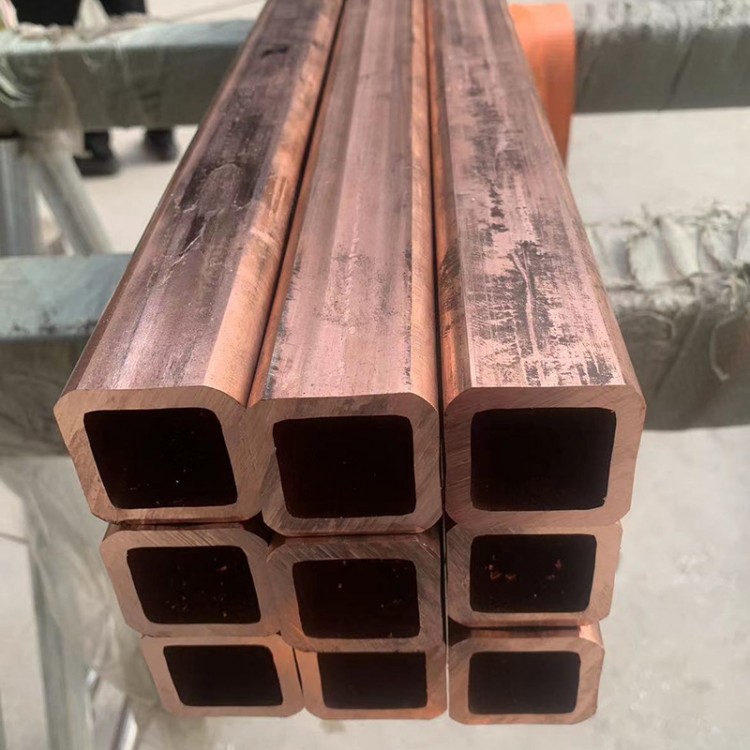
Copper Tube, Copper Strip, Copper Rod, Copper Plate
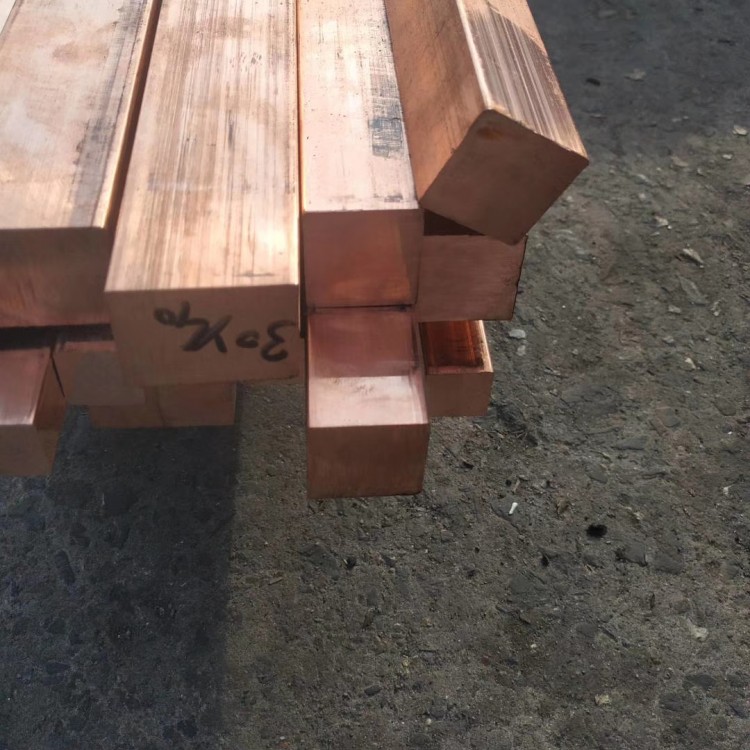
T2T3 Tin-plated Copper Busbars, TMY Grounding Copper Busbar, Copper Busbars for Switchgear Room, Copper Busbars for Distribution Panel Cabinet
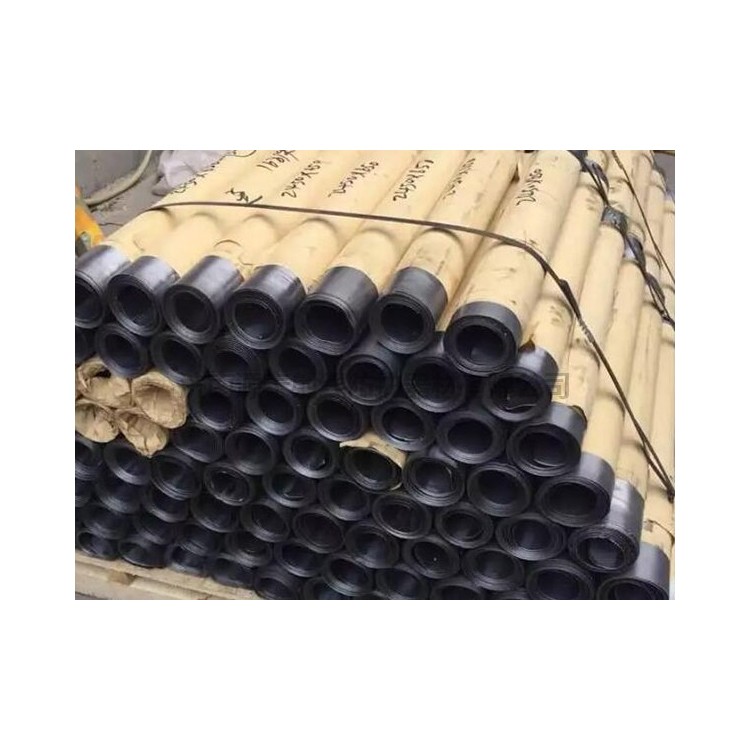
Lead Plate Material Introduction, Lead Plate Applications, Lead Plate Functions, Lead Plate Specifications
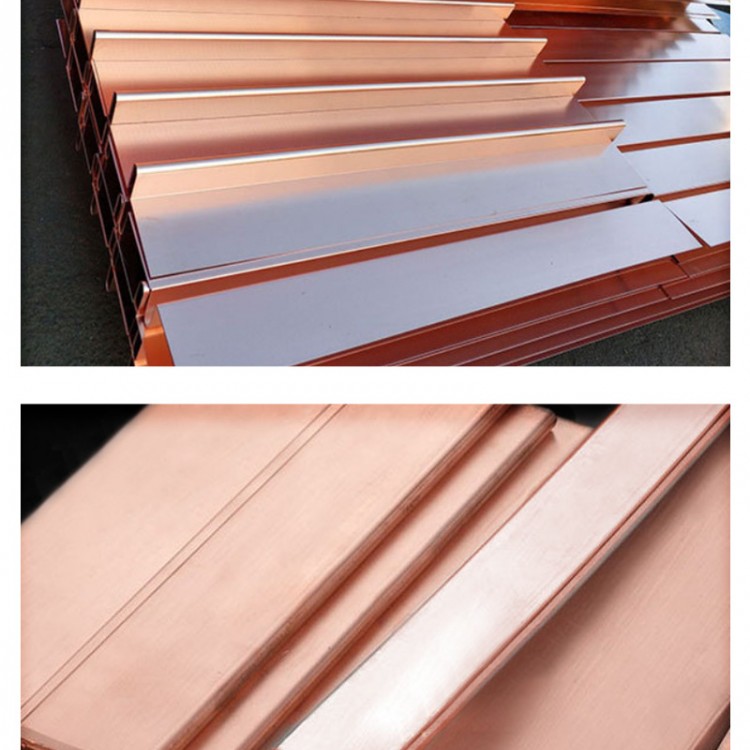
T2 Copper Strip, C1100 Red Copper Strip, Copper Cable, Pure Copper Foil, Copper Sheet
详情描述
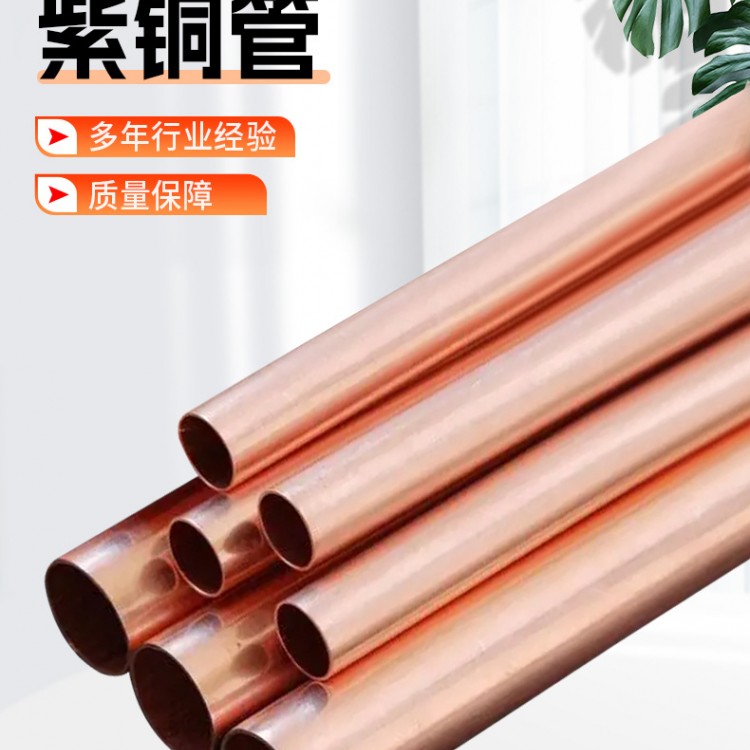
T2 Copper Tube | Conductive T1, T2 Pure Copper Alloy Tube TP2 Air Conditioning Refrigeration Tube Phosphorus Deoxygenated Seamless Copper Tube, Forged Seamless Tube
Material Name: T2 Copper Tube
Brass tubes, also known as copper tubes, are a type of non-ferrous metal tube, which are cold-rolled and drawn seamless tubes. Trace impurities in brass significantly affect its electrical and thermal conductivity. Titanium, phosphorus, iron, and silicon notably reduce the electrical conductivity, while cadmium and zinc have a minimal impact. The brass referred to here must be extremely pure, containing over 99.95% copper. Even small amounts of impurities, particularly phosphorus, arsenic, and aluminum, can greatly decrease copper's conductivity. Oxygen content in copper (easily mixed in during copper smelting) greatly affects conductivity, so copper used in the electrical industry is typically oxygen-free. Additionally, impurities like lead, antimony, and bismuth prevent copper crystals from bonding, causing thermal brittleness and affecting the processing of pure copper. This highly pure copper is usually refined through electrolysis: impure copper (also known as粗铜) is used as the anode, pure copper as the cathode, with a copper sulfate solution as the electrolyte. As current passes through, impure copper on the anode gradually melts, and pure copper gradually precipitates on the cathode. The refined copper obtained this way can reach a purity of...
Chemical Composition
Cu+Ag
B
Sb
As
Fe
Pb
S
Note: ≤0.05 (impurities)
Mechanical Properties: Ultimate Tensile Strength σb (MPa): ≥
Tensile elongation δ5
Tensile Extension &deltage; 10
Note: The tensile mechanical properties at room temperature in the longitudinal direction of the billets
Sample Size: Diameter or Edge Distance 5-40