




- AllProduct Category
-
Brass Products
Brass Products
Brass Products
Brass Tube Coils
Lead Sheets
Lead Sheeting
Lead Rod



Recommended Products

Copper tubes, oxygen-free copper rods, bronze rods, brass rods, lead brass rods, phosphor bronze rods
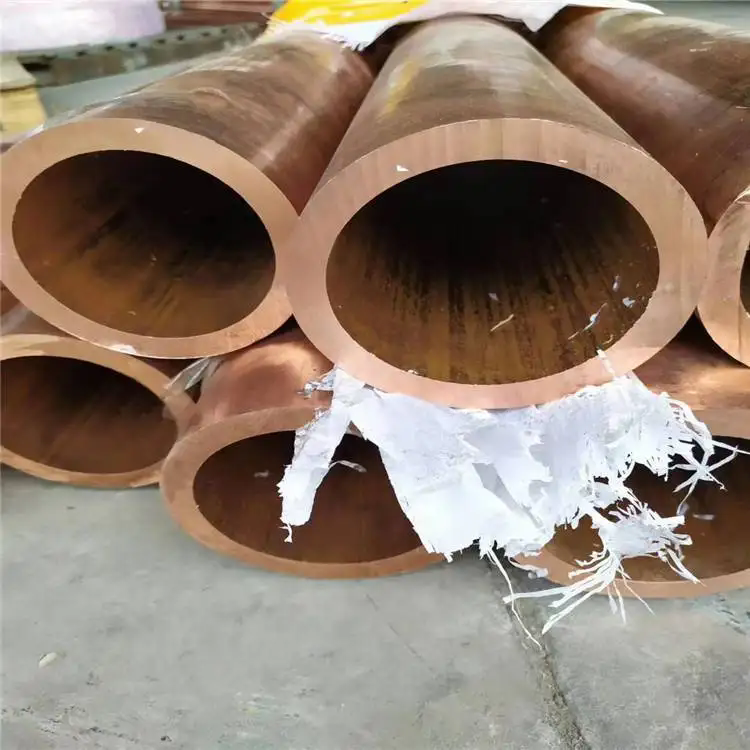
T2 Copper Bar, Copper Sheet, Grounding Conductive Tin Plated Copper Bar, Copper Rod

Copper Tube, Copper Strip, Copper Rod, Copper Plate
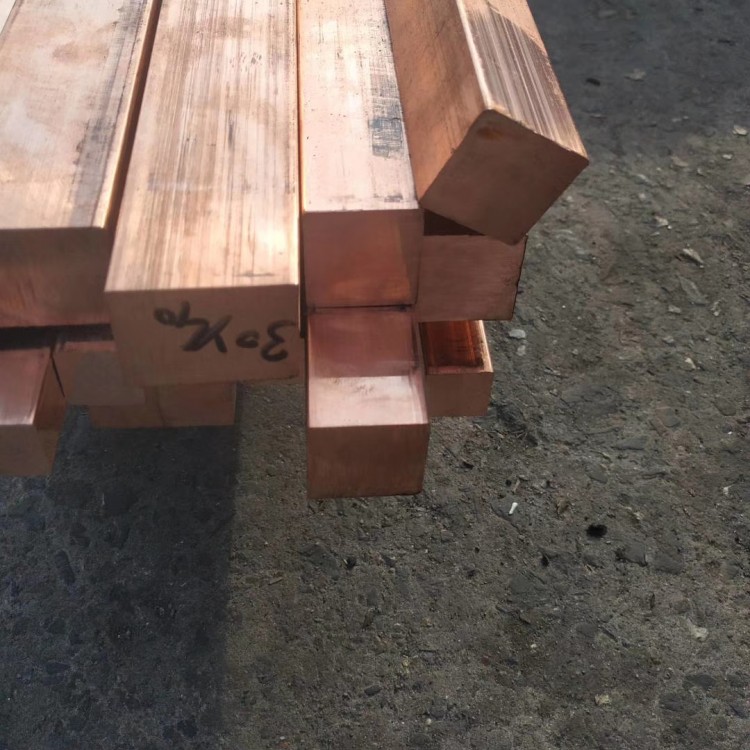
T2T3 Tin-plated Copper Busbars, TMY Grounding Copper Busbar, Copper Busbars for Switchgear Room, Copper Busbars for Distribution Panel Cabinet
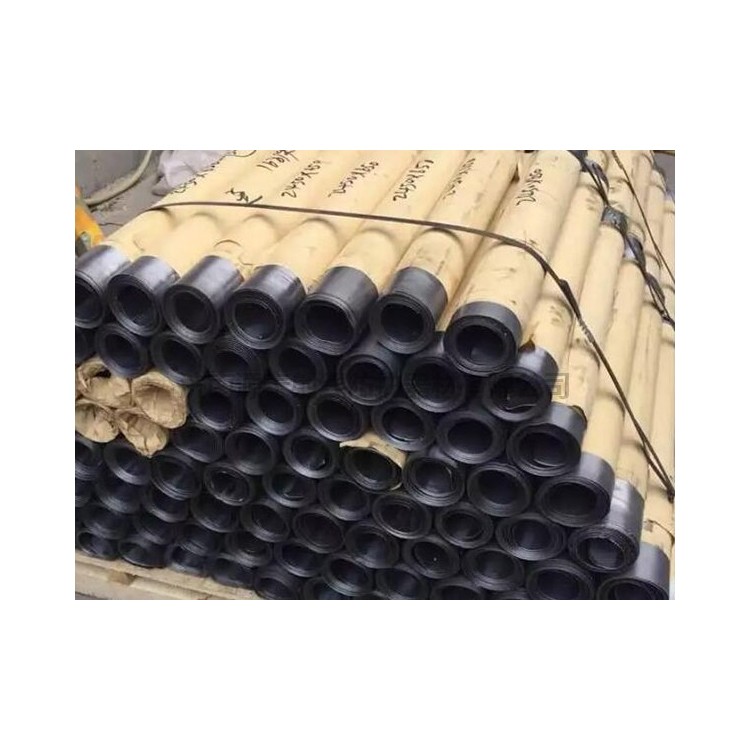
Lead Plate Material Introduction, Lead Plate Applications, Lead Plate Functions, Lead Plate Specifications
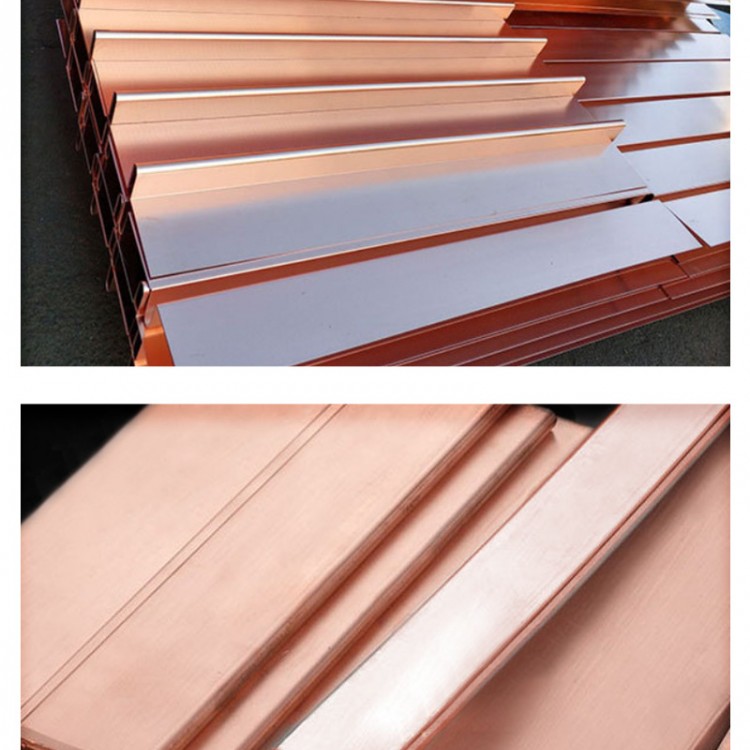
T2 Copper Strip, C1100 Red Copper Strip, Copper Cable, Pure Copper Foil, Copper Sheet
详情描述
High-quality H65 brass strips, brass rods, brass plates, brass bars, brass tubes, and brass wires
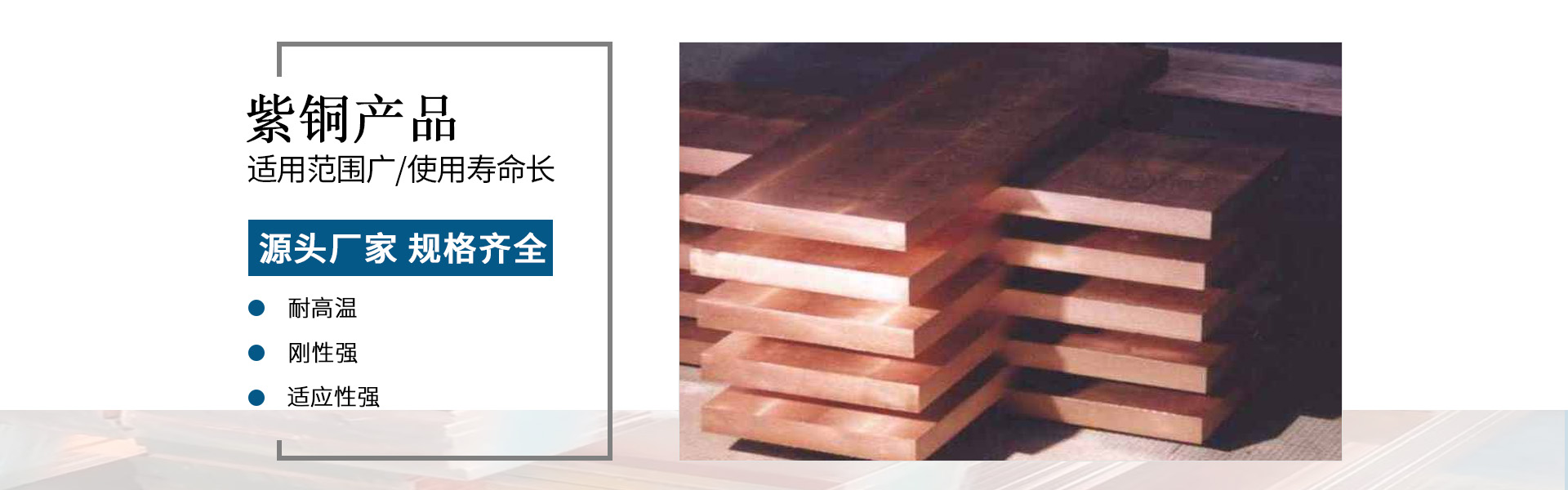
Copper Alloys - Alloys composed of pure copper as the base material with one or more other elements added. Pure copper is purple-red and also known as purple copper. Its density is 8.96, and its melting point is 1083°C, with excellent electrical conductivity, thermal conductivity, ductility, and corrosion resistance. Mainly used in the production of electrical equipment such as generators, busbars, cables, switchgear, transformers, and heat exchangers, as well as thermal conductive materials like flat collectors for heat exchangers, pipes, and solar heating systems. Common copper alloys are categorized into brass, bronze, and white copper.
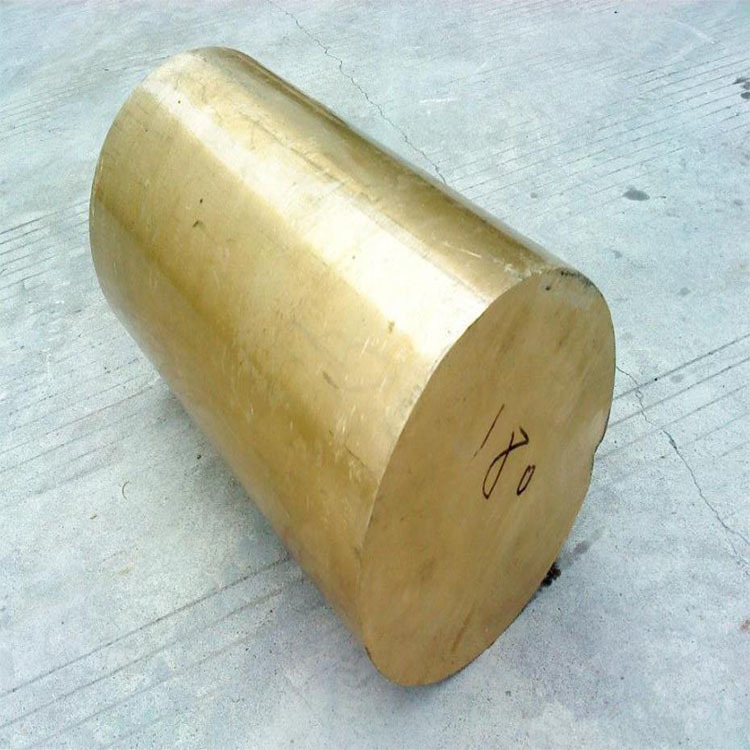
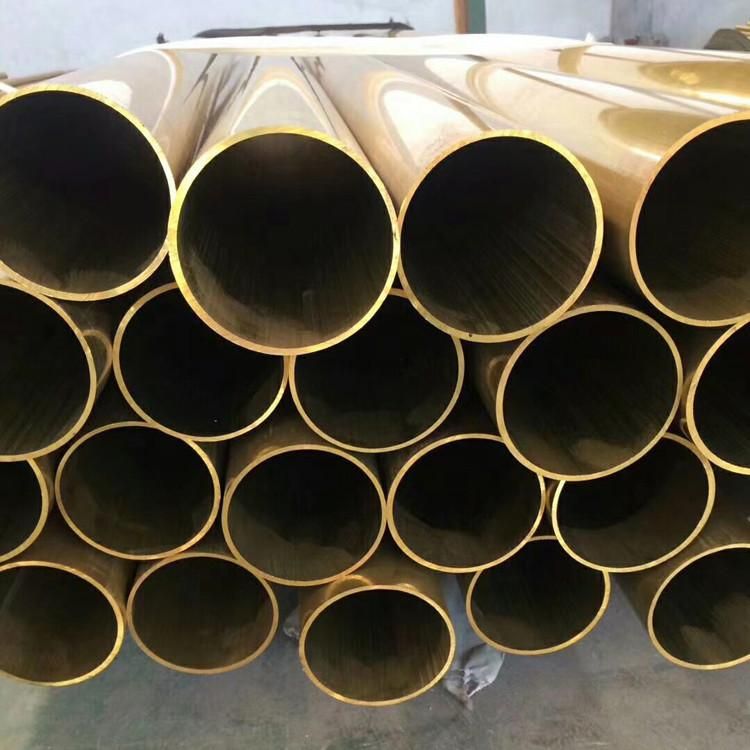
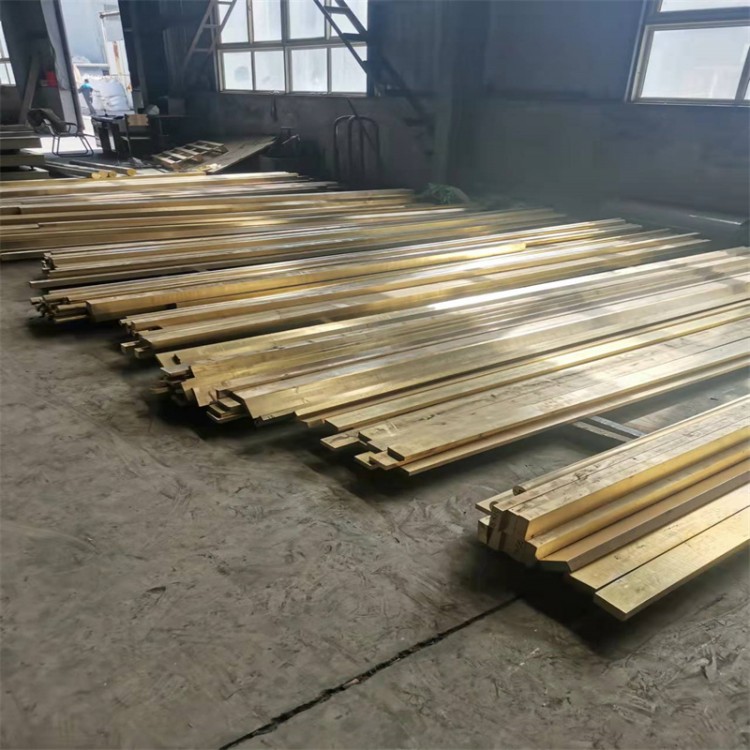
Brass is a copper alloy primarily composed of zinc, characterized by its attractive yellow color, collectively known as brass. The copper-zinc binary alloy is commonly referred to as ordinary brass or simple brass. Brass with three or more elements is called special brass or complex brass. Brass alloys with zinc content below 36% are composed of solid solutions and possess good cold working properties, such as 30% zinc brass, often used for shell casings, commonly known as casing brass or 73 brass. Brass alloys with zinc content between 36% and 42% are composed of both solid solutions, with 40% zinc brass, known as 64 brass, being commonly used. To improve the properties of ordinary brass, other elements are often added, such as aluminum, nickel, manganese, tin, silicon, and lead. Aluminum can enhance the strength, hardness, and corrosion resistance of brass, but reduces its plasticity, making it suitable for marine condenser tubes and other corrosion-resistant parts. Tin improves the strength and corrosion resistance to seawater in brass, hence the name naval brass, used for ship's thermal equipment and propellers. Lead improves the machinability of brass; this easily machinable brass is commonly used for watch parts. Brass castings are often used to manufacture valves and pipe fittings.
Brass, originally referring to copper-tin alloys, later encompasses all copper alloys except brass and white copper, which are also called brass, often prefixed by the name of the primary added element. Tin bronze boasts excellent casting, friction reduction, and mechanical properties, making it suitable for manufacturing bearings, worm gears, and gears. Lead bronze is widely used as a bearing material in modern engines and milling machines. Aluminum bronze has high strength, good wear and corrosion resistance, and is used for casting high-load gears, sleeve shafts, ship propellers, and more. Beryllium bronze and phosphorus bronze have high elastic limits and good conductivity, making them ideal for producing precision springs and electrical contact elements; beryllium bronze is also used to make non-sparking tools for mines and oil depots.
Beryllium Copper - A copper alloy primarily composed of nickel. Binary copper-nickel alloys are known as ordinary beryllium copper; beryllium copper alloys containing additional elements like manganese, iron, zinc, and aluminum are called complex beryllium copper. Industrial beryllium copper is divided into two main categories: structural beryllium copper and electrical beryllium copper. Structural beryllium copper is characterized by good mechanical properties and corrosion resistance, as well as attractive appearance. It is widely used in the manufacturing of precision machinery, chemical equipment, and ship components. Electrical beryllium copper generally possesses excellent thermoelectric properties. Manganese copper, Constantan, and Karat are different manganese-containing beryllium copper alloys, used in the production of precision electrical instruments, variable resistors, precision resistors, strain gauges, thermocouples, and more.


