
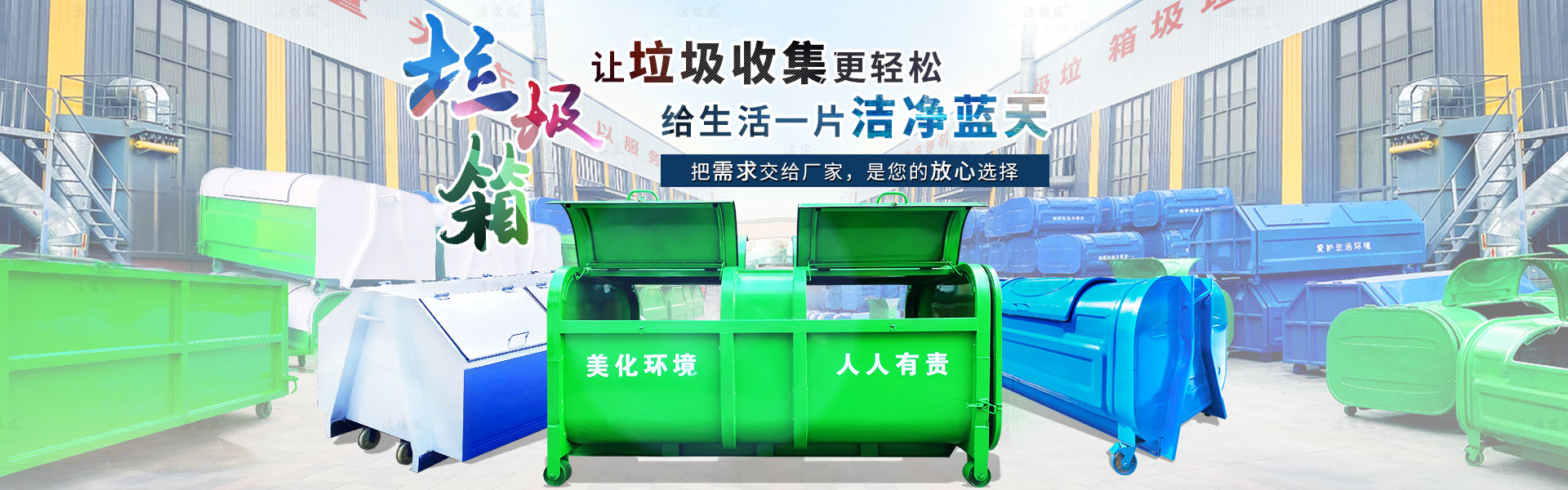

Today, we're here to introduce the role of classified trash bins. Nowadays, waste classification is being implemented across the nation. Many residential areas, office parks, and public places have set up waste classification facilities. Different types of waste certainly need to be disposed of in different bins, which we refer to as classified trash bins.
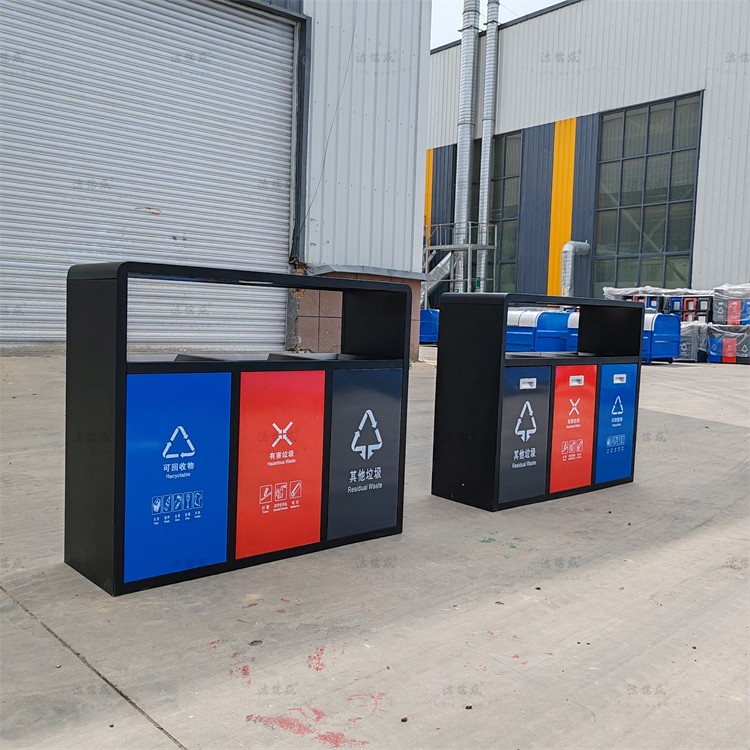
Waste is categorized into four types: recyclable waste, non-recyclable waste, hazardous waste, and other waste. The benefits of waste sorting include reducing land occupation. Some substances in daily life are difficult to decompose, leading to severe soil erosion. By sorting out recyclable and non-biodegradable materials, the amount of waste can be reduced by over 50%. This reduction in waste helps to minimize environmental pollution. For instance, discarded batteries containing toxic substances pose severe harm to humans, and buried plastic can lead to reduced crop yields. Therefore, recycling reduces these hazards. Waste can be transformed into valuable resources; recycled plastic can be refined into unleaded gasoline and diesel. Thus, waste recycling is both environmentally friendly and resource-saving. The classification bins used in the production process are made from high-quality materials, featuring a simple and elegant design, durability, and lightweight flexibility. Different colors are designed for different types of recyclable waste, ensuring accuracy in the waste collection process.
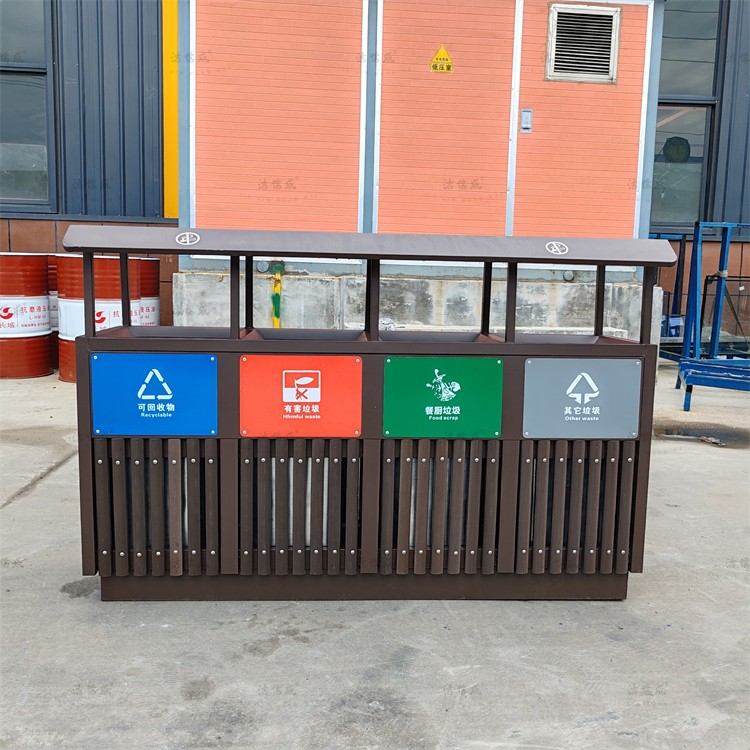
Above is the introduction to the operation of classified waste bins; we hope it is helpful to you.
