


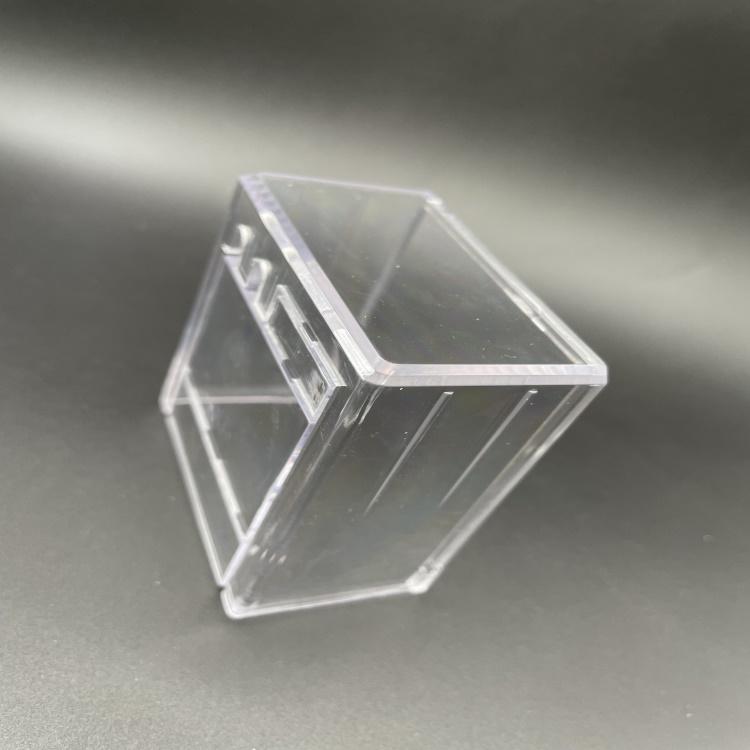
What is PS material?
What is PS material?
PS is the abbreviation for "Polystyrene," which is a thermoplastic polymer synthesized by free radical polymerization of styrene monomers. Polystyrene is an amorphous high polymer with benzene rings as its main side groups, characterized by its irregular structure, high transparency, high hardness, high glass transition temperature, and brittleness. Expandable polystyrene is a type made by immersing general polystyrene in a low-boiling-point physical blowing agent, which is then foamed upon heating, specifically for manufacturing foam products. Polystyrene with good impact resistance
Ethylene is a polymer composed of butadiene and butadiene, which enhances the impact resistance of the material but results in an opaque finished product. This intermediate-grade polystyrene is a new type of high polymer material with excellent properties.

II. Classification of PS Materials
PS materials can be categorized into general polystyrene, expanded polystyrene, high-impact polystyrene, and syndiotactic polystyrene based on their applications. General polystyrene resin is a non-toxic, odorless, colorless transparent granule resembling glass-like brittle material. It boasts high transparency with a light transmittance over 90%, excellent electrical insulation properties, ease of coloring, good processing fluidity, rigidity, and strong resistance to chemical corrosion. However, general polystyrene has drawbacks such as brittleness, low impact strength, tendency to crack under stress, poor heat resistance, and intolerance to boiling water.
Polystyrene is a colorless, transparent, and dyeable material with a relative density second only to polypropylene and PE. It boasts excellent electrical properties, particularly at high frequencies, ranking second to F-4 and PPO. Additionally, its light stability is second to only methyl丙烯.
Esters, yet it boasts excellent radiation properties. The main characteristics of polystyrene lie in its good thermal stability and flow during melting, making it easy to shape, especially for injection molding, and suitable for mass production. The shrinkage after shaping is low, and the size of the finished product is stable.
Section 3: Applications of PS Material
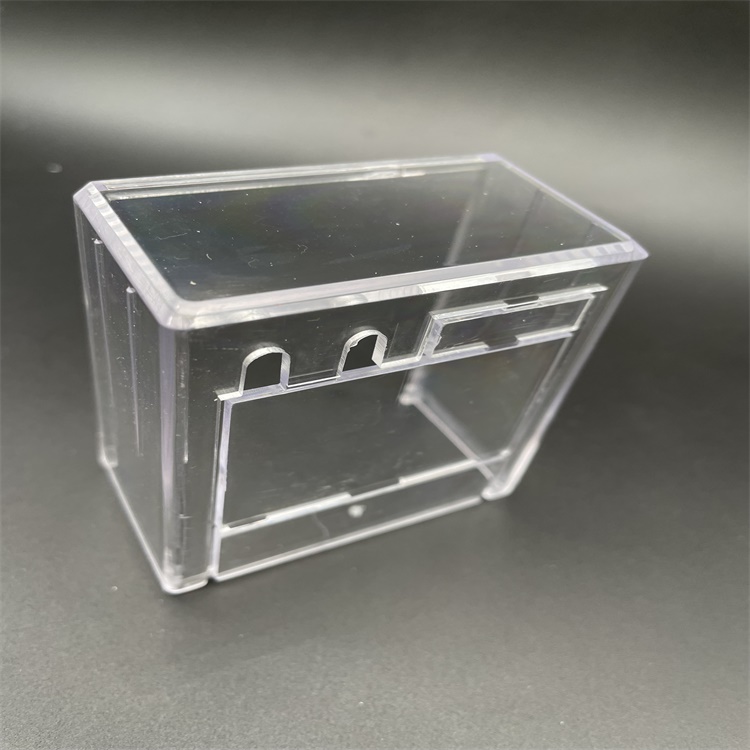
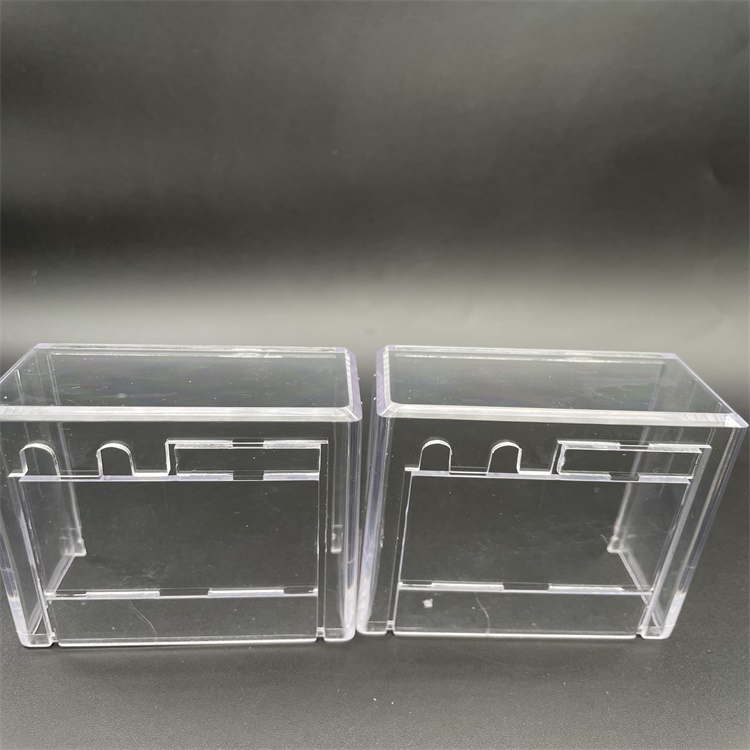
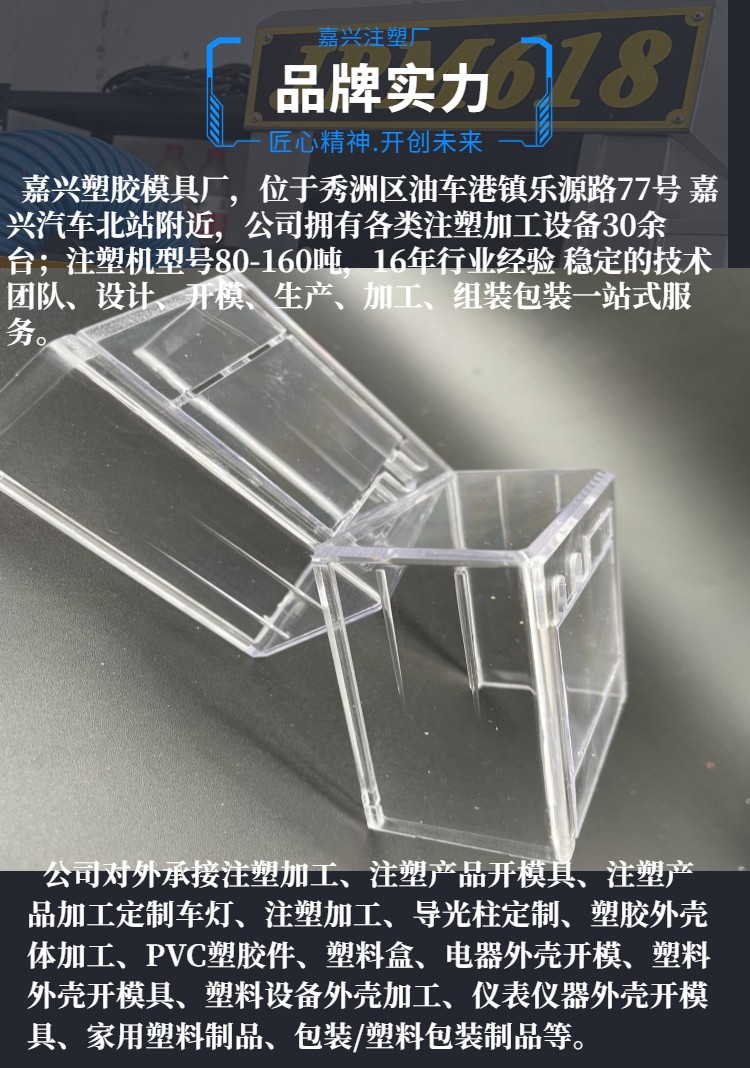
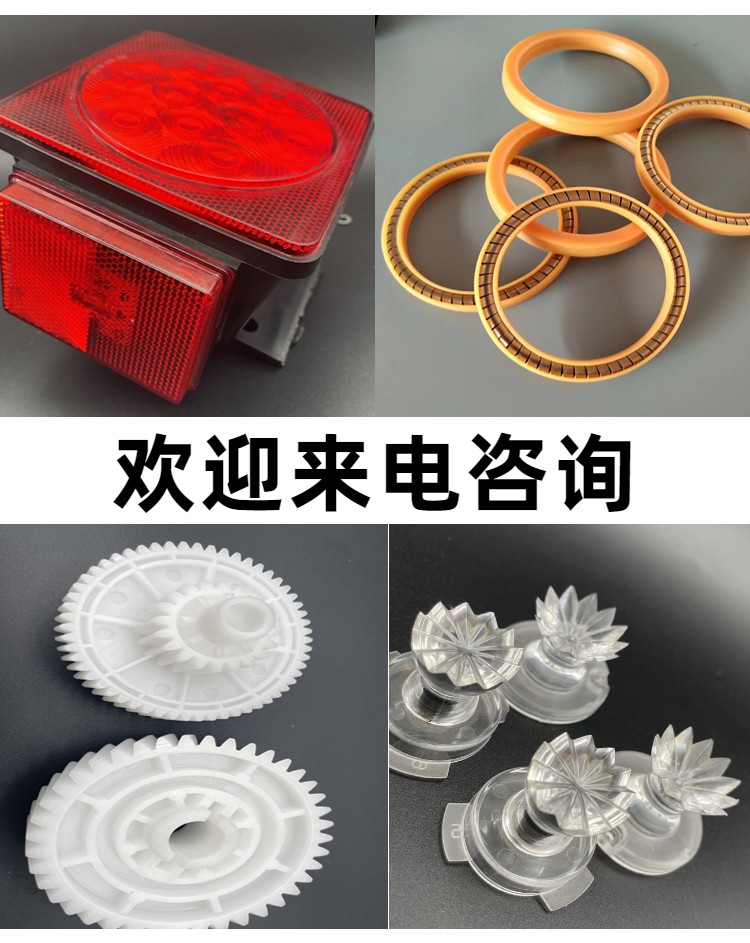
Due to the ease of processing and forming, PS material boasts features like transparency, affordability, and insulation, making it suitable for various light industrial products, decorative items, lighting fixtures, and packaging. Examples include common items like plastic boxes and foam boards.
In addition, PS material can also be applied to powdery and creamy substances. It has excellent compressing effects on powder compacts, enhancing the adhesive properties of the powder. It imparts a smooth, smooth sensation to the skin, serving as a good filling material that replaces talc and silica.
