




 通过中商114认证
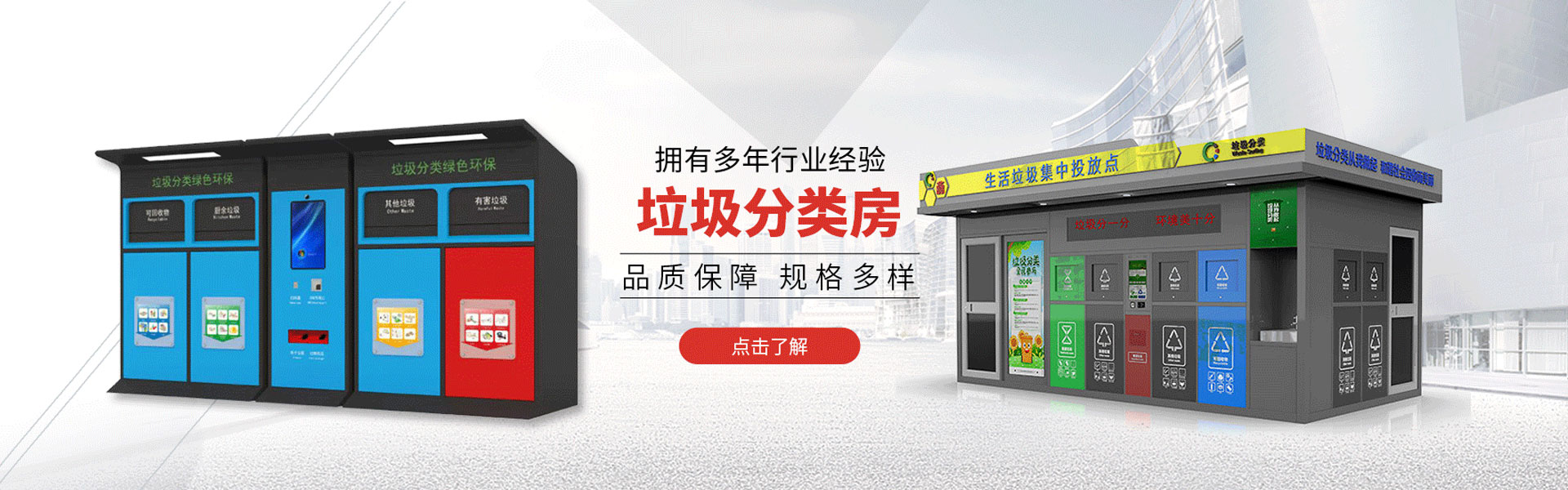
The pricing of waste sorting kiosks is primarily composed of five main factors:
I. Design
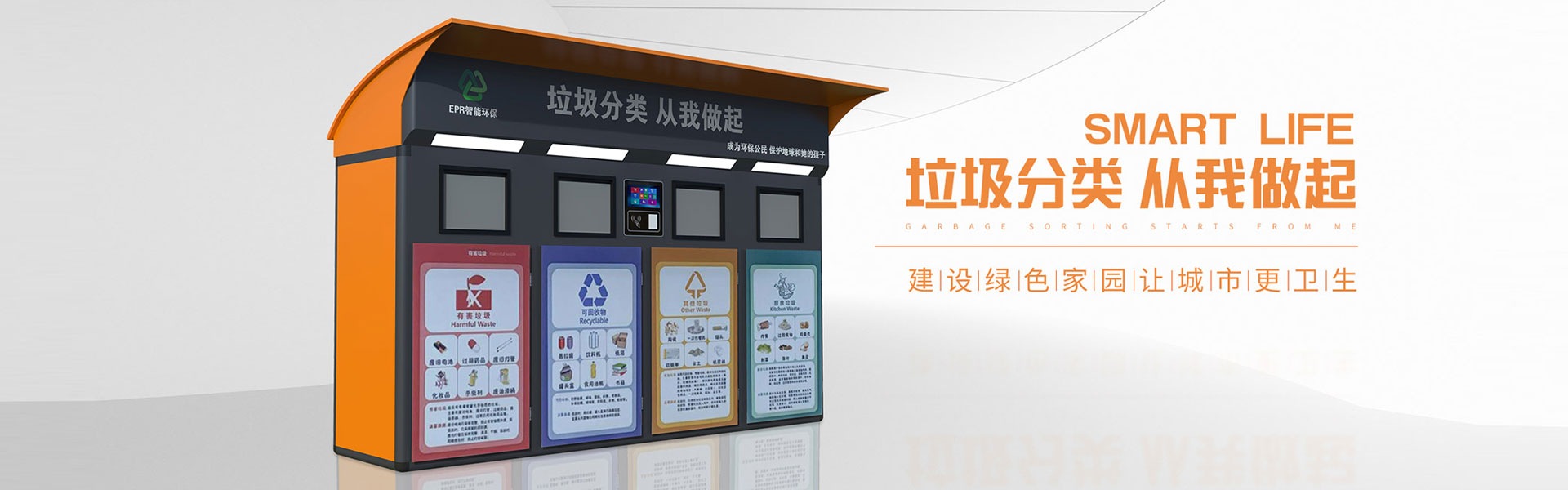
Typically, when dealing with complex patterns such as arched, irregular tube lattice, etc., the classification pavilion generates higher material and labor costs.
Material
Material is the fundamental factor determining the price of classification sheds. The thicker the material and the higher the specifications, the higher the material cost.
III. Manual Labor
In the manufacturing process of the sorting kiosks, human labor is responsible for bending, welding, sanding, packaging, and loading onto trucks. The higher the complexity of the sorting kiosk, the greater the labor cost.
Surface Treatment
1. Overall treatment typically includes high-temperature electrostatic powder coating and anti-corrosion fluorocarbon paint spraying, with the latter being more expensive.
2. Local treatments involve changing colors on a whole basis to create richer designs, usually achieved through screen printing or the application of this paint, with the latter being more expensive.
V. Accessories
The waste sorting pavilions offer great scalability, allowing for the addition of 360° surveillance cameras, solar panels, solar batteries, LED side lighting, and LED displays. With various quantities and specifications available, they hold a significant share in the price ratio of the pavilions.
In summary, the final price of the waste sorting kiosks is determined by five main factors: style, material, labor, surface treatment, and accessories. Customers can decide on their procurement positioning based on these five aspects.
