






What's the difference between aluminum-zinc plated steel and stainless steel?
(I) Conceptual Differences
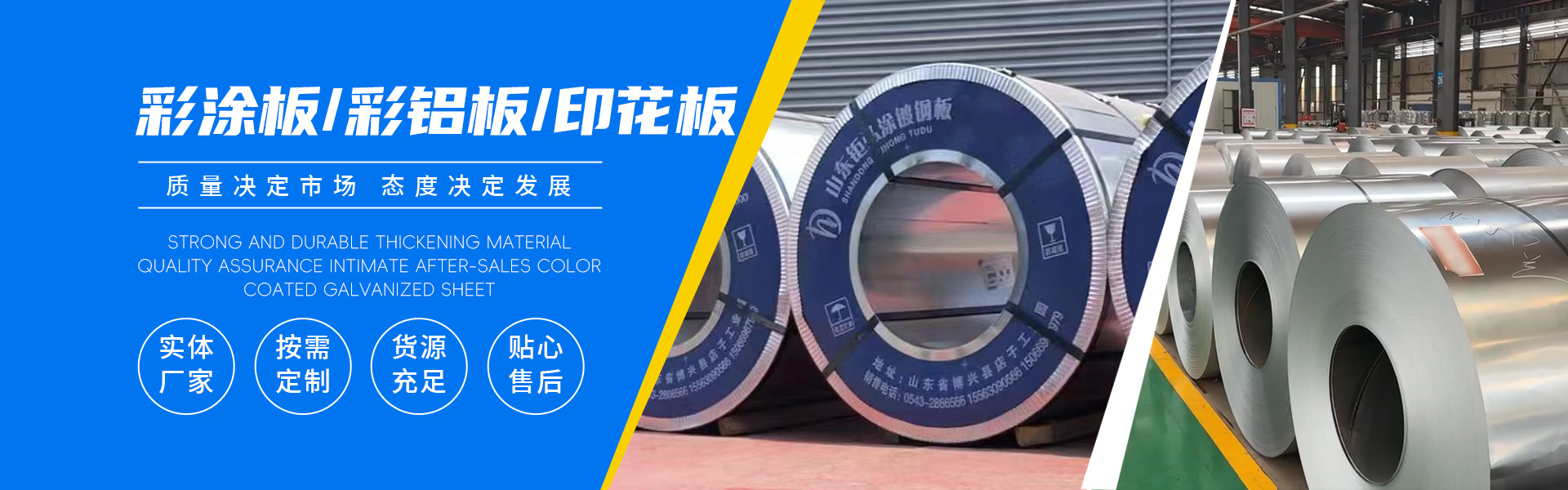
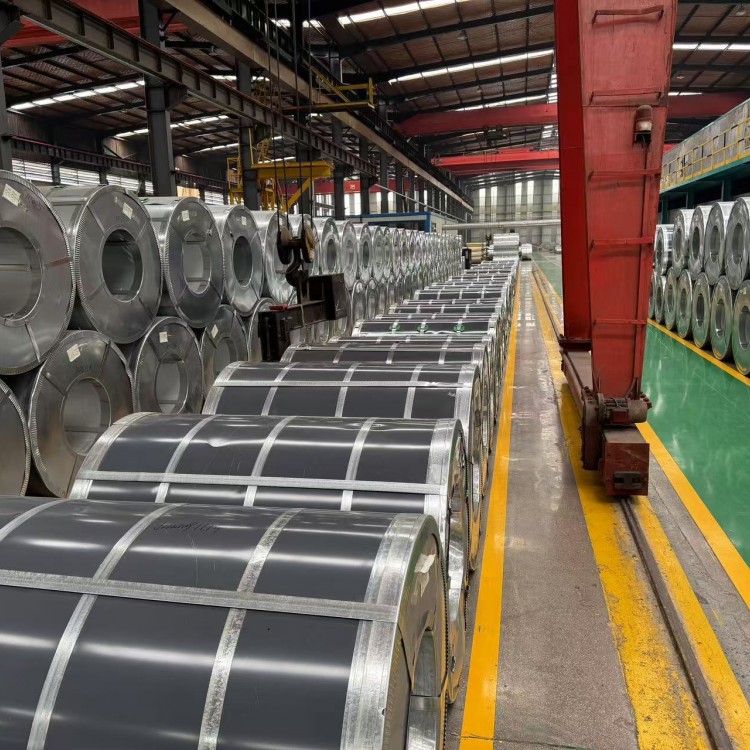
Galvanized aluminum steel sheet refers to a type of thin steel plate coated with a layer of zinc and aluminum to prevent corrosion on the surface and extend its service life. This zinc-coated steel plate is known as galvanized aluminum steel sheet.
2. Stainless steel refers to steel that is resistant to corrosion from mild corrosive media such as air, steam, and water, as well as from chemical corrosive media like acids, alkalis, and salts, and is also known as acid-resistant steel.
(II) Different Processing Techniques
1. Aluminum-zinc coating primarily involves applying a dense zinc-aluminum layer to the surface of steel to prevent oxidation.
2. Stainless steel is steel with additional metallic elements added to it, which undergoes structural changes internally, resulting in rust-free products. Examples include chrome stainless steel, chrome-nickel stainless steel, and chrome-manganese-nitrogen stainless steel, among others.
(D) Different Uses
1. Aluminum-zinc coated steel strip products are primarily used in industries such as construction, light industry, automotive, agriculture, aquaculture, and commerce. They are applied in building roof panels, roof grates, automotive accessories, home appliance back panels, gas stoves, air conditioners, and more.
2. Stainless steel is primarily used in the construction industry, being one of the high-strength materials for building metals. It is also applied in fields with stringent hygiene requirements, such as food processing, catering, brewing, and chemical industries.
(4) Surface Differences
1. Aluminum-zinc plated steel sheets typically feature small zinc flowers and a slightly white surface.
2. The surface of the stainless steel is smooth and plain without any patterns.
News Center Co., Ltd.
