

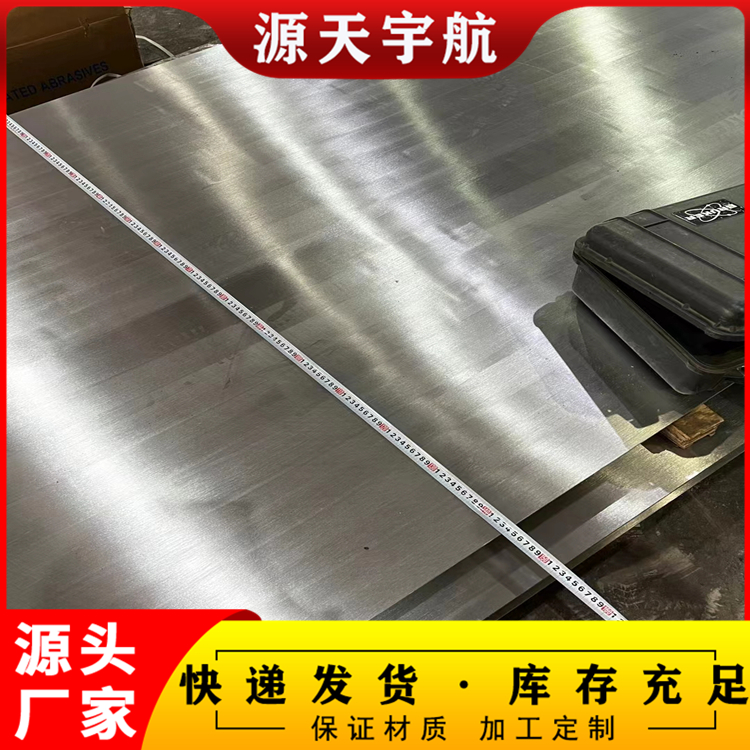
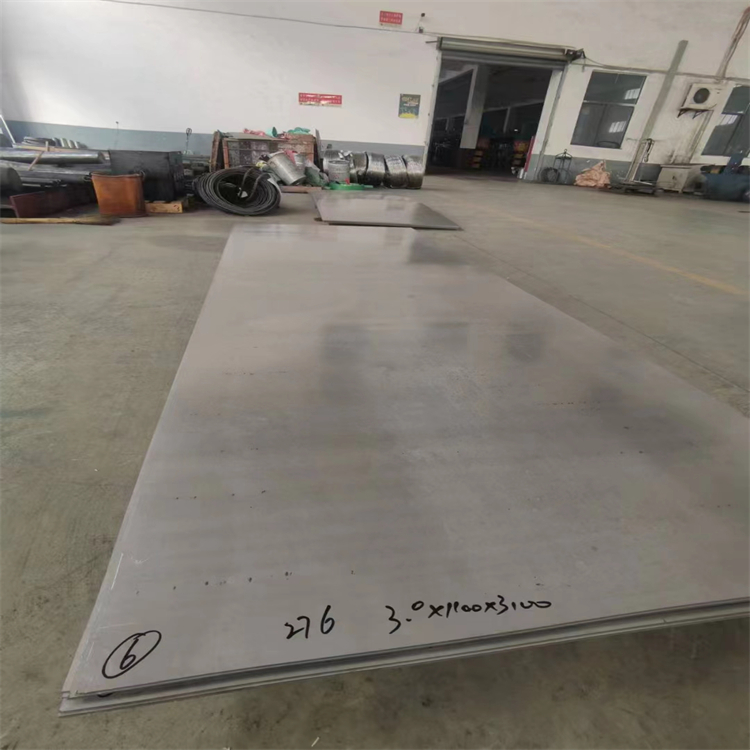
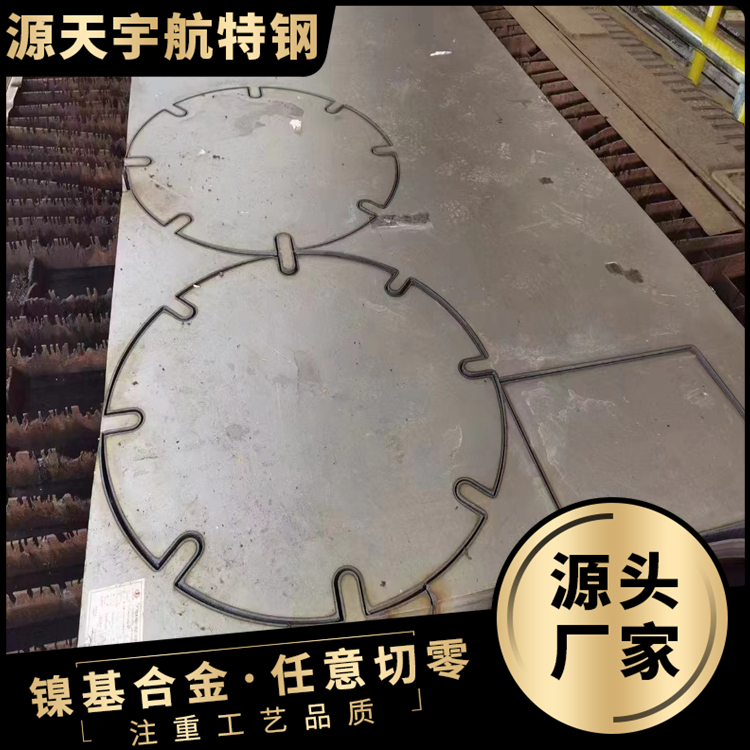
Widely used in the chemical and petrochemical industries, such as in components and catalytic systems contacting chloride-containing organic substances. This material is particularly suitable for use in high-temperature environments, mixed with impurities, and inorganic and organic acids (such as formic acid and acetic acid), as well as in seawater corrosion conditions.
Other Application Fields:
Pulp and paper industry equipment, such as cooking and bleaching vessels, scrubbers, reheaters, wet steam fans in FGD systems. Equipment and components operating in acidic gas environments, reactors for acetic acid and acidic products, sulfuric acid condensers.
Welding Parameters and Their Impact
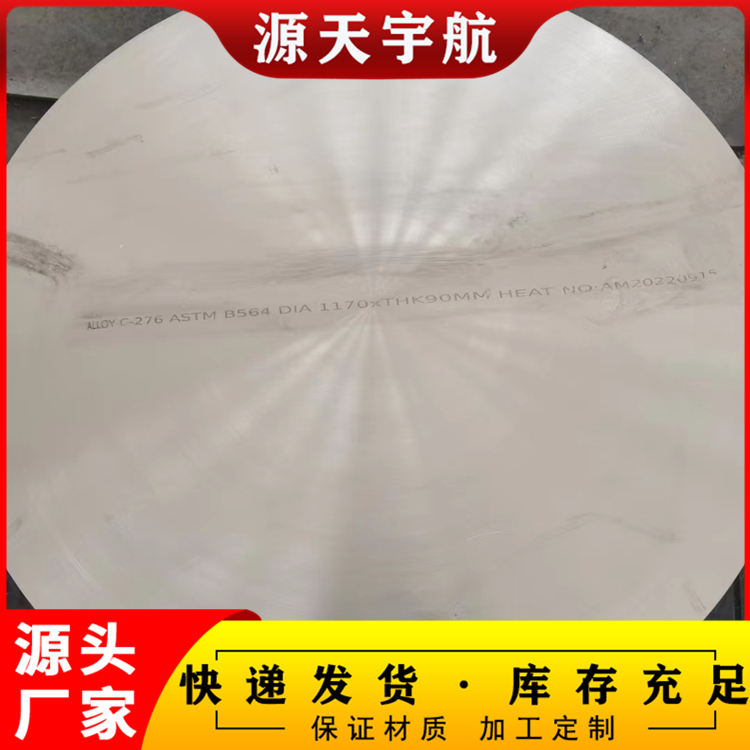
Welding operations should be conducted under specified low heat input, with interlayer temperatures not exceeding 120°C. Employ narrow welding bead techniques and pay attention to the correct selection of wire and rod diameters (please consult our welding laboratory). Based on these principles, welding parameters can be controlled to achieve the heat input per unit length as shown in Table-8.
Overview of Features and Application Fields
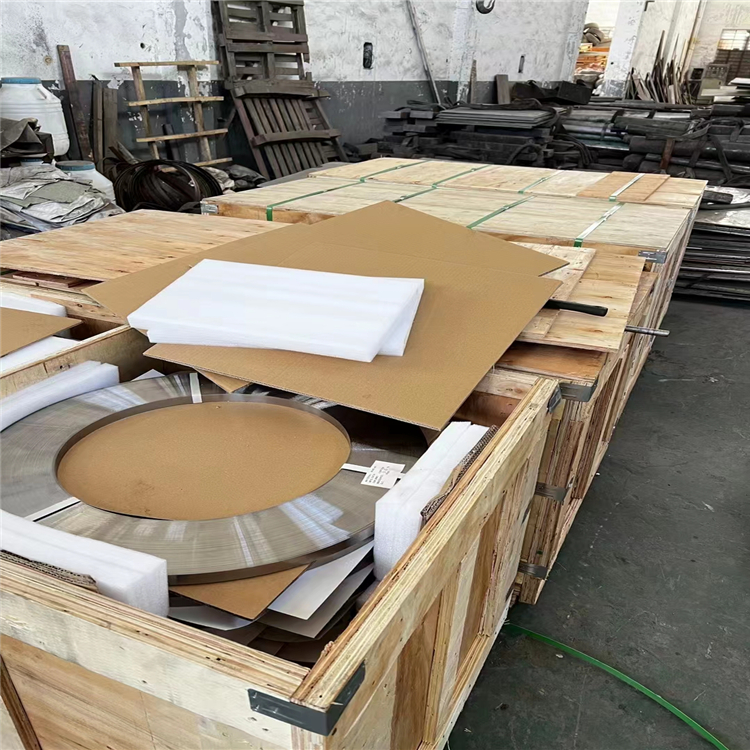
This alloy exhibits excellent corrosion resistance to most corrosive media in both oxidizing and reducing states. It boasts superior resistance to pitting, crevice, and stress corrosion cracking. Suitable for various chemical process industries involving oxidizing and reducing media. The higher molybdenum and chromium content allow the alloy to withstand chloride ion attack, while tungsten further enhances its corrosion resistance. Hastelloy C-276 is one of the few materials that can resist corrosion from damp chlorine, hypochlorites, and chlorine dioxide solutions. The alloy demonstrates significant resistance to concentrated chloride salt solutions, such as ferric chloride and copper chloride.
