


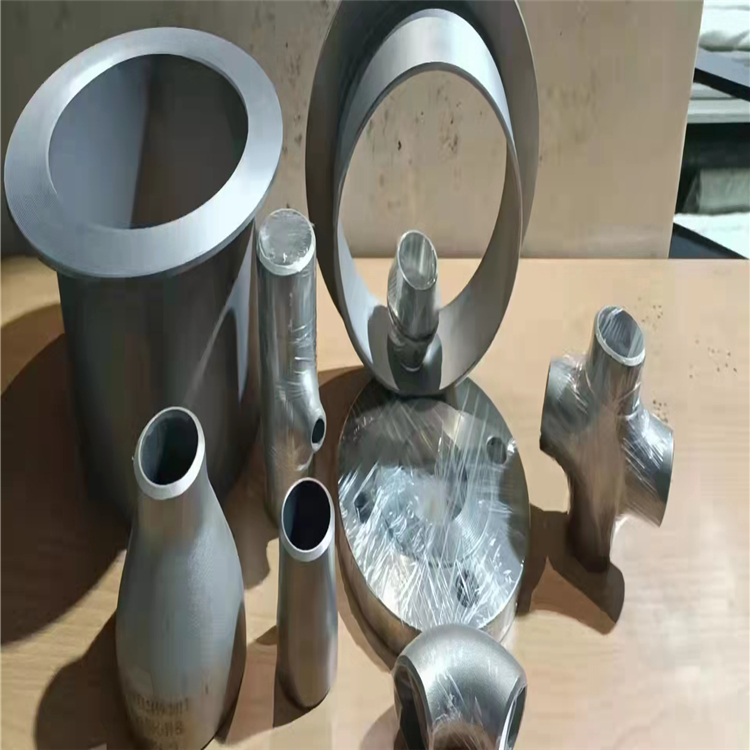
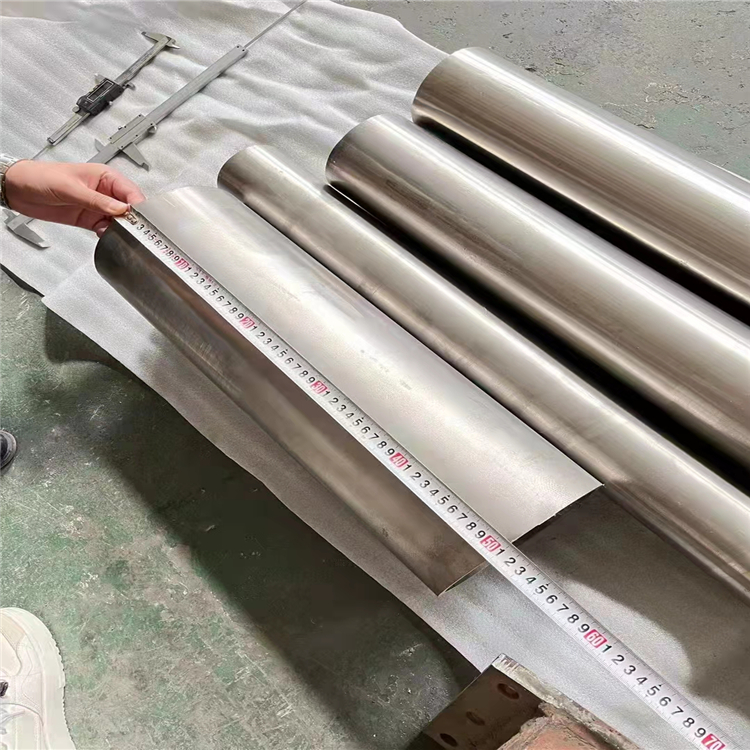
Titanium is a new type of metal, with its properties being related to the content of impurities such as carbon, nitrogen, hydrogen, and oxygen. Pure titanium iodide has an impurity content of no more than 0.1%, but it has low strength and high plasticity. The properties of 99.5% industrial pure titanium are: densityρ= 4.5 g/cm³, melting point 1725°C, thermal conductivityλ=15.24 W/(m·K), tensile strength σb = 539 MPa, elongation δ = 25%,断面收缩率 ψ = 25%, modulus of elasticity E = 1.078×10^5 MPa, hardness HB195.
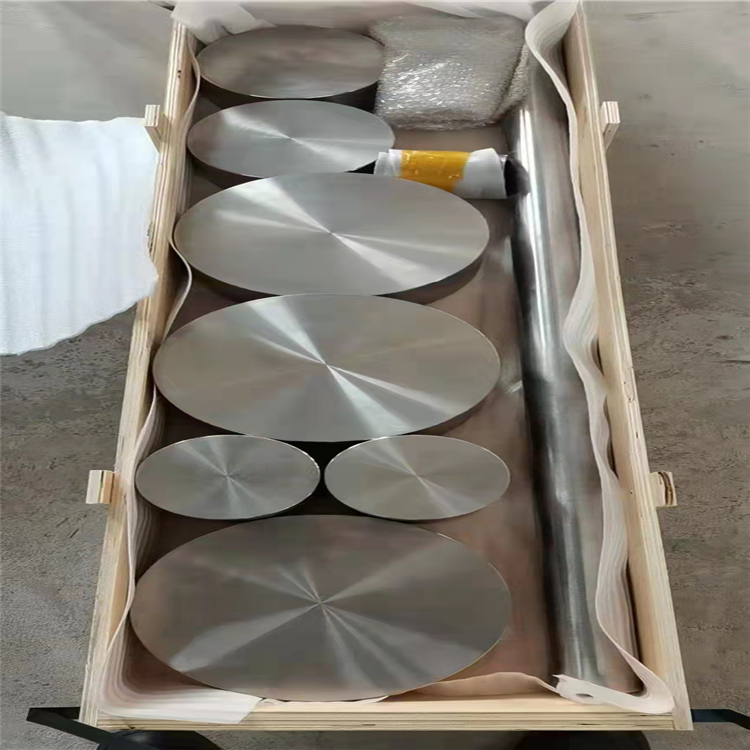
High strength
Titanium alloys generally have a density of around 4.51 g/cm3, which is only 60% that of steel. Some high-strength titanium alloys exceed the strength of many alloy structural steels. Therefore, the specific strength (strength/density) of titanium alloys is much greater than that of other metal structural materials, allowing for the production of lightweight, high-strength, and rigid components. Titanium alloys are used in aircraft engine components, frames, skins, fasteners, and landing gears.
High thermal intensity
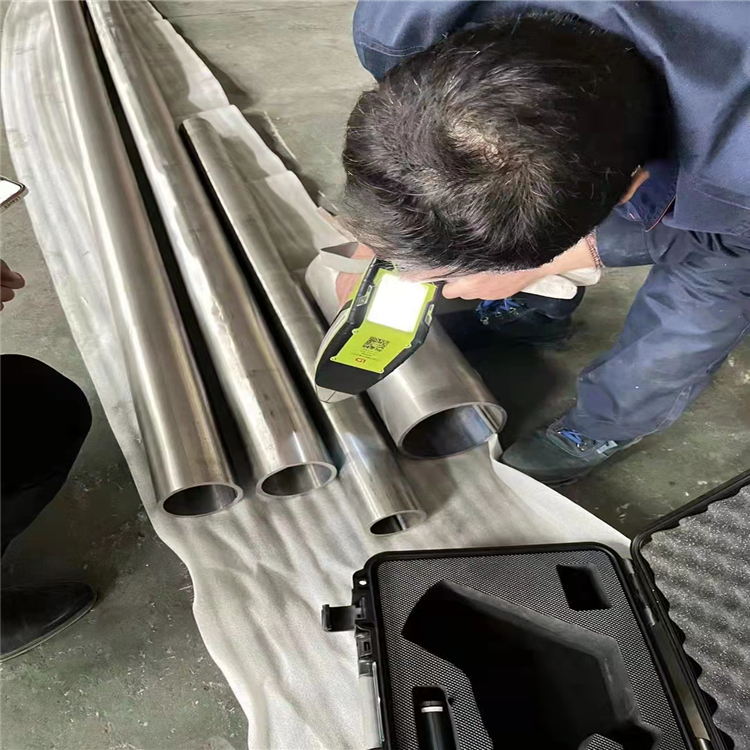
These titanium alloys can operate at temperatures hundreds of degrees higher than aluminum alloys, maintaining the required strength at moderate temperatures and can work continuously at temperatures between 450-500°C. They retain a high specific strength within the range of 150-500°C, whereas aluminum alloys show a significant drop in specific strength at 150°C. Titanium alloys can operate up to 500°C, while aluminum alloys are below 200°C.
Excellent corrosion resistance
Titanium alloys work in humid atmospheres and seawater, exhibiting superior corrosion resistance compared to stainless steel; they are particularly strong against pitting, acid corrosion, and stress corrosion. They also possess excellent resistance to alkalis, chlorides, organic chloride compounds, nitric acid, sulfuric acid, and more. However, titanium has poor corrosion resistance in environments containing reducing oxygen and chromate salts.
Excellent low-temperature performance
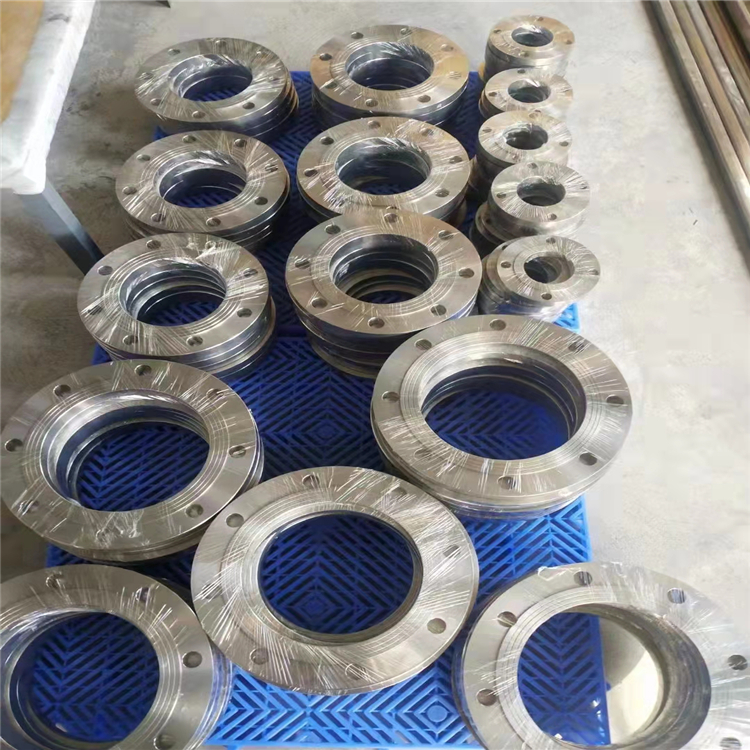
Titanium alloys maintain their mechanical properties at low and ultra-low temperatures. Titanium alloys with good low-temperature properties and low interstitial elements, such as TA7, can still retain a certain degree of plasticity at -253℃. Therefore, titanium alloys are also an important low-temperature structural material.
