
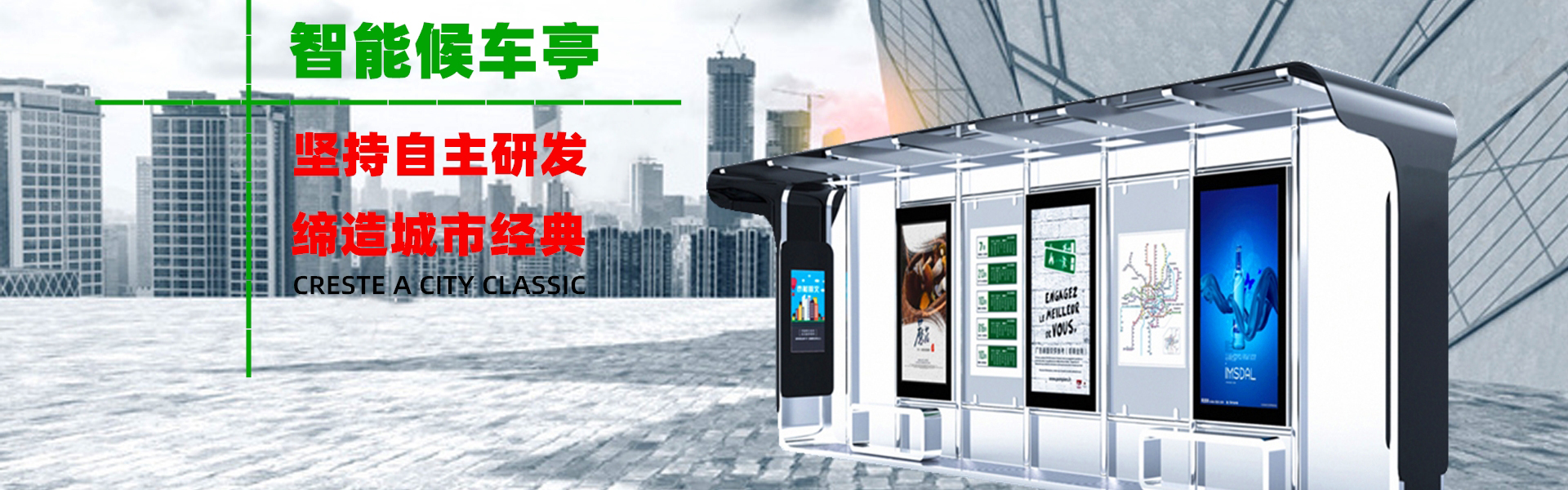

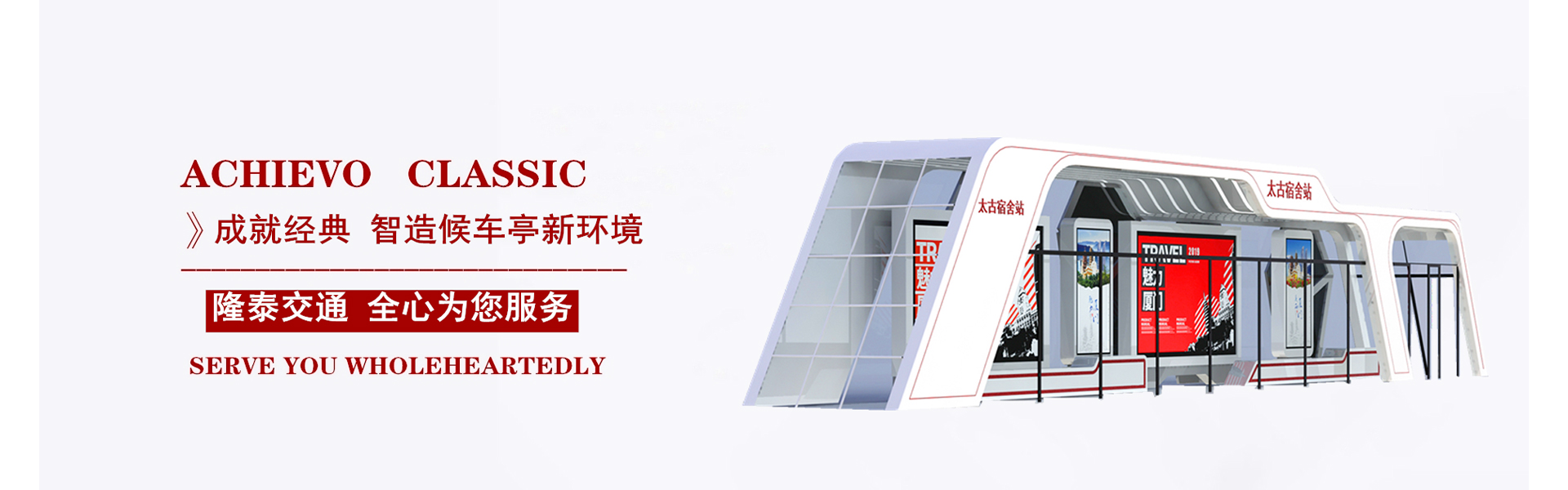

As cars have become the mainstream mode of transportation, buses are an indispensable part of the city. Bus stops, subway stations, parks, and other public places are gathering spots for residents. How to make bus shelters both attractive and functional, becoming a beautiful sight in the city, highlights the importance of design for bus shelter manufacturers.
The basic structure of a waiting shelter primarily includes: the canopy, frame, advertising display cases, and some auxiliary equipment (lighting facilities, benches, railings, trash bins, map and timetable frames, ATM machines, public telephones, etc.).
The design of waiting shelters must cater to passengers' needs for shelter from rain and sun, as well as for temporary rest. This is a fundamental requirement and the fundamental purpose of constructing waiting shelters.
Additionally, as an element of the urban public environment, the design of the waiting shelters has become one of the expressions of urban culture. The style characteristics and humanistic connotations of the city should be closely related to this indispensable urban element—the waiting shelters. Therefore, the design of waiting shelters cannot be considered as a standalone environmental space element; instead, it must be integrated with various aspects such as urban style, culture, history, and development to truly reflect the city's characteristics.
Bus shelters are closely related to people's daily lives, and their design must be combined with the theory of humanized design. Emphasis should be placed on the development and utilization of the additional functions of bus shelters.
Energy efficiency and environmental protection have always been hot topics in public facilities. The application of solar panels enables Huazhan bus stops to achieve an entire self-sufficient energy system for their advertising light boxes and night lighting facilities.
