


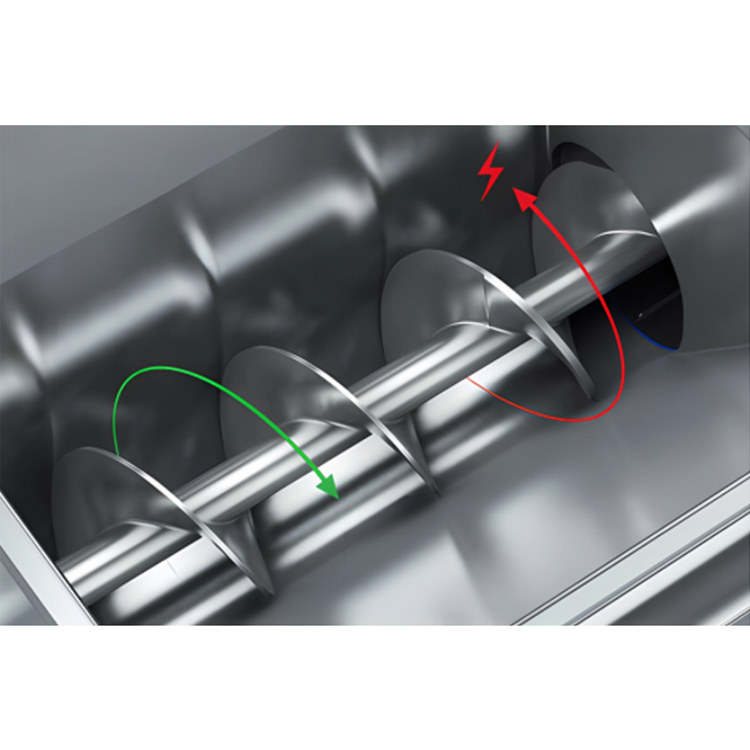
The screw conveyor, also known as a auger, receives controlled feed from upstream equipment (such as a screw feeder or a rotary valve) and is a mechanical device that uses a driving unit to rotate the screw, pushing the material to achieve the conveying purpose.
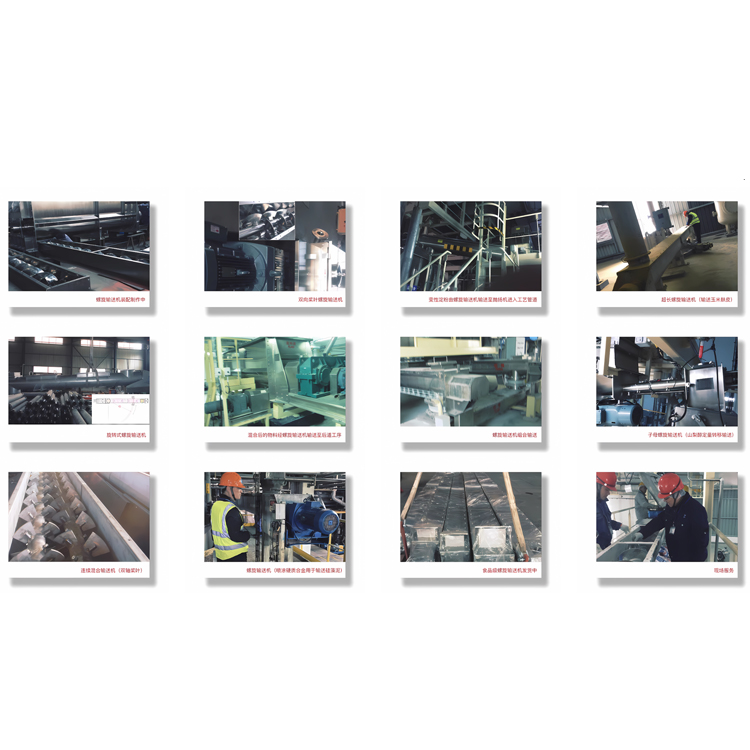
Screw conveyors are divided into two types in terms of conveying form: shafted screw conveyors and shaftless screw conveyors, and into U-shaped screw conveyors and pipe-type screw conveyors in terms of appearance. Shafted screw conveyors are suitable for dry powdery materials and small particle materials without adhesiveness, while shaftless screw conveyors are ideal for conveying materials that are sticky and prone to tangling. They can transport horizontally, inclinably, or vertically, offering advantages such as simple structure, small cross-sectional area, good sealing, easy operation, easy maintenance, and convenient enclosed transport.
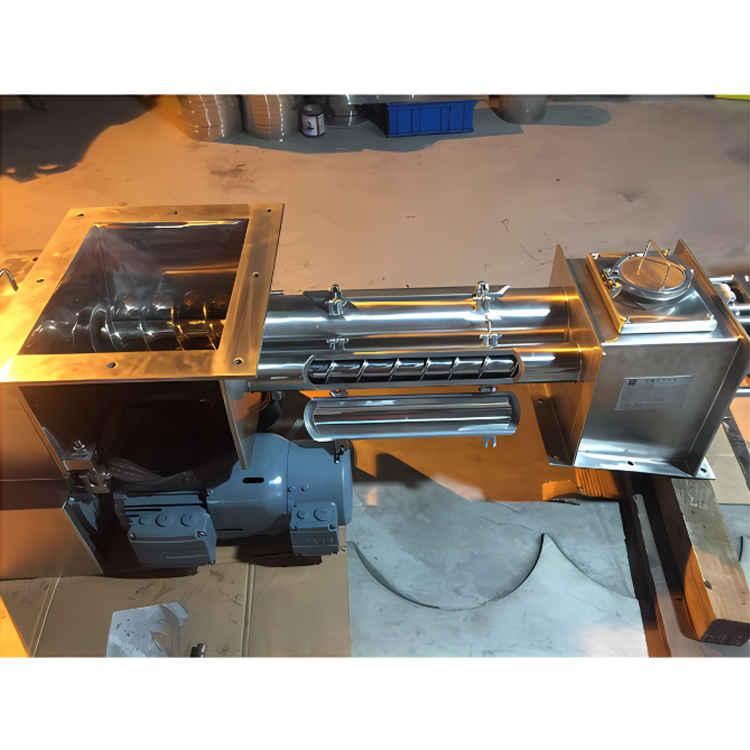
The components of the KSC Screw Conveyors are actually not many, mainly divided into three major parts: the body of the screw conveyor, the inlet and outlet devices, and the drive unit. The screw body is mainly composed of the head section, middle section, tail section, spiral shaft, and spiral blades. The inlet and outlet devices are set at the head and tail of the machine according to customer requirements; the drive unit consists of a motor, reducer, and coupling, etc.; the feeding opening can be customized into round or square openings.

