
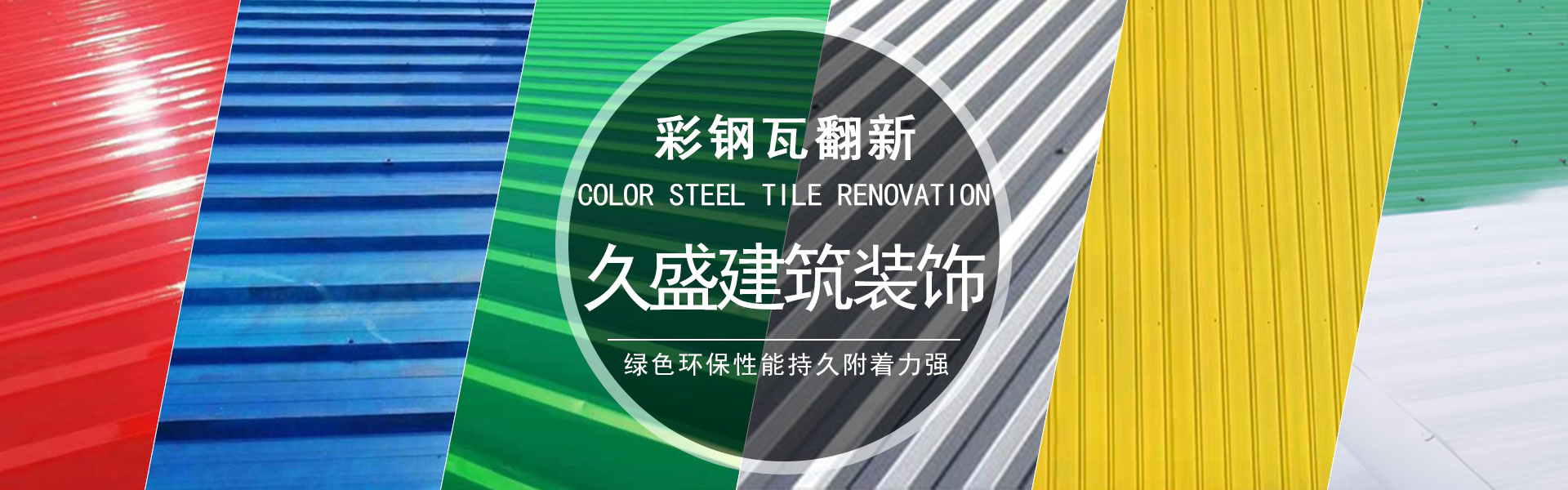
 Galvanized steel tile renovation construction
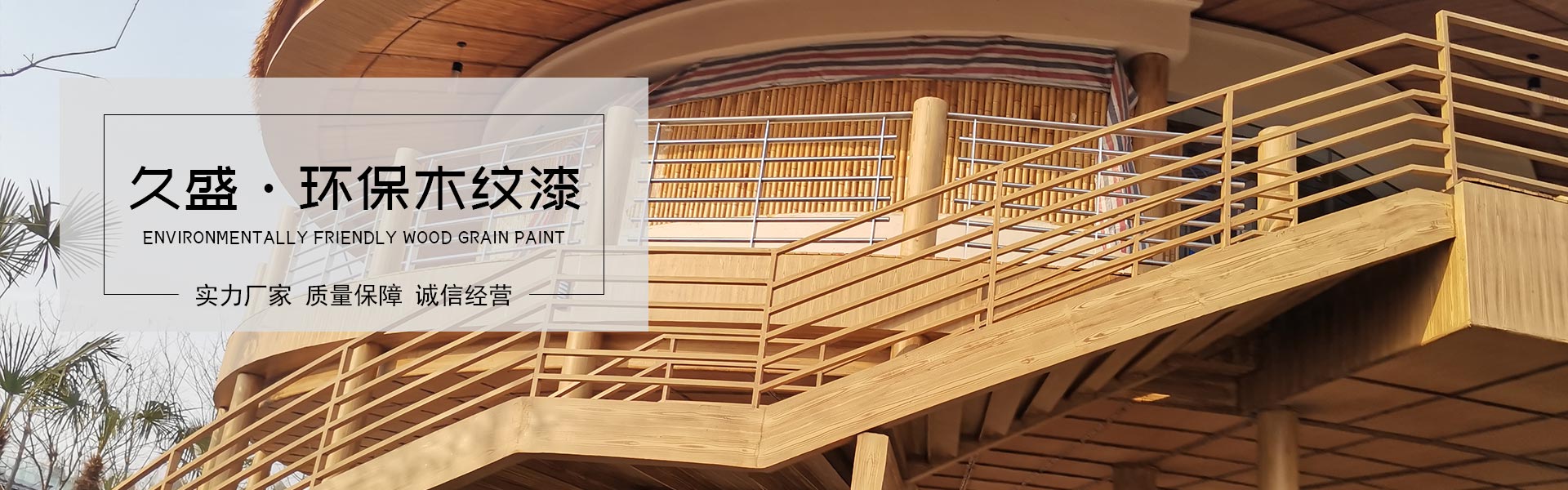
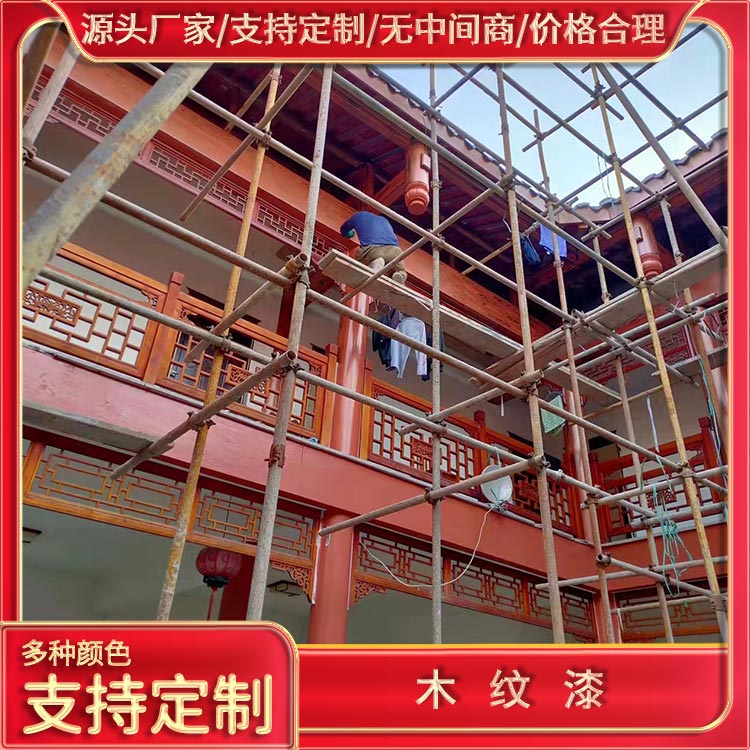 Antique architectural wood grain lacquer
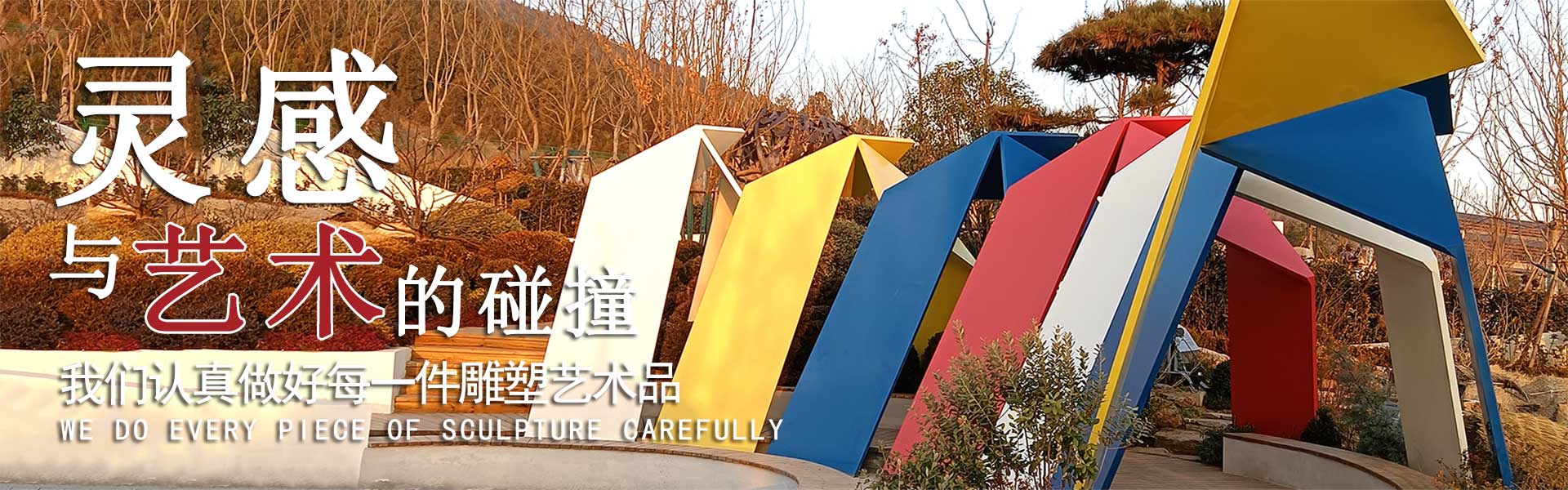
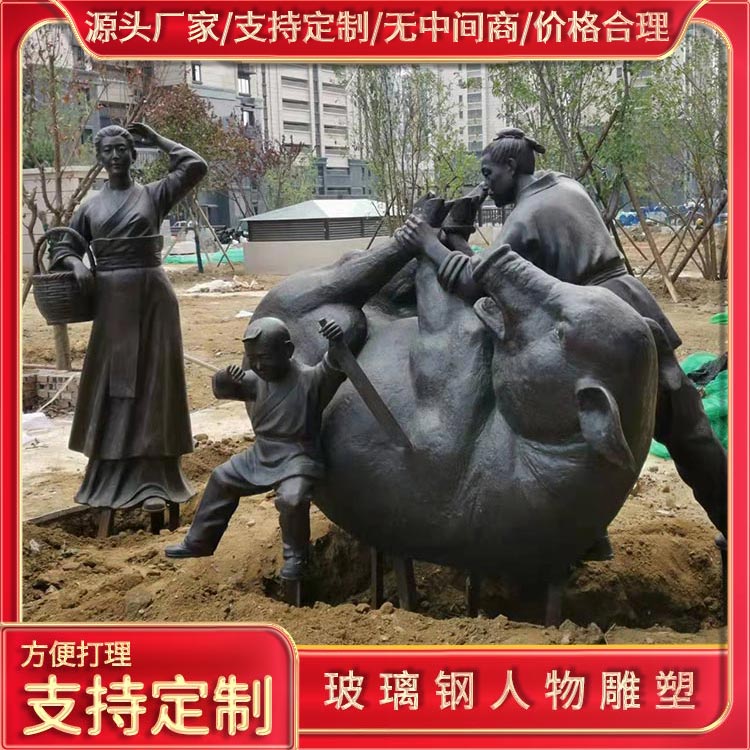 Fiberglass Human Sculpture
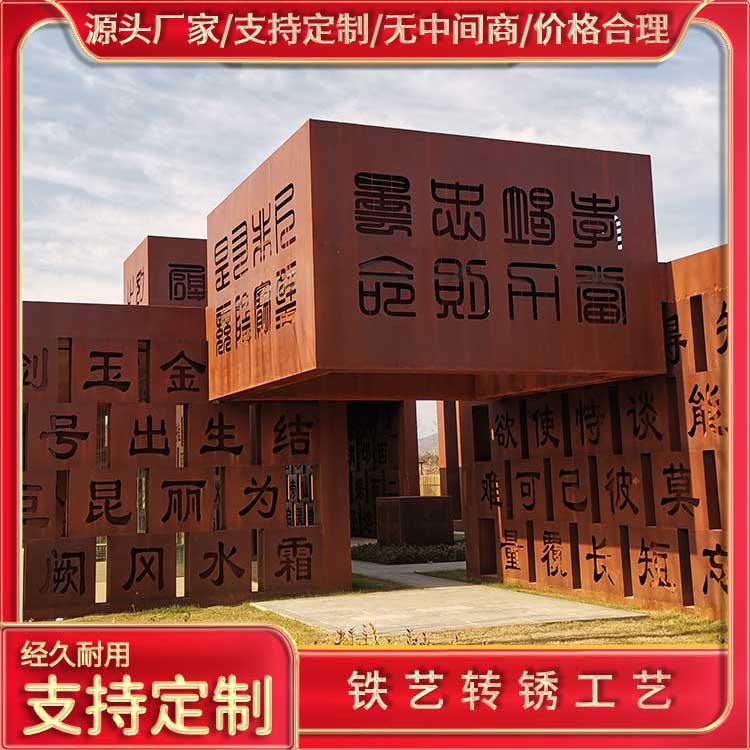 Iron Art Rusting Technique
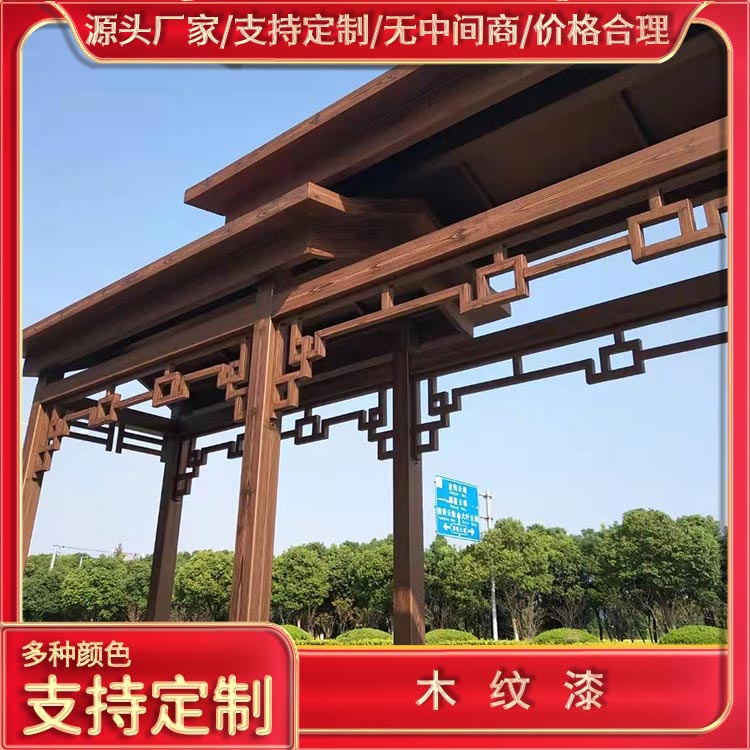 Platform wood grain lacquer
 Steel structure canopy with wood grain paint
 Dining Wood Grain Paint
Product Details


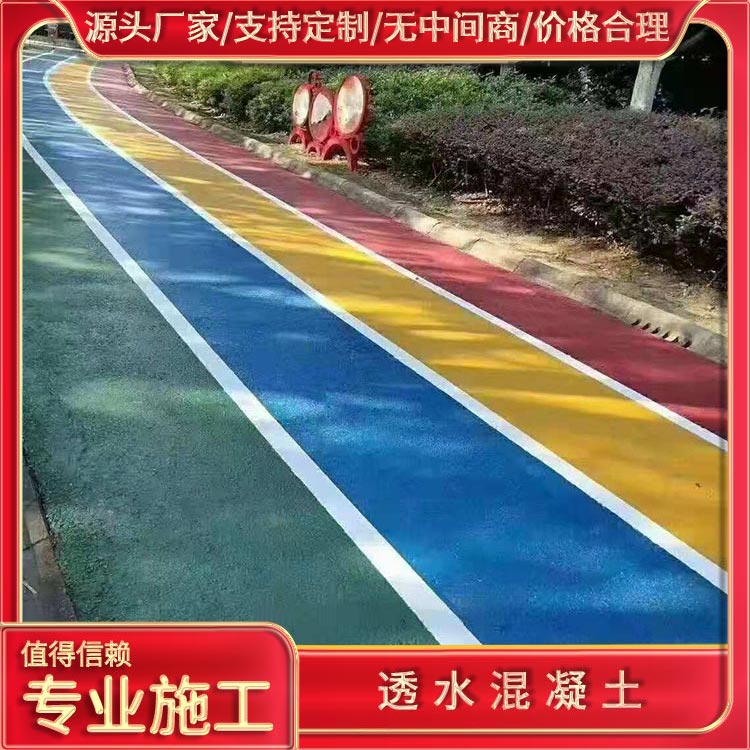
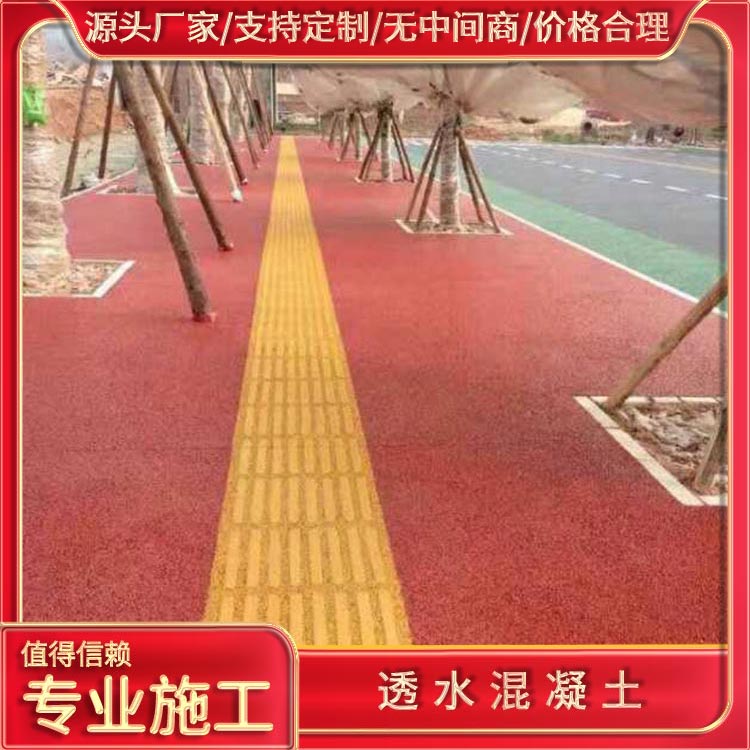
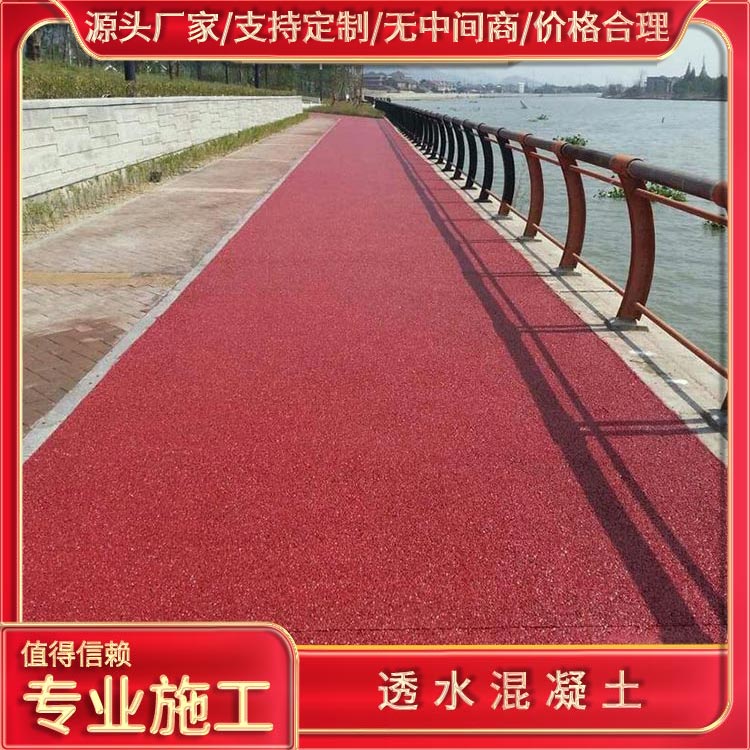
产品Price 10.00/square meters
最小起订Quantity:10 square meters 供货总Quantity: 10000 square meters


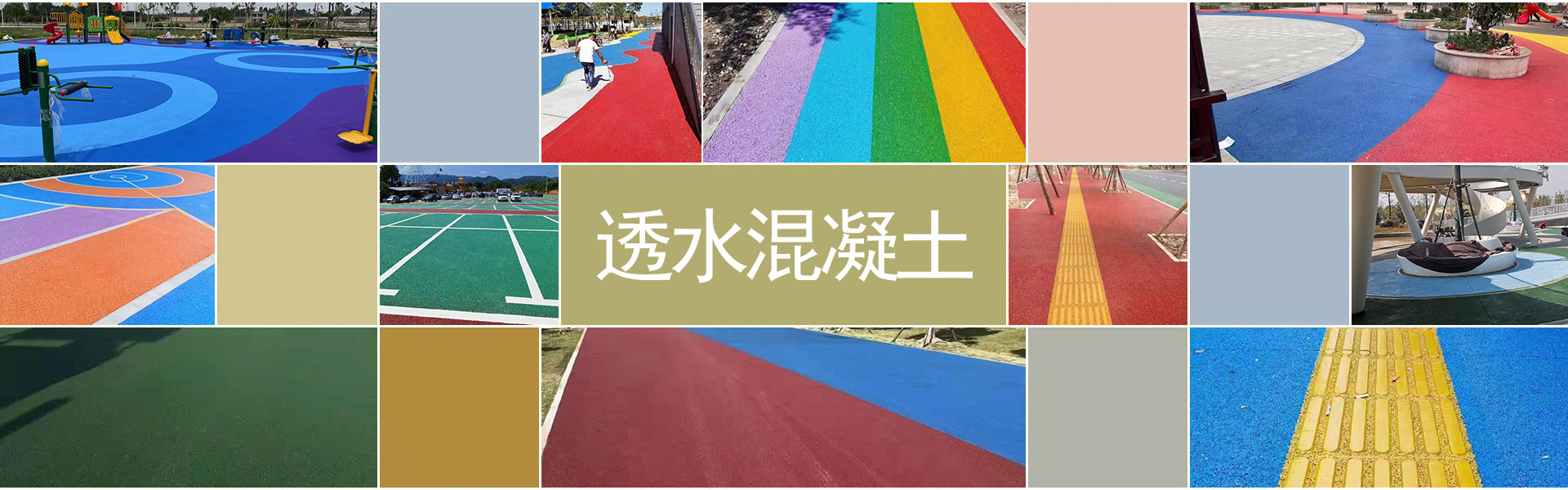
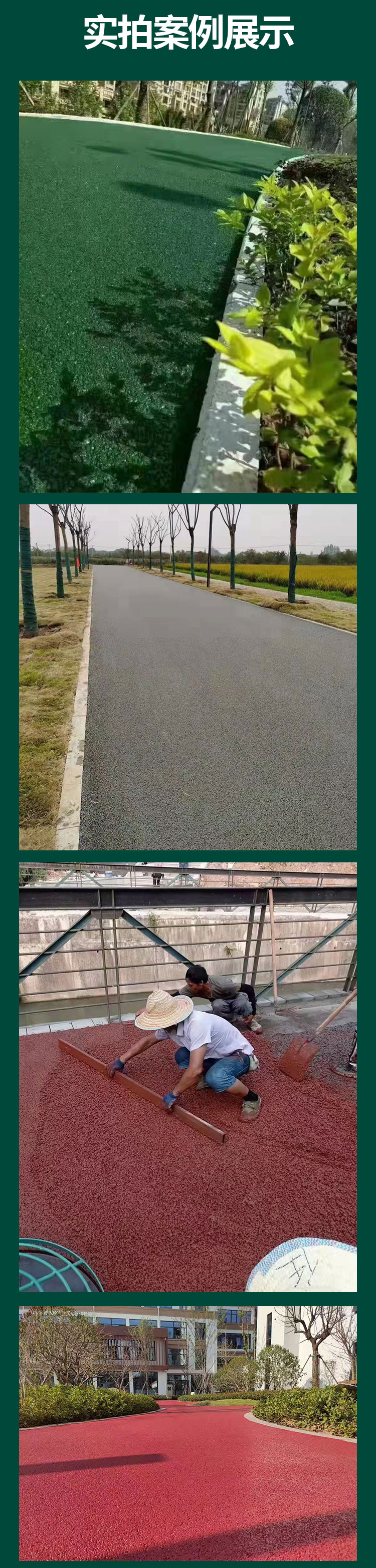
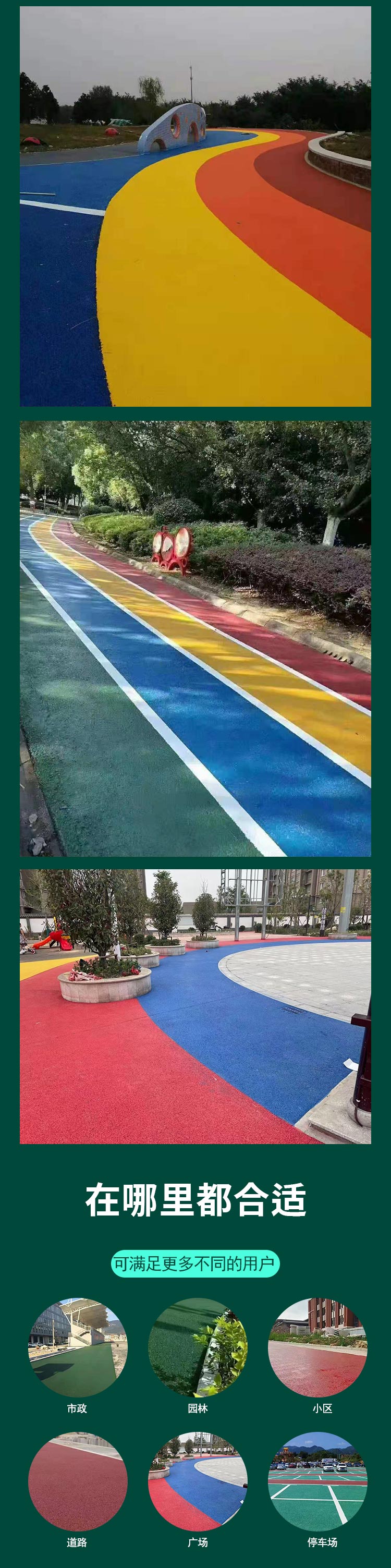
Porous concrete is a paving material developed and used by countries such as Europe, the United States, Japan, and others to address the defects in the surfaces of original urban roads. This material allows rainwater to seep into the ground, effectively replenishing groundwater and alleviating urban environmental issues such as rapid groundwater level decline. It also effectively eliminates the harmful effects of pollutants like oil compounds on the environment, protects groundwater, maintains ecological balance, and relieves urban heat island effects. It holds significant importance for the benign development of human living environments and in urban rainwater management and water pollution prevention efforts. The permeable concrete system comes with a range of color formulas, designed to complement creative designs and accommodate various decorative styles tailored to different environments and personal preferences. This is a specialized paving material that cannot be achieved with traditional paving or standard permeable bricks. Permeable concrete has been researched and utilized in the United States since the 1970s and 1980s. Many countries have been widely promoting its use, with Germany anticipating that 90% of its roads will be converted to permeable concrete in the short term. This aims to alter the past practices of ground paving that destroyed urban ecosystems, thereby achieving extensive social benefits for permeable concrete pavements. Prepare Porous concrete must meet strength requirements while maintaining a certain amount of interconnected voids for permeability. Therefore, in its preparation, aside from selecting suitable raw materials, it's essential to achieve the balance of strength and porosity through mix design, manufacturing process, and the use of additives. Porous concrete is composed of aggregates, cement, and water, often using monomial or discontinuous grade coarse aggregates as the framework, with the amount of fine aggregates generally kept to less than 20% of the total aggregates. Cement options include slag cement, ordinary slag cement, and portland slag cement; admixtures can include silica fume, fly ash, and slag fines. During batching, first add cement, admixtures, and coarse aggregates, then half of the water and mix for 30 seconds. Next, add additives (such as admixtures and pigments) and mix for 60 seconds; finally, add the remaining water and mix for 120 seconds before discharging. Construction The construction of permeable concrete primarily includes processes such as laying, forming, surface treatment, and joint handling. It can be laid using either mechanical or manual methods; forming can be done with flat vibrators, vibration rollers, manual push-pull rollers, and vibration leveling beams. Surface treatment is mainly to enhance the aesthetic appearance, involving the trimming or cleaning of the formed permeable concrete surface. The setting of joints in permeable concrete pavements is similar to that of regular concrete, with contraction joints spaced evenly, not exceeding 6 meters apart. Maintenance After the permeable concrete construction, cover it for maintenance. Keep it moist by watering for at least 7 days, and prevent the concrete surface pores from being polluted by mud and sand during maintenance. Daily maintenance includes regular sweeping and cleaning of pore sealing. Cleaning sealed pores can be done using air blowers, high-pressure washing, or vacuum sweeping methods. High permeability Porous pavement features 15%-25% voids, enabling permeable rates up to 31-52 liters/meter/hour. High load-bearing capacity After national testing authority certification, the load-bearing capacity of the permeable pavement fully meets the standards of C20-C25 concrete, exceeding that of ordinary permeable bricks. Decorative effect Porous paving comes with a color optimization formula, enabling it to complement the unique creativity of designers and achieve the decorative style required by different environments and personalities. This is something that is difficult for conventional porous bricks to accomplish. Ease of maintenance The concern about pore clogging is unwarranted; the unique permeable paving system allows for easy resolution simply through high-pressure water washing. Frost-heave resistance Porous paving has a stronger frost-thaw resistance than regular concrete surfaces, as it won't crack due to frost-thaw cycles, thanks to its larger pores. Durable The permeable paving has superior durability and wear resistance compared to asphalt, similar to that of ordinary paving, thus avoiding the drawbacks of shorter lifespan and economic inefficiency commonly found in traditional permeable bricks. High thermal conductivity The low density of the material itself (15-25% voids) reduces its heat storage capacity. The unique pore structure allows lower ground temperatures to permeate to the surface, thereby lowering the overall temperature of the paved area. These features make the permeable paving system similar to the heat absorption and storage functions of naturally vegetated ground. Fatigue Strength Due to the use of open graded mix, the fatigue resistance is relatively low. Eco-permeable concrete is a composite material made by mixing cement, water, and permeable concrete reinforcing admixtures (binders) with high-quality aggregates of the same particle size or intermittent gradation. When used to create concrete pavements, slopes, and their products, it offers drainage, anti-slip, noise absorption, noise reduction, and permeability effects, which can improve the ecological cycle of the land surface, enhance traffic safety, protect the living environment, and mitigate the negative impacts brought about by large-scale modern urban construction. Engineering practice has proven that permeable concrete is a new type of multifunctional paving material. Permeable cement concrete refers to concrete with a porosity of 15-25%, also known as sandless concrete. As humans place increasing emphasis on improving the ecological environment and protecting our homes, permeable cement concrete is gaining more and more applications. Permeable cement concrete is particularly suitable for use on ground and road surfaces in urban parks, residential communities, industrial parks, sports fields, schools, parking lots, and more. This is because using permeable cement concrete offers the following advantages: Permeable cement concrete refers to concrete with a porosity of 15% to 25%, also known as sand-free concrete. As humanity places increasing emphasis on improving the ecological environment and protecting our homes, permeable cement concrete is also gaining more widespread application. Permeable cement concrete is particularly suitable for use on ground and road surfaces in urban parks, residential communities, industrial parks, sports stadiums, schools, parking lots, and more. The advantages of using permeable cement concrete include: Permeable concrete 1) Increase the permeable and breathable areas in cities, enhance the heat and moisture exchange between the surface and air, regulate the urban climate, lower surface temperatures, and alleviate the urban "heat island" phenomenon. This benefits the growth conditions of ground plants and soil microorganisms, and adjusts the ecological balance. 2) Fully utilize rainfall and snowfall, increase the relative humidity of the surface, replenish the increasingly depleted groundwater resources in urban areas, and utilize the permeable subgrade as a "reservoir" function. 3) Significantly reduces the burden on road drainage systems during the rainy season, markedly lowering the pollution of urban water bodies caused by heavy rain. 4) Absorbs noise generated by vehicle travel, creating a quiet and comfortable living and traffic environment, prevents road surface water accumulation during rain and reflects less at night. 5) Offers excellent wear and slip resistance, effectively preventing slippage for pedestrians and vehicles, enhancing the comfort and safety of driving and walking. 6) No black ice (a nearly invisible thin layer of ice formed by frost fog) will form on the road during winter, enhancing the comfort and safety of vehicle and pedestrian traffic. 7) Large voids can absorb urban pollutant dust, reducing dust pollution. 8) Patterns and colors can be designed according to environmental and functional requirements, ensuring a perfect blend with the surrounding environment. 1) Increase the permeable and breathable areas in cities, enhance the heat and moisture exchange between the surface and air, regulate the urban climate, reduce surface temperatures, and benefit in alleviating the "urban heat island" phenomenon, improving the growth conditions for ground plants and soil microorganisms, and adjusting the ecological balance.
2) Fully utilize rain and snowfall, increase the relative humidity of the surface, replenish the increasingly depleted groundwater resources in urban areas, and utilize the permeable subgrade as a "reservoir" function. 3) Eases the burden on road drainage systems during the rainy season, significantly reducing the pollution of urban water bodies from heavy rains. 4) Absorbs noise generated by vehicle travel, creating a quiet and comfortable living and traffic environment, preventing road water accumulation during rain and reflecting light at night. 5) Features excellent wear and slip resistance, effectively preventing skidding for pedestrians and vehicles, enhancing both comfort and safety for drivers and walkers. 6) Winter black ice (a nearly invisible thin layer of ice formed by frost fog) will not form on the road surface, enhancing the comfort and safety for vehicles and pedestrians. 7) Large voids can absorb urban pollutant dust, reducing dust pollution. 8) Patterns and colors can be designed to suit the environment and functional needs, ensuring a seamless integration with the surrounding area.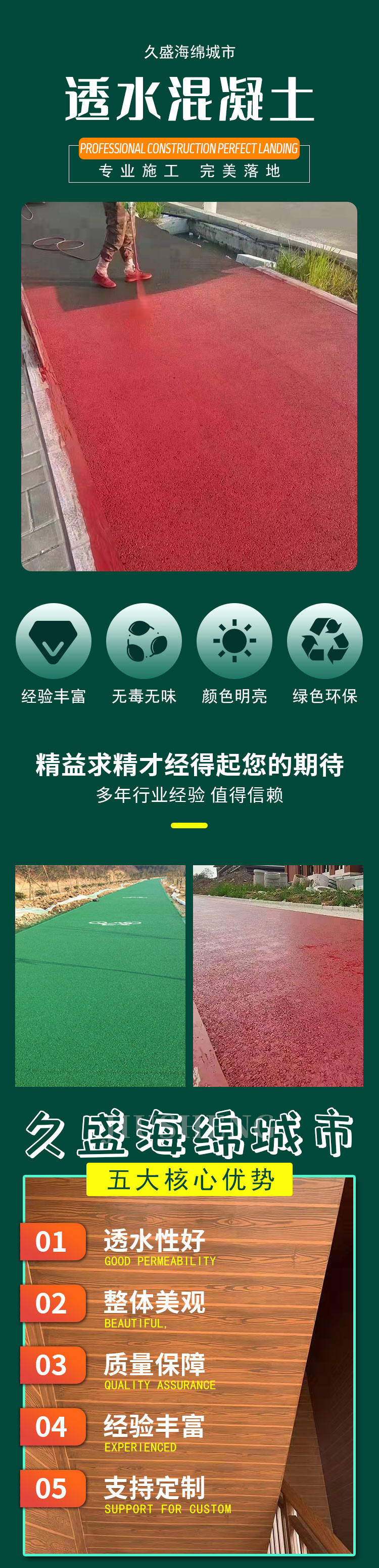

Phone Consultation