



 通过中商114认证

Due to the depletion of natural sand resources and the soil erosion and water pollution caused by sand mining, many regions are increasingly aware of the importance of maintaining soil and beautifying the environment, and have implemented strict measures to control the mining of construction sand. With the widespread application of sand aggregates, natural sand can no longer meet market demand, and manufactured sand has become the primary source of sand.
Since the 1990s, there have been a certain number of artificial sand production lines in many places. The production of manufactured sand faces issues such as raw material utilization, the adaptability of sand to concrete, sand grading, composition of sand particles, dust during the sand process, and the content of sand powder, which are problems that each manufactured sand production enterprise should address. The author proposes their own solutions for controlling the powder content of manufactured sand, the phenomenon of sand grading during storage and transportation, and how to use a separator to remove powder during the separation process.
The process of limestone being processed into sand inevitably produces a certain amount of fine powder. A higher content of powder in the sand increases the water requirement for concrete, affecting its performance and raising costs. Conversely, a lower content of powder in the sand reduces the density of concrete, also impacting its performance and increasing costs. This necessitates that the powder content in the sand can be controlled within a certain range during the production process, and national standards have also made strict regulations on the powder content of manufactured sand.
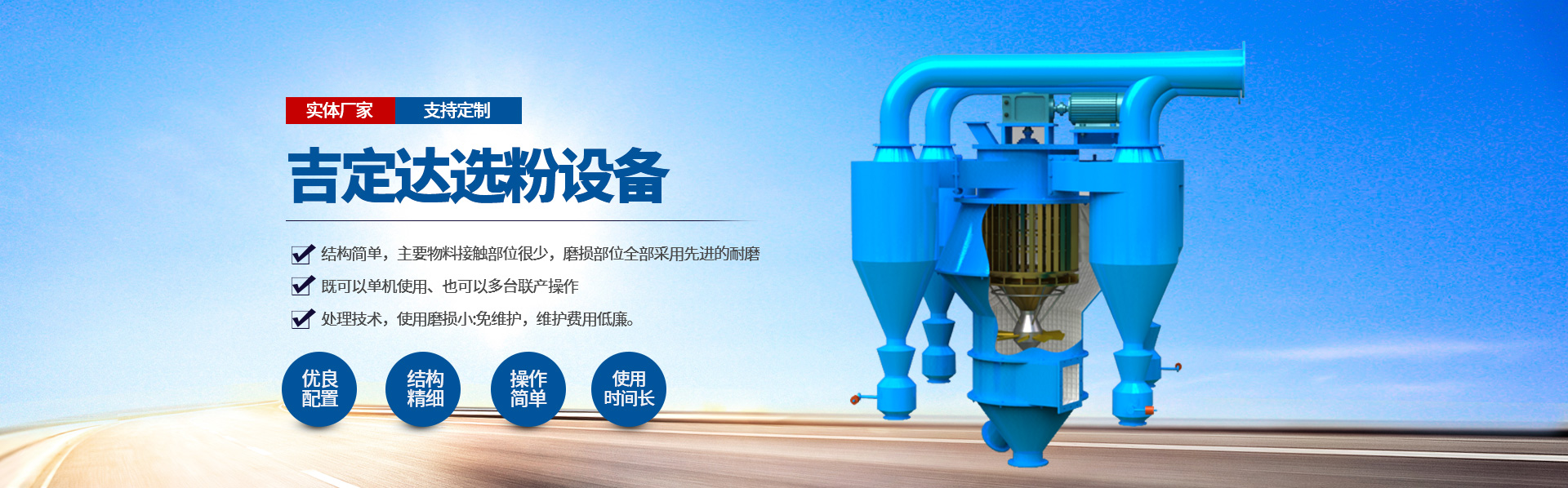
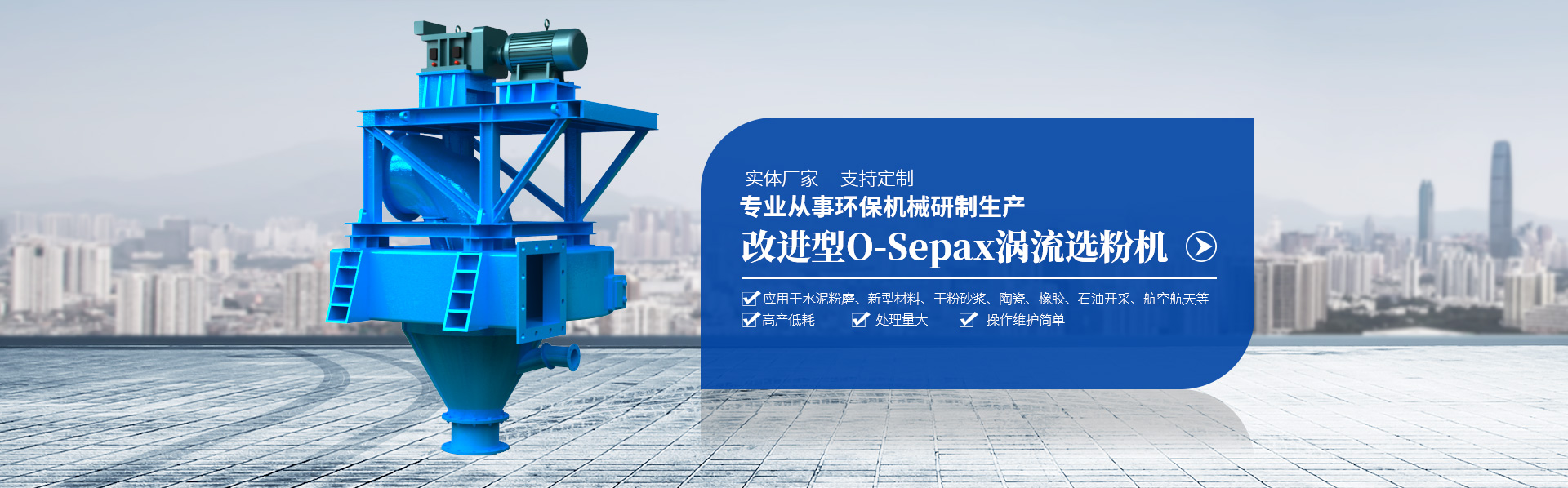
Limestone is crushed and then fed into the sand making machine. The material from the sand making machine enters the vibrating screen, with coarse material returning to the sand making machine. Fine material (including powder) is conveyed into the classifier via a mixing hoist. The fine powder is collected through four cyclone dust separators and then transferred to the fine powder storage via a fine powder hoist. The finished sand is discharged from the coarse powder outlet, into the wetting machine.
Maintaining a controlled moisture content ensures sand remains unclassified during storage and transportation, with no dust spillage. When the airflow of the classifier is fixed, the higher the rotor speed, the greater the amount of powder in the sand; conversely, the lower the speed, the less powder content. The owner can adjust the powder content in the sand to a desired range.
