

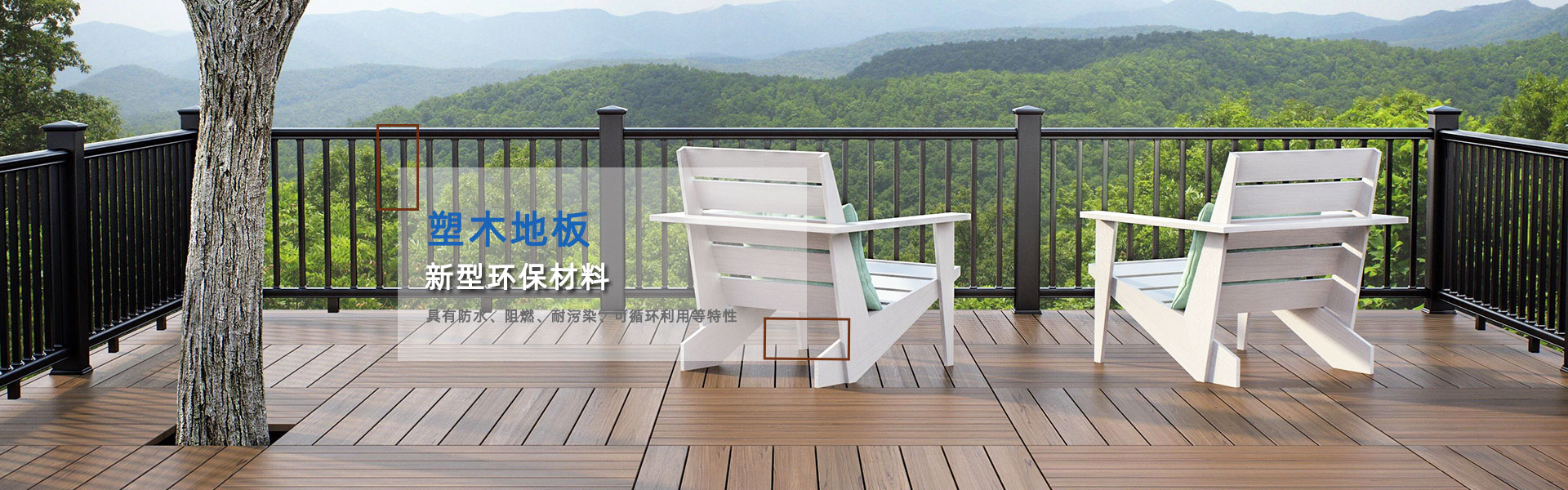


In terms of semantics, wood-plastic flooring and antistatic flooring differ by just one character—the former emphasizes prevention, while the latter focuses on resistance. Outdoor flooring must withstand the varied weather conditions and drastic temperature changes. It needs to be highly stable, corrosion-resistant, and strong in compressive strength, addressing the environmental requirements of outdoor flooring in special conditions. The processing machinery for wood-plastic wall panels and composite materials requires feeding equipment, drying equipment, extrusion equipment, and molding equipment, along with necessary downstream equipment such as cooling water tanks, pulling equipment, and cutting equipment. Plastic wood decks inherit the aesthetic of solid wood, offering various sizes, models, and colors for selection. They can produce different wood grain textures according to customer requirements and can be easily adjusted in length. From a general way of thinking, 'prevention' implies a proactive measure, whereas 'resistance' denotes confrontation—therefore, the meanings are distinct. Many people wonder if wood-plastic flooring is the same as antistatic flooring, or they may think they are entirely different, with different functions. In fact, they are the same; wood-plastic flooring is antistatic flooring. It's just that some people are accustomed to calling it wood-plastic flooring, while others prefer antistatic flooring, leading to various questions. Briefly, let's discuss the functions and application ranges of wood-plastic flooring.
Wood-plastic flooring, also known as antistatic flooring or dissipative static flooring, is a type of flooring that allows charges to dissipate when grounded or connected to a lower potential point. In the U.S., it can be referred to as an antistatic floor. It is primarily categorized into conductive static and static dissipative types based on the surface resistance value. To meet the purpose of preventing the generation of static electricity in different corporate environments, there are various products available, such as anti-static activity flooring, full steel wood-plastic flooring, wood-plastic flooring, and aluminum wood-plastic flooring, each with its unique applications. They effectively prevent the presence of static electricity, an invisible killer, and reduce the harm caused by static effects. The application scope of antistatic flooring is very broad, including the microelectromechanical industry, computer, communication, and electronic control equipment manufacturing, as well as operating rooms, oxygen bars, and especially in company factories, electronic factories, and computer rooms, where a large amount of static electricity is present. Static electricity can cause significant harm to our e-commerce products, not only to machines and instruments but also pose a safety threat to human health. Therefore, combating static electricity has become an indispensable matter for the national importance of electronic factories and computer rooms. As a result, wood-plastic flooring emerged in response to this need, effectively solving static electricity issues in special educational settings. This has also led to a significant expansion of the flooring market economy, with its market value share gradually increasing.
