

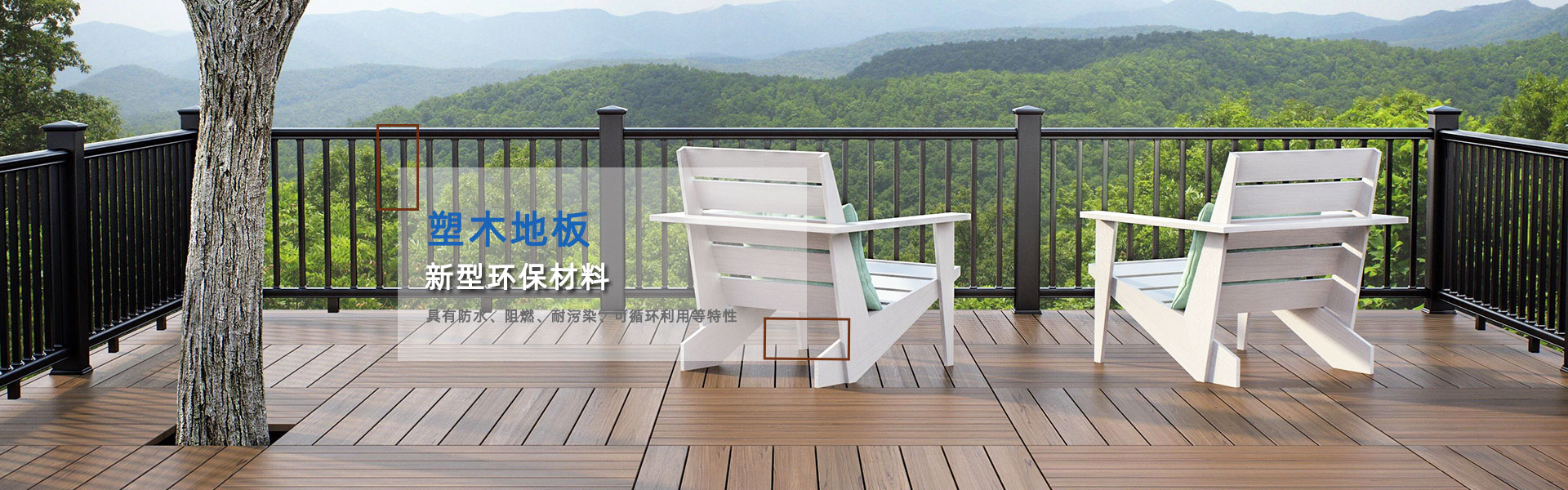


Today, the wood-plastic flooring commonly used by businesses generally falls into two categories: wood-plastic flooring and anti-slip tile. These two types of flooring have certain differences. Both are suitable for computer rooms. So, what are the distinctions between wood-plastic flooring and anti-slip tile? Let's explore together. Wood-plastic flooring is a new type of environmentally friendly wood-plastic composite material product. It is produced by adding recycled plastic to wood phenol generated during the production of medium and high-density fiberboard, granulating it, and then extruding it to form the flooring. The wood-plastic flooring currently available is primarily composed of cellulose and lignin. Cellulose provides strength, while lignin combined with cellulose gives the wood its toughness. The processing machinery for wood-plastic wall panels requires feeding equipment, drying equipment, extrusion equipment, and molding equipment, as well as necessary downstream equipment such as cooling water tanks, pulling equipment, and cutting equipment.
The primary difference between wood-plastic flooring and tiles is that they are made from different materials. Tiles are made from, while wood-plastic flooring cannot be entirely constructed from steel components. The base is made from deep-drawn steel plates, and the top layer is formed by stamping hard steel plates and upper and lower metal plates.
2. In terms of installation, laying anti-slip tiles is faster than wood-plastic flooring, as the latter's manufacturing process is more intricate, requiring extra measures for safe usage.
3. While popularity is relatively similar, there are fewer manufacturers for anti-tile production. This is because they incorporate anti-functional powder, making the production process quite challenging with current technology.
4. Currently, a full steel anti-wood plastic flooring has emerged. Made by stamping and welding steel plates, this flooring is injected with materials and boasts high strength, fire resistance, and moisture-proof characteristics.
