
Water Treatment Grating Cleaning Machine
Rainwater Pumping Station Reverse-Suction Grating Cleaning Machine
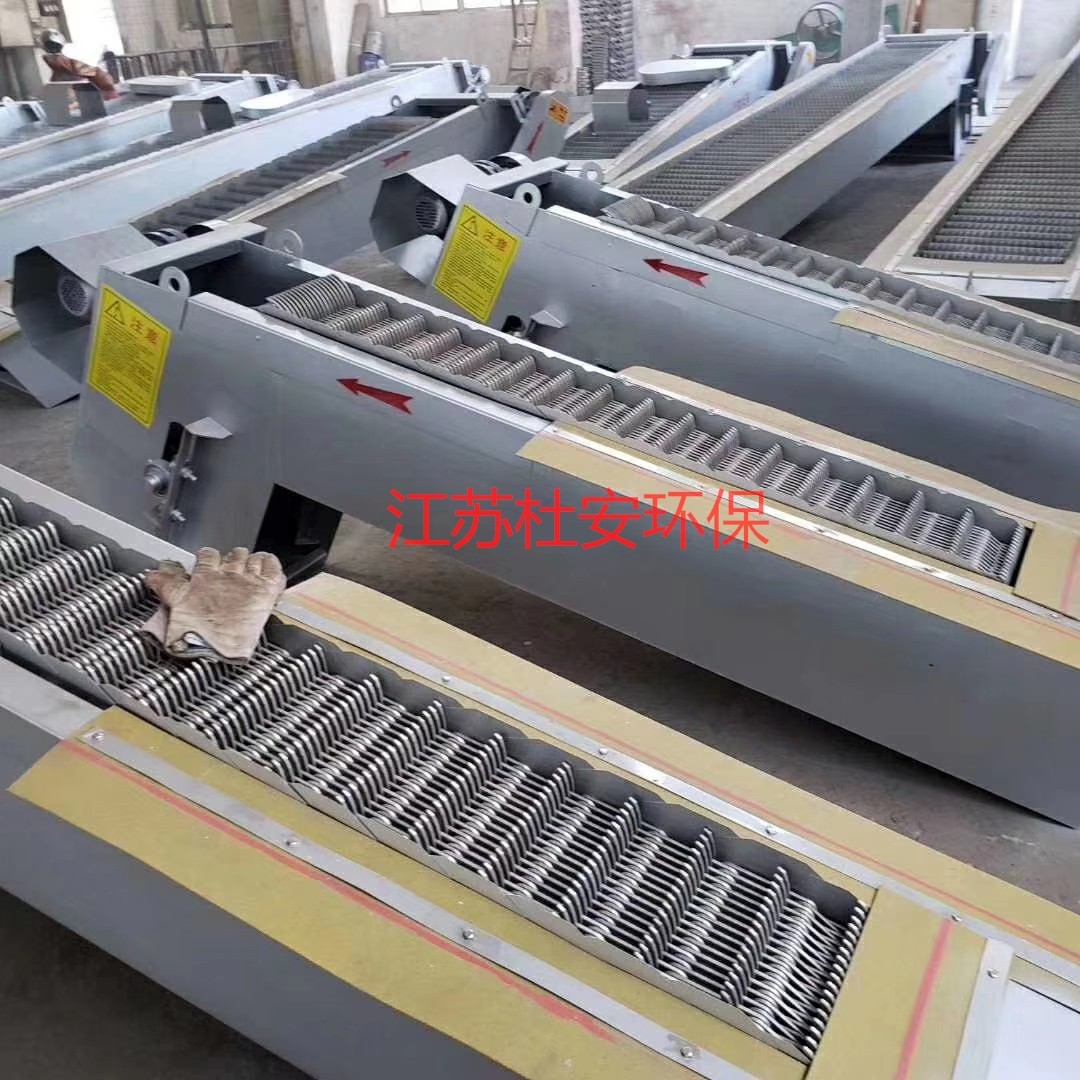
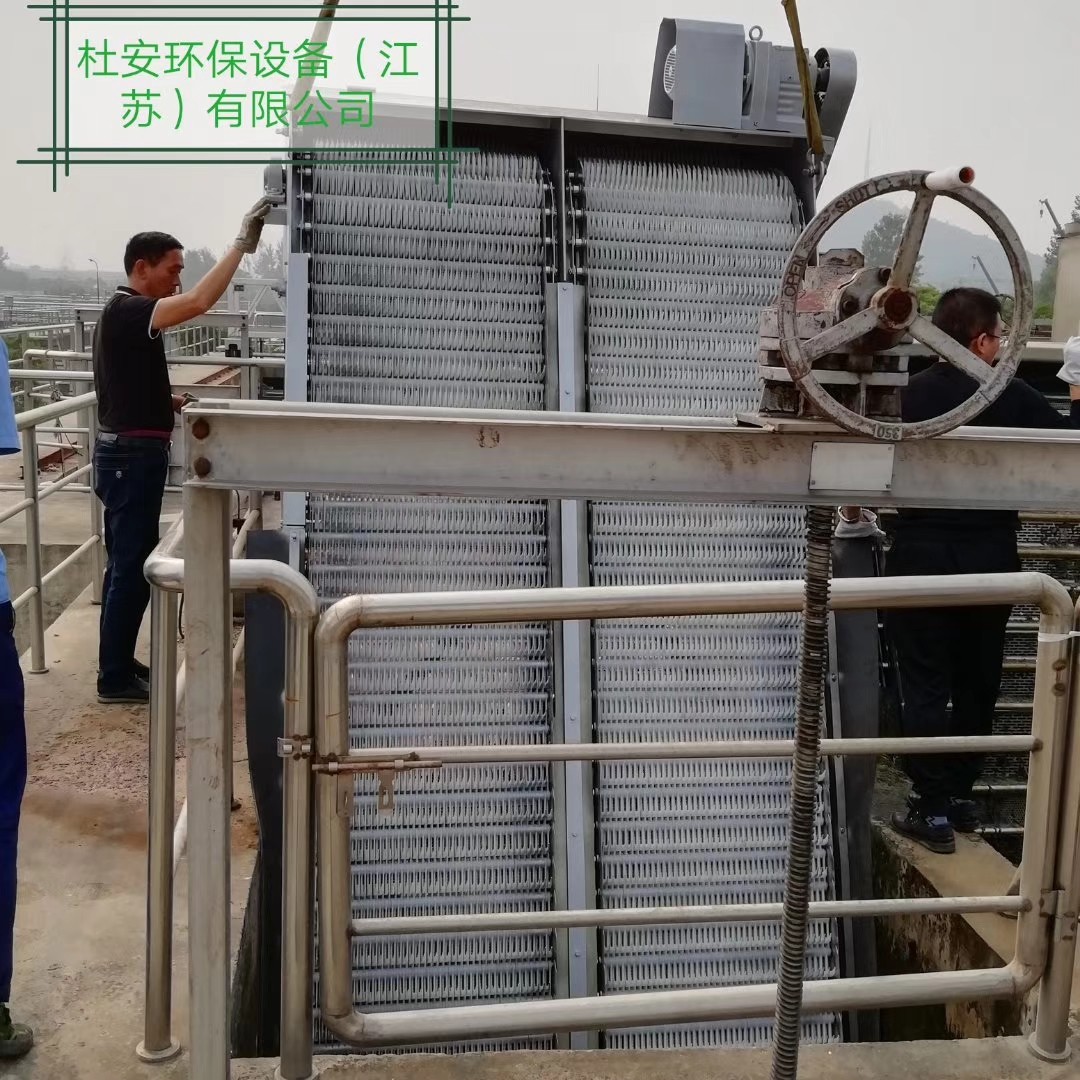
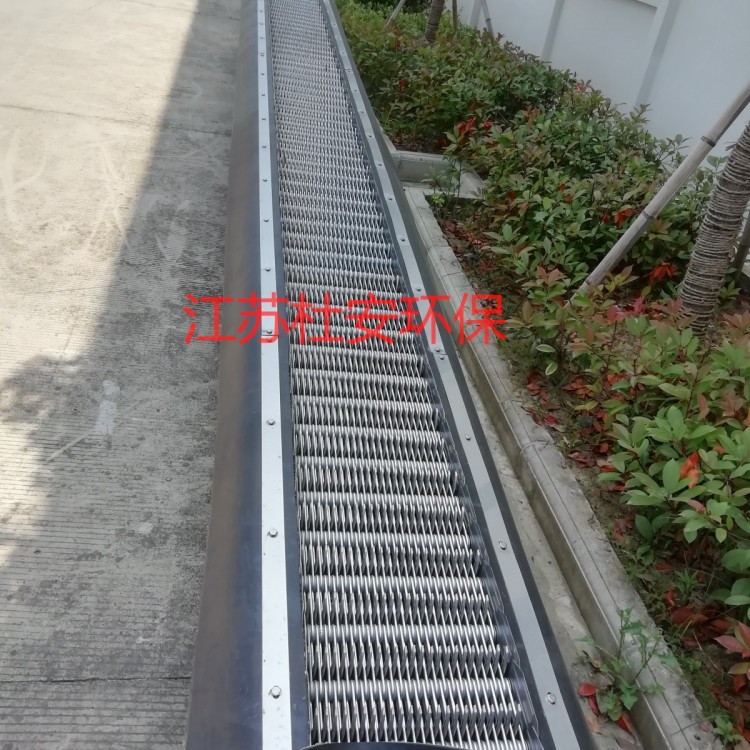
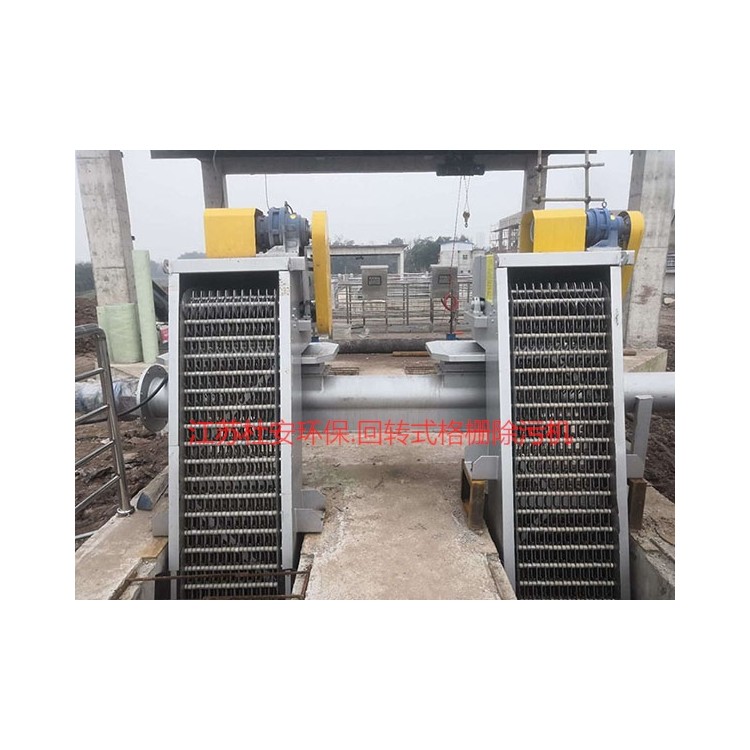
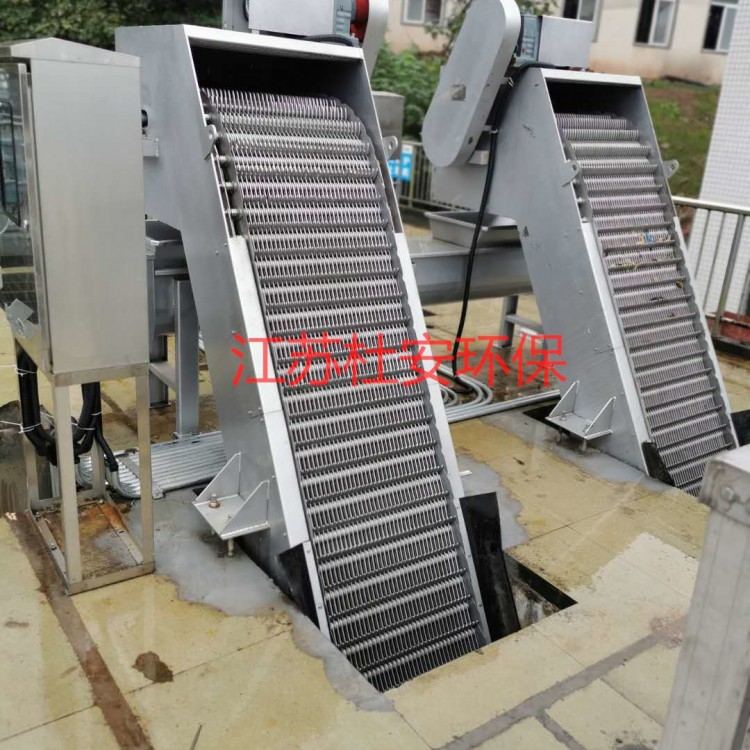
Duwan Environmental Rotating Step Grating

Product Range
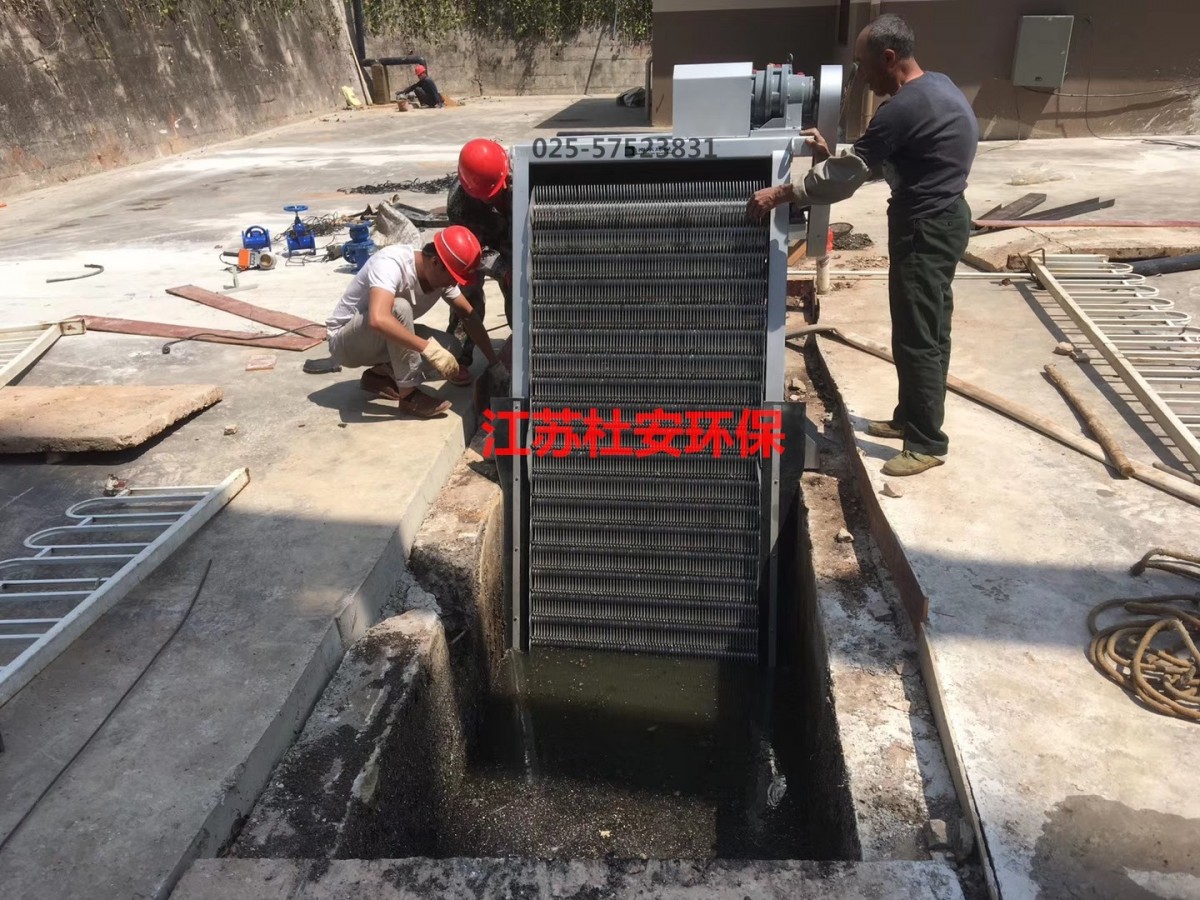
Jiangsu Du'an Environmental ProtectionThe provided rotary mechanical grating should be a complete set, mainly including (but not limited to): frame, grating and supports, enclosed rotating traction chain, drive unit, differential mechanism, unloading mechanism, cleaning and debris removal equipment maintenance and protection platform, on-site electrical control cabinet, and fasteners, etc. It should ensure that no additional parts are required for installation and safe, reliable operation.
Jiangsu Du'an Environmental Protection Grating Supporting Documents Submission:
Duwan Environmental Protection submits the following documents, but not limited to:
Detailed equipment drawings and specifications, indicating all installation dimensions and materials.
—Detailed performance specifications of the equipment;
—Installation, maintenance, and operation manuals;
—Manufacturing and Quality Assurance Facilities
—Detailed description of installation methods and specifications for installation accuracy
—Pre-commissioning debugging and testing requirements
— Wiring diagram and control principle diagram of the grill control box;
—Weights of each part of the equipment.
Mechanical格栅Sewage Removal Machine Installation Angle, Rotating Mechanical格栅Sewage Removal Machine Clearance 3mm, Rotating格栅Sewage Removal Machine Discharge Height4.1.7 Belt Conveyor (with coarse grate)
Product Range
Equipment Name | Unit | Quantity | Note |
Belt Conveyor | Set | 1 | Rough Grid Platform |
Jiangsu Du'an Environmental ProtectionThe belt conveyors provided should be a complete set, mainly including (but not limited to): the main unit, matching auxiliary equipment, on-site electrical control cabinet, and fasteners, etc. It should ensure that no additional parts are required during installation and safe, reliable operation.
2. Design and Installation Conditions
2.1 Design Conditions
· Installation Location Outdoor
·Conveying Medium: Sludge (with moisture content of 80%).
Medium pH 5-9
Medium Temperature: 10~35℃
Air Temperature -10~45℃.
· Transport Capacity ≥5m3/h
·Working Method Intermittent or Continuous
2.2 Installation Conditions
· Effective Length: 7000mm (provisional)
· Height at the discharge end: 1300mm from the ground (provisional)
3. Performance and Technical Requirements
a. Belt conveyors are used in conjunction with mechanical coarse grates for the transport of debris. The conveying capacity should ensure that all grates can operate normally even under full rake load.
b. The belt conveyor should have excellent slag conveying capability, along with features such as wear resistance, anti-blocking, and anti-tangling. It should also ensure continuous and normal operation for 24 hours.
c. The belt conveyor is a continuous-type troughed belt conveyor, including drive rollers, tensioning wheels, idlers, return idlers, guiding idlers, belt cleaners, and side plates on all support brackets.
d. Belt conveyors should have an appropriate belt speed (not exceeding 0.3 m/s) and sufficient rigidity and strength to achieve the purpose of conveying slag without causing blockages.
e. The transmission should be in direct connection with a reducer and motor, with all mating surfaces of the drive unit free of leaks.
f. The drive unit should be equipped with an overload protection mechanism and be suitable for outdoor use.
g. The belt conveyor is supported and fixed to the concrete civil foundation with steel sections.
h. The conveyor belt should be highly wear-resistant and possess excellent corrosion resistance against urban sewage (including oil and grease), and it should be able to bear the heavy load of screenings.
The conveyor belt connections should be overlap-type, with the overlap joints being smooth and sturdy vulcanized joints that do not affect smooth operation and cleaning.
i. The driving roller employs an oil-cooled electric roller design, with the roller cavity filled with cooling lubricant. During operation, it cools the motor and reducer gears while lubricating the gears and bearings.
j. The tension wheel is located at the feeding end of the conveyor and runs on a heavy-duty sealed bearing support. The tension wheel should be equipped with a high-strength screw operation belt tensioning mechanism, with an adjustable stroke of not less than 500mm.
k. Grooved Roller
Each set of roller includes three identical and interchangeable rollers. The center roller shaft should be horizontally set, with the side tilt roller inclined. The tension roller should have a sealed ball or roller bearing.
Each roller set should be mounted on a rigid bracket, which is bolted to the conveyor frame, and each roller set should be interchangeable.
Return Roller
Return roller is a single horizontal roller with sealed ball or roller bearings, mounted on a rigid bracket and connected to the conveyor frame. The return roller should ensure that the belt runs in a centered position.
The guide roller is a vertical support roller equipped with sealed ball or roller bearings. It is mounted on a rigid bracket that features adjustable supports connected to the conveyor frame.
The discharge end of the conveyor should be equipped with an adjustable cleaning device to prevent debris from adhering to the belt.
The conveyor belt should be fully equipped with side guards to prevent waste from spilling over the sides of the conveyor. The guards should be lined with flexible synthetic rubber plates to ensure the sealed operation of the conveyor belt.
The conveyor frame is constructed from shaped steel and welded into a rigid support structure. The frame should be continuously welded and the discontinuous weld beads, prone to corrosion, should be removed.
4. Main Materials
The following lists the names and materials of the main components that this equipment at least includes:
Conveyor Belt Standard Synthetic Rubber
Baffle Stainless Steel
Rack Standard Hot-Rolled Steel Beam
All fasteners, connectors 316 Stainless Steel