

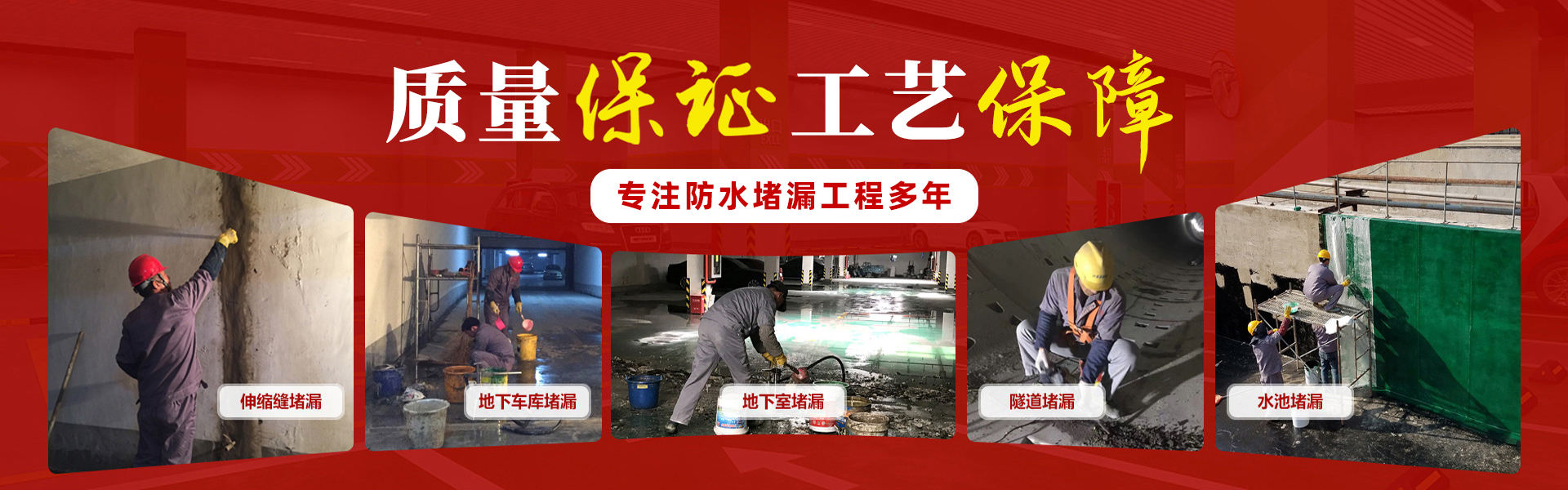

As the economy grows, environmental protection issues are gaining more attention, and the construction of wastewater treatment plants is increasing. It is common for cracks to appear in the pool walls and for damp spots and water leakage to occur at the junctions between the pool walls and floors. Therefore, it is necessary to seal the leakage points and reinforce the area to prevent the expansion of leaks. Hence, we have compiled the "Wastewater Pool Waterproofing and Leak Sealing Technical Plan" for your reference.
I. Construction Plan Formulation Principles
1. Measures for construction handling are being established to strive for minimal disruption to normal construction and use, and to compress the construction timeline as much as possible.
2. The treatment does not affect the original structural functionality of the pool.
3. Minimize disruption to the existing pool structure.
II. Leak Sealing Methods
Based on on-site observations, it has been decided to use high-pressure chemical grouting to seal leaks at the junctions of the pool's wall, and to reinforce and strengthen the original structure at locations where cracks have appeared, in order to prevent the expansion of leak points.
High-pressure chemical grouting technique for waterproofing and leak plugging in sewage pools
1. High-pressure chemical grouting waterproofing and leakage plugging technology principle
Concrete building cracks are the primary cause of damage in concrete structures, and leakage due to cracks is the most frustrating issue, as the cracks within concrete are completely irregular. Traditional methods of sealing leaks usually involve chiseling open the crack or leaky area and applying a surface sealant, but the result is often that while one area is sealed, another begins to leak. This is because water can move irregularly within the cracks of concrete, seeping out from relatively weak points. Recommended reading: Waterproofing and Leak Sealing Company for Septic Tanks
Chemical grouting, commonly referred to as "injection" in waterproofing, involves injecting a slurry made of chemical materials into structural cracks through boreholes and grouting nozzles, using pressure to ensure it spreads and sets, achieving the goals of waterproofing, leak sealing, reinforcement, and strengthening. It is frequently used for repairing deeper cracks in concrete structures. Based on the pressure and speed of injection, it can be categorized into high-pressure rapid injection and low-pressure slow injection methods.
2. Waterproofing and leak sealing technology for wastewater ponds: chemical grouting waterproofing and leak sealing mechanism
The high-pressure chemical grouting leakage prevention technology utilizes the continuous high pressure generated by the grouting machine to inject the chemical material liquid into the cracks within the concrete, completely squeezing out the water and filling the gaps to achieve the purpose of waterstop.
3. Advantages of Waterproofing Chemical Grouting for Sewage Pool Leak Sealing
High pressure and stable reliability allow for complete penetration of the chemical slurry deep into the fine cracks within the concrete structure, providing excellent water stopping performance.
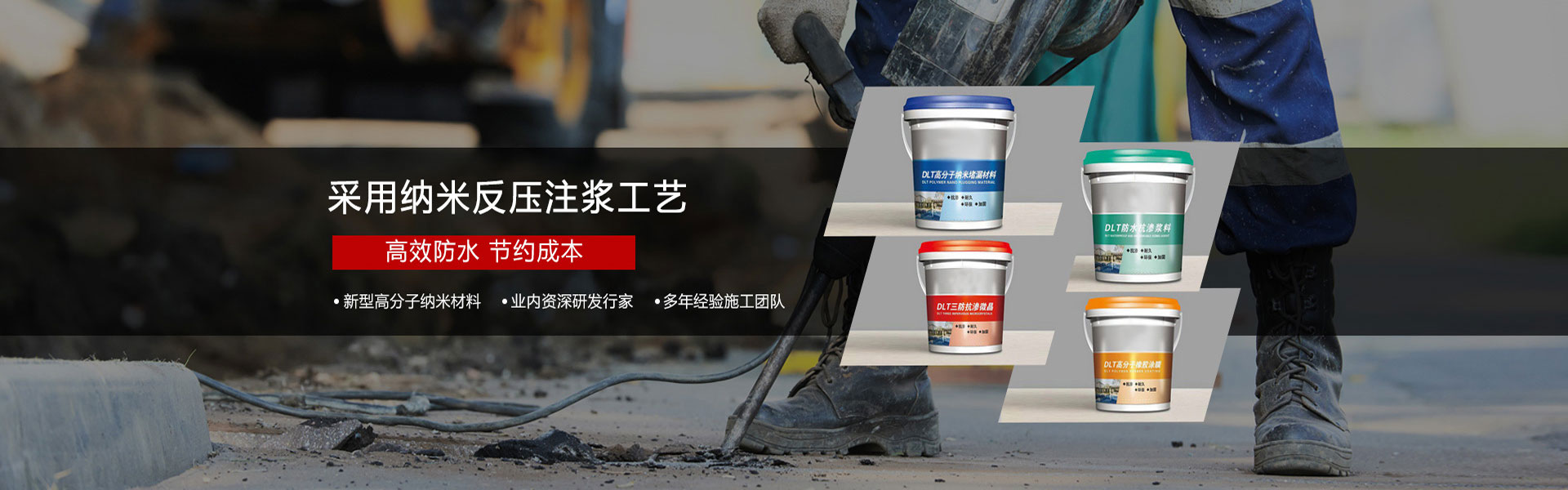
2). Our grouting fluid technology is mature with a complete range of products. Most of them have achieved single-component finished product production, eliminating the need for on-site mixing. Quality is stable, and the product can be used directly after opening the bucket. The slurry is resistant to chemical corrosion, non-toxic, environmentally friendly, and waterproof after curing.
3). The construction process is simple and straightforward. Construction is rapid, with immediate and lasting waterproofing effects. The labor intensity for workers is reduced, and the construction efficiency is 5 to 10 times higher than traditional methods, making the traditional approach uncomparable.
4). Construction is不受seasonal or weather restrictions, suitable for various projects including maintenance, emergency repairs, and drinking water projects. The comprehensive construction costs are low, yielding significant economic benefits.
Chemical Grouting Waterproofing and Leak Sealing Construction Technique
Leak sealing and waterproofing of wastewater ponds should be performed by a construction team consisting of professionally trained personnel and equipped with specialized construction equipment.
1) Cleaning: Conduct a thorough inspection and analysis of leakage situations, determine the location and spacing of grouting holes. Clean the areas to be constructed, chisel off concrete surface efflorescence, ensuring the surface is clean and moist.
2) Drilling: Use electric drills and other drilling tools to bore holes along both sides of the cracks. The drill bit diameter should be 14mm, the drilling angle should be ≦45°, and the drilling depth should be ≦2/3 of the structure thickness. The holes must pass through the cracks but should not penetrate the structure (except for grouting behind the wall). The distance between the drilling and the crack should be ≦1/2 the structure thickness. The spacing between the holes should be 20cm to 60cm.
3) Grouting Nozzle Installation: Install the grouting nozzle (also known as a waterstop needle) into the pre-drilled hole and tighten it using a specialized hex wrench, ensuring there are no gaps or leaks between the nozzle and the drilled hole.
4) Wash seam: Inject clean water into the grouting nozzle at a pressure of 3 MPa using a high-pressure cleaner, observe the water outlet condition, and clean the dust inside the seam thoroughly.
5) Sealing: Apply quick-drying cement to seal the cracks on the surface that leak during the washing process, to prevent the chemical slurry from escaping during the filling.
6) Grouting: Use a high-pressure grouting pump to inject chemical grouting material into the grouting holes. The grouting sequence for vertical surfaces is from bottom to top; for flat surfaces, it can start from one end and proceed sequentially with single holes. After adjacent holes begin to discharge grout, maintain pressure for 3-5 minutes before stopping the grouting of the current hole and moving on to the adjacent grouting hole.
7) Crack: Once the grouting is complete and confirmed to be leak-free, remove or knock off the exposed grouting nozzle. Clean up any solidified grout that has leaked out.
8) Sealing: Use quick-drying cement for the repair and sealing treatment of the灌浆口 (grouting port).
Section 3: Cautionary Notes
During construction, strictly adhere to the leak-proofing techniques described in the technical measures, and make slight adjustments on-site based on actual conditions.
2) Refer to relevant specifications and standards during the leak-plugging process in the pond.
During the construction process, professional workers should be equipped with gloves, goggles, and other protective measures to prevent unexpected situations such as pipe explosions and leaks.
