





 通过中商114认证
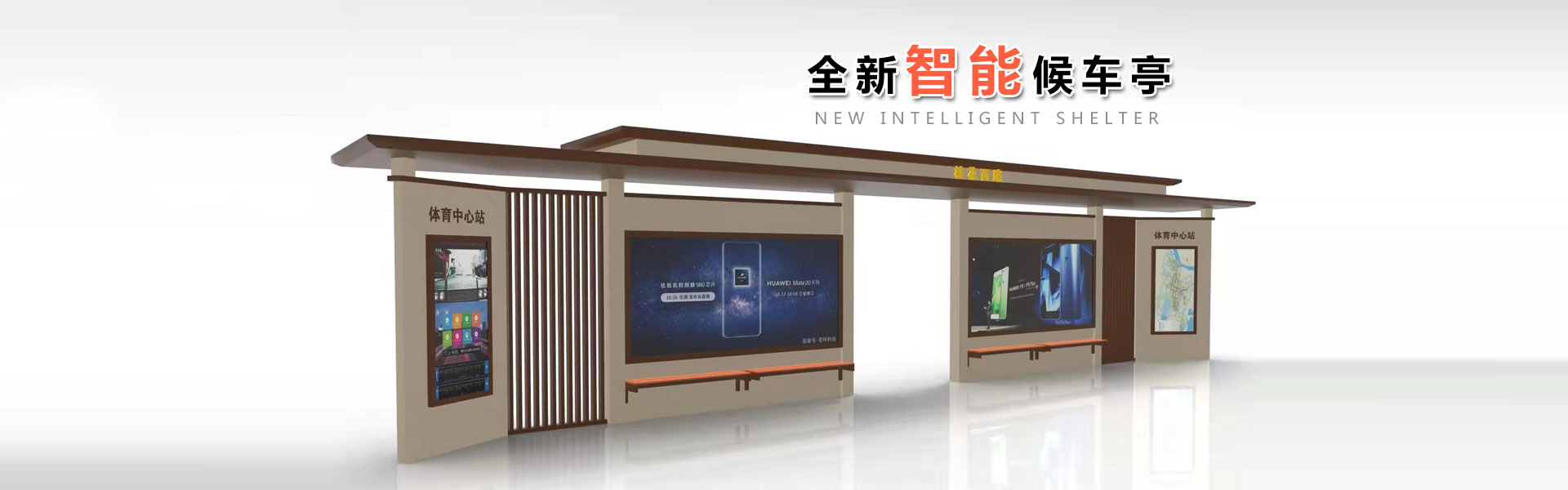
Nowadays, it's common to spot replicas of ancient waiting shelters near scenic spots or ancient architectural complexes in many cities. Many people might think that investing in waiting shelters is meaningless, but that's not the case.
Ancient-style waiting shelters, initially part of a city's service infrastructure, serve as one of the city's facades, offering a direct impression to citizens, tourists, and other traffic participants. In scenic areas and clusters of ancient architecture, they further showcase a city's unique characteristics and cultural heritage. As a result, there are specific requirements for complementary service facilities to maintain and promote the city's image. Therefore, ancient-style waiting shelters have become the ideal choice.
However, the antique-style waiting shelters are not merely a cosmetic project; they seamlessly blend with the city's character, conceal their "outsider" status, and appear as "locals" to the public, serving as "ambassadors" for the protection of local culture.
City image is visible yet intangible, and while its positive impacts and benefits are not immediately apparent, they are crucial. Just like an individual's personal image, city image is not only significant for external promotion but also enhances residents' sense of pride and identification. Moreover, as a city service facility, bus shelters can provide users with a better travel experience.
Humans are advanced animals in need of a sense of belonging. Looking ahead, the importance of history and culture will continue to grow. Protecting history and inheriting culture is a duty we all owe to our ancestors, ourselves, and future generations. Therefore, ancient-style waiting shelters will reappear with a refreshed look, becoming more integrated into the daily transportation lives of more people.
