


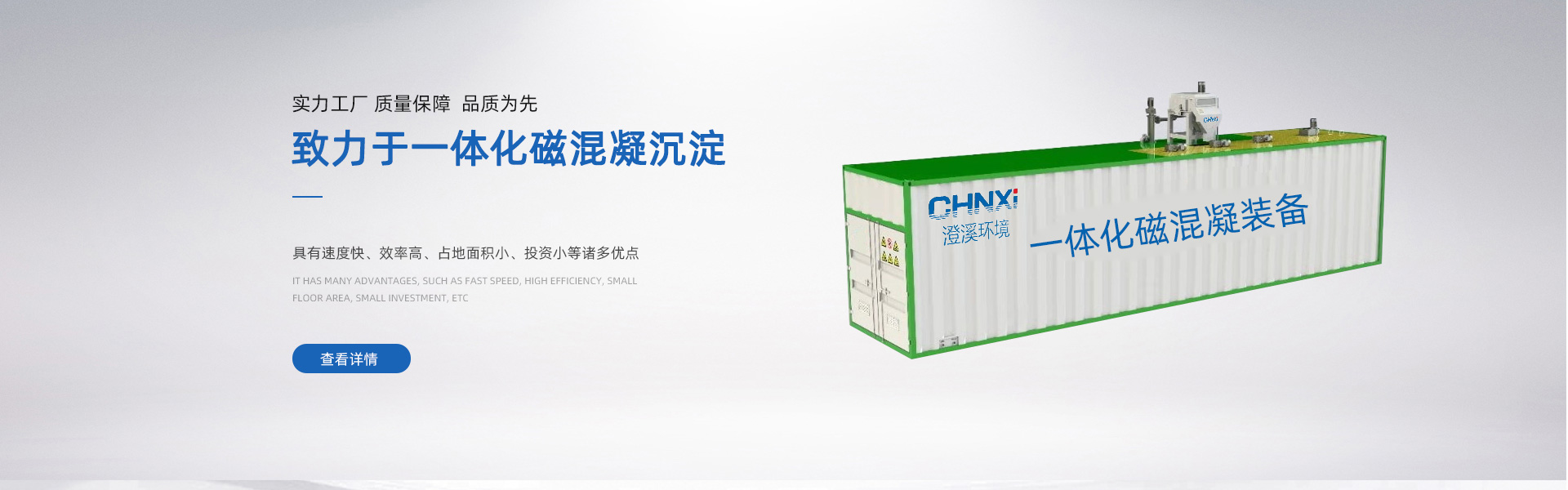

In the wastewater treatment field, various technologies are employed to effectively manage the treatment of wastewater and its impurities. Magnetic flocculation, in particular, has found good application in wastewater treatment, not only enhancing coagulation efficiency but also reducing treatment costs for enterprises. The reason lies in its ability to lower the associated processing expenses.
Firstly, it saves the area of equipment.
If you aim to achieve wastewater treatment through magnetic絮凝 technology, it naturally requires equipment installation and use. Therefore, companies are quite concerned about the equipment's footprint. However, since this technology has a shorter hydraulic retention time, it can save on equipment space, allowing for operation on a smaller area, thereby reducing costs in this aspect.
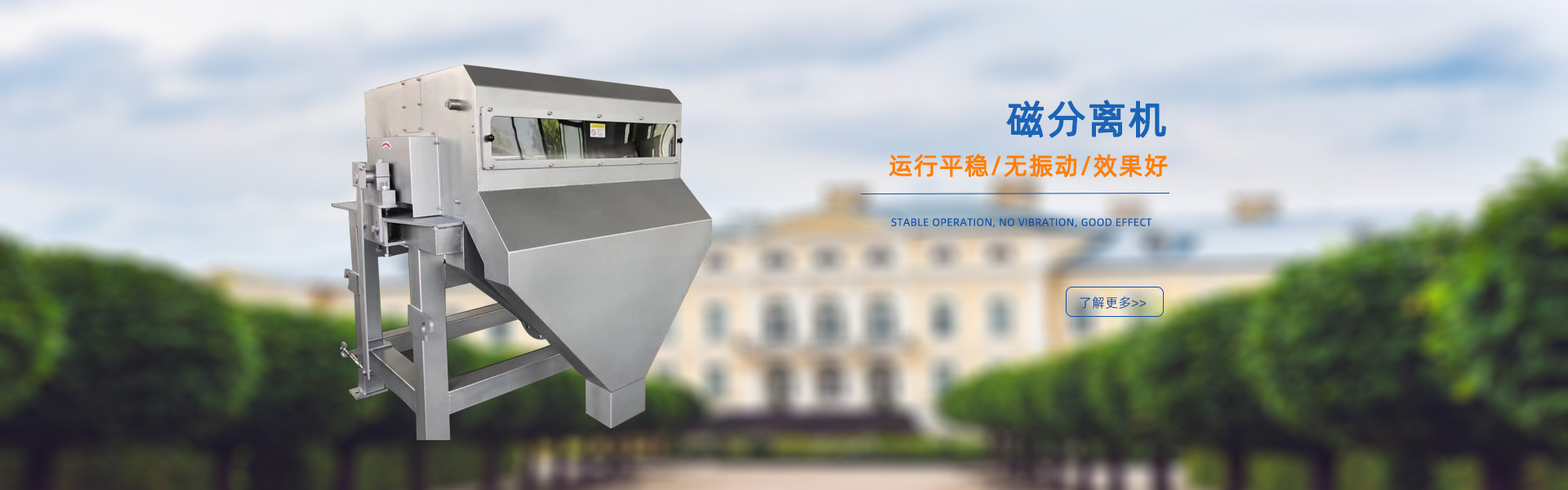
Next, magnetic powder is recyclable.
Previous magnetic flocculation applications were hindered primarily due to the significant consumption of magnetic powder, which also accounted for the associated costs. However, the current magnetic powder is recyclable, meaning the consumption is relatively low. This reduction in material usage will lower the operational costs of the process, especially when dealing with large water volumes.
Under such circumstances, the process investment is also relatively low, ensuring that the company has no concerns about cost issues and can smoothly complete the wastewater treatment through this technology.
Current major corporations are likely paying close attention to magnetic flocculation technology, as this technology indeed helps reduce costs for businesses. Thus, it has become a significant technology of interest to enterprises. Through this technology, wastewater treatment can be achieved, ensuring that the effluent meets discharge standards and avoids environmental pollution.
