
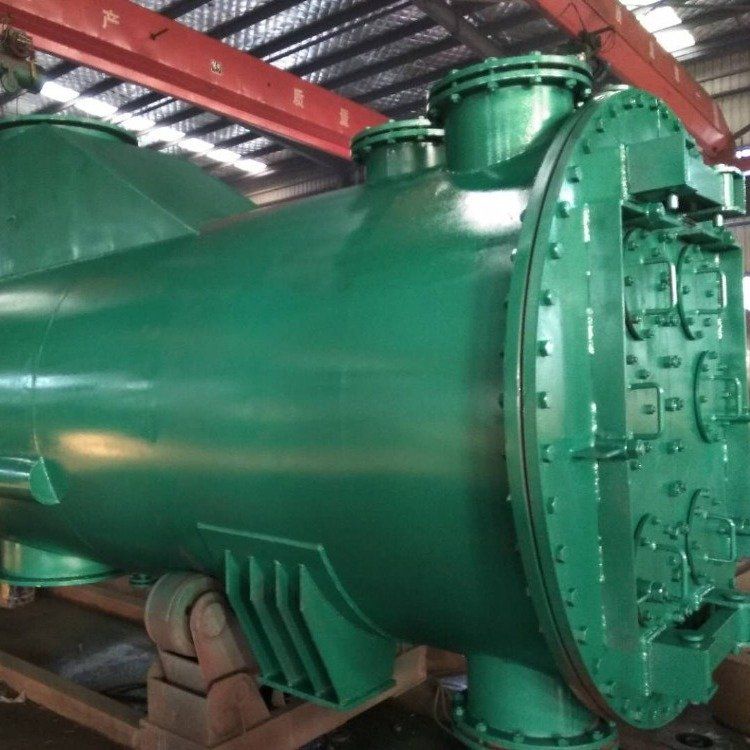
 Condenser
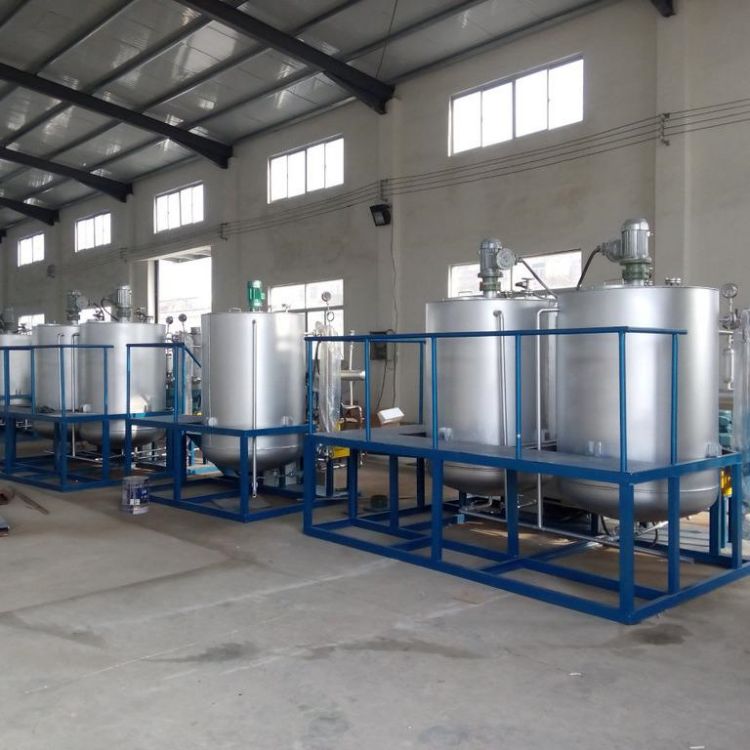 Medication Delivery Device
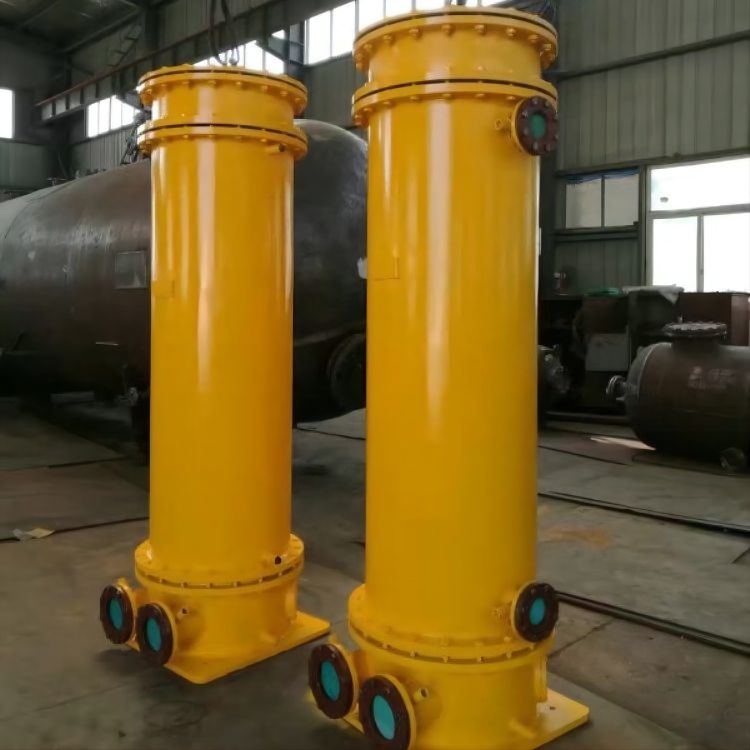 Cooler
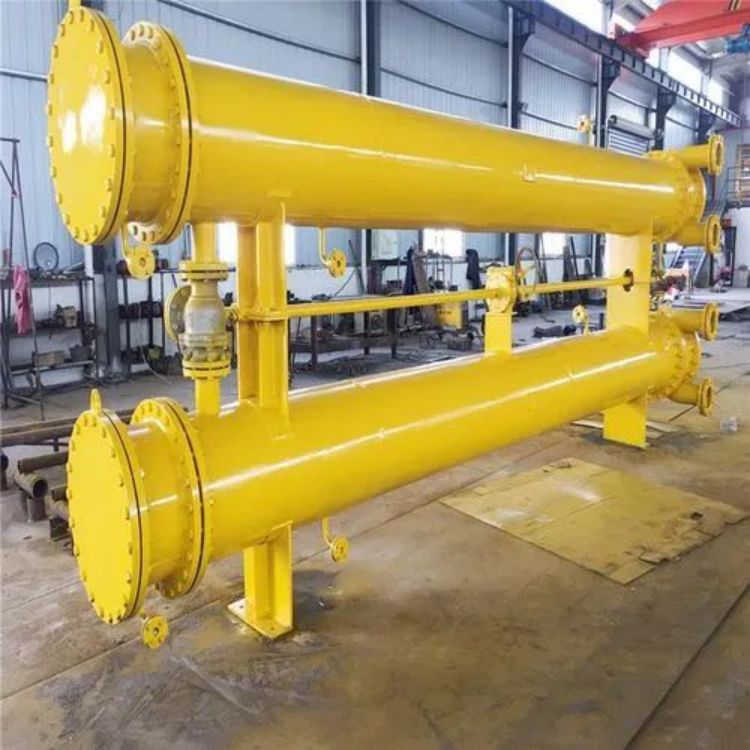 Cooling oil cooler
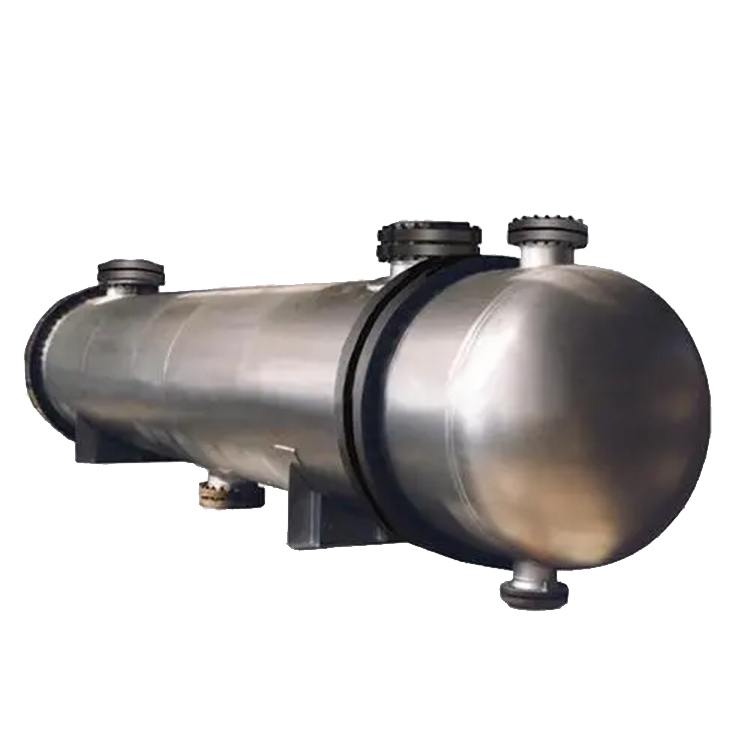 Heat Exchanger
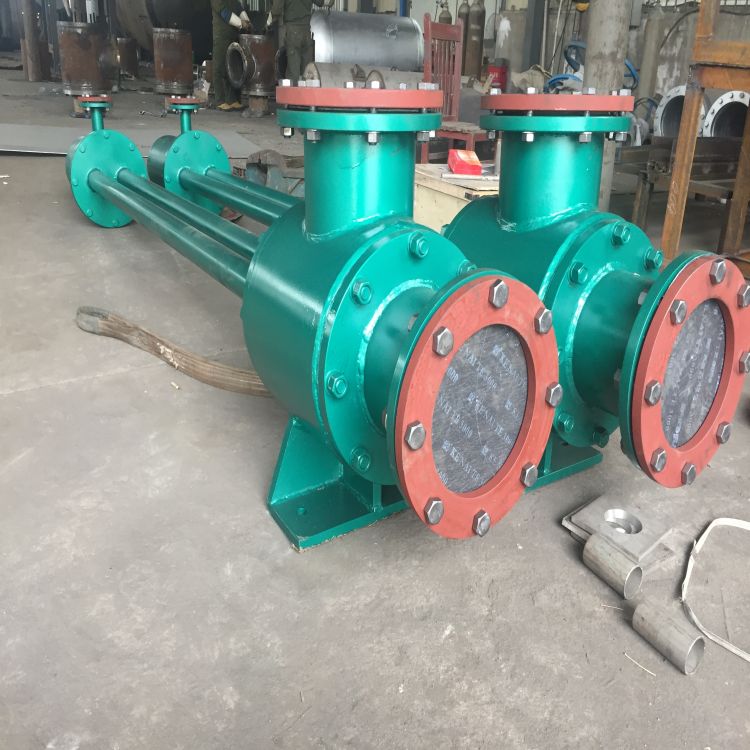 Water Jet Vacuum Pump
 Bitumen Storage Tank
Product Details

Refining and chemical production equipment manufacturing; refining and chemic...
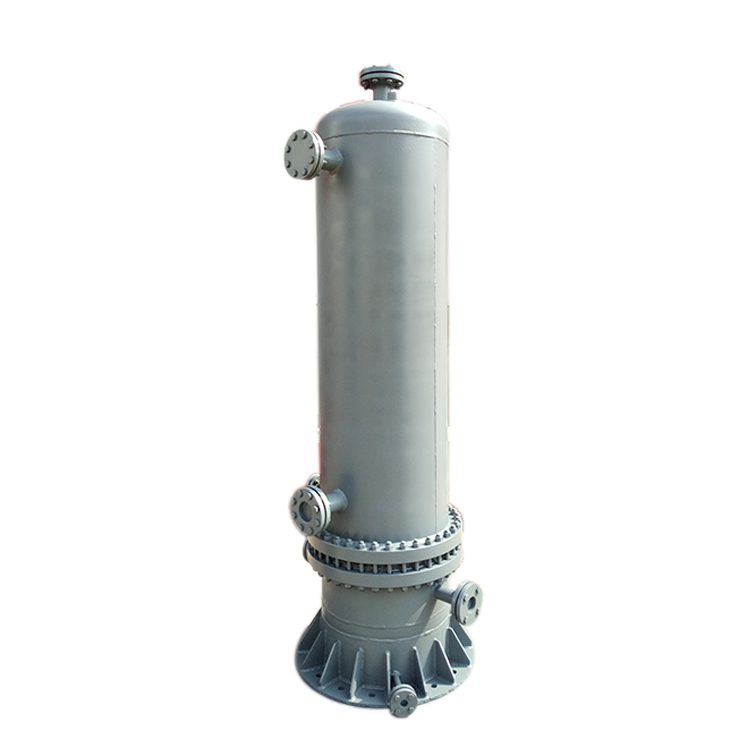
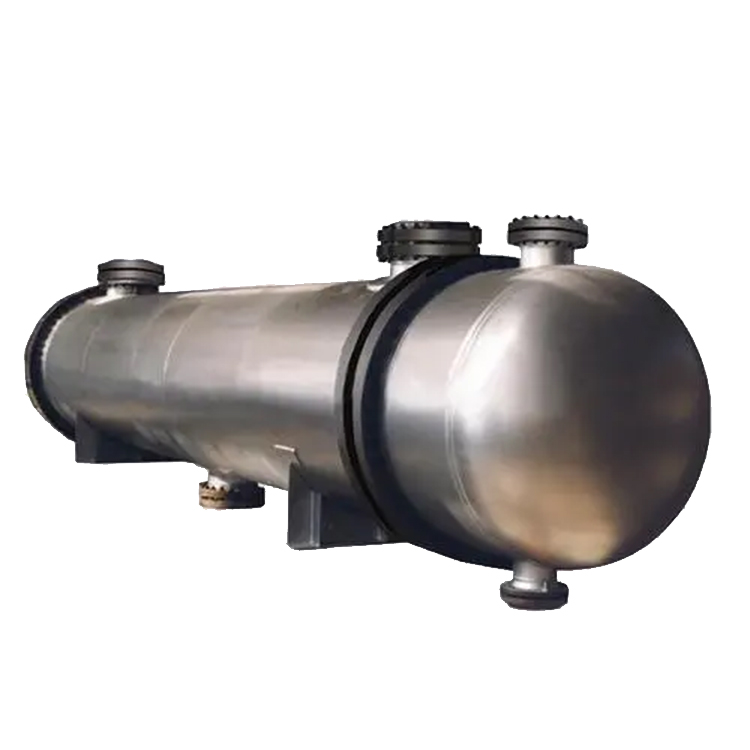

产品Price 2888.00/Tai
最小起订Quantity:1 Tai 供货总Quantity: 99 Tai


Brand |
|
Origin |
Lianyungang, Jiangsu |
Material |
Stainless Steel |
Model |
JS |
Customized |
Customizable |
Specs |
120" x 260" |
Product Details I. Definition Heat exchangers, also known as heat exchangers, are devices that transfer part of the heat from a hot fluid to a cold fluid. They play a crucial role in various industrial processes, including chemical, oil, power, food, and many others. In chemical production, heat exchangers can act as heaters, coolers, condensers, evaporators, and reboilers, with wide applications. II. Classified by Heat Transfer Principle 1. Shell-and-tube Heat Exchangers: Shell-and-tube heat exchangers involve two fluids of different temperatures flowing in separate spaces divided by a wall. Heat transfer occurs between the fluids through the wall's conduction and the convection of the fluids at the wall surface. 2. Regenerative Heat Exchangers: These exchangers use a solid material-based storage medium to transfer heat from a high-temperature fluid to a low-temperature fluid. The heat medium first heats the solid material to a certain temperature, and then the cold medium is heated through the solid material, achieving the goal of heat transfer. 3. Indirect Fluid Connection Heat Exchangers - These are heat exchangers that connect two surface heat exchangers through a circulating heat carrier. The heat carrier circulates between the high-temperature fluid heat exchanger and the low-temperature fluid, absorbing heat from the high-temperature fluid and releasing it to the low-temperature fluid. 4. Direct-contact heat exchangers, also known as mixed-flow heat exchangers, are devices where two fluids come into direct contact and mix for heat exchange. Examples include cooling towers and gas condensers. 5. A double-effect heat exchanger that combines both surface-type indirect heat exchange between steam and water and direct mixed flow heat exchange between water. Compared to the surface-type indirect heat exchange between steam and water, it boasts higher heat exchange efficiency; and compared to direct mixed heat exchange between steam and water, it offers greater stability and lower equipment noise. Section 3: Categorized by Application 1. The heater is designed to heat the fluid to the necessary temperature without causing any phase change in the heating fluid. 2. The preheater preheats the fluid, providing standardized process parameters for the operation. 3. Superheaters are used to superheat fluids (process gas or steam). 4. Evaporator - An evaporator is used to heat a fluid to temperatures above its boiling point, causing the fluid to evaporate, typically involving a phase change. IV. Categorized by Structure Available in: Floating Head Heat Exchangers, Fixed Tube Sheet Heat Exchangers, U-Tube Sheet Heat Exchangers, Plate Heat Exchangers, etc. 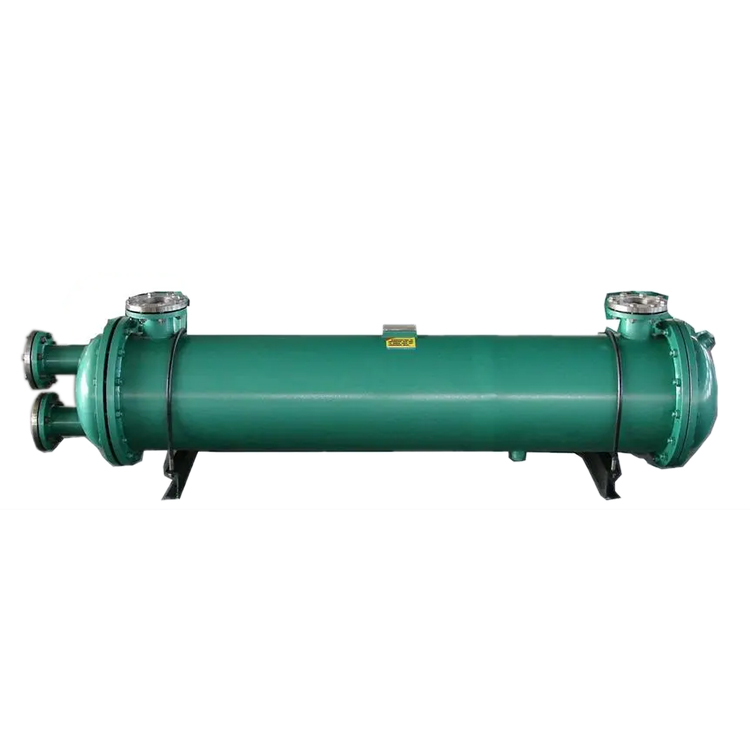

Phone Consultation