

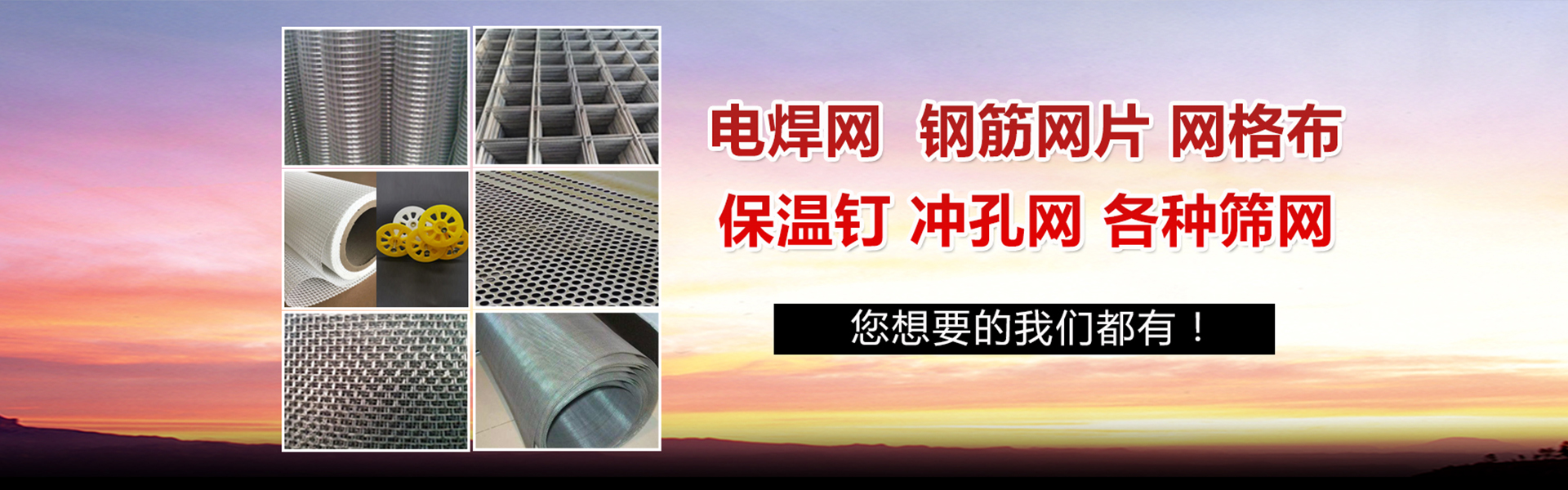
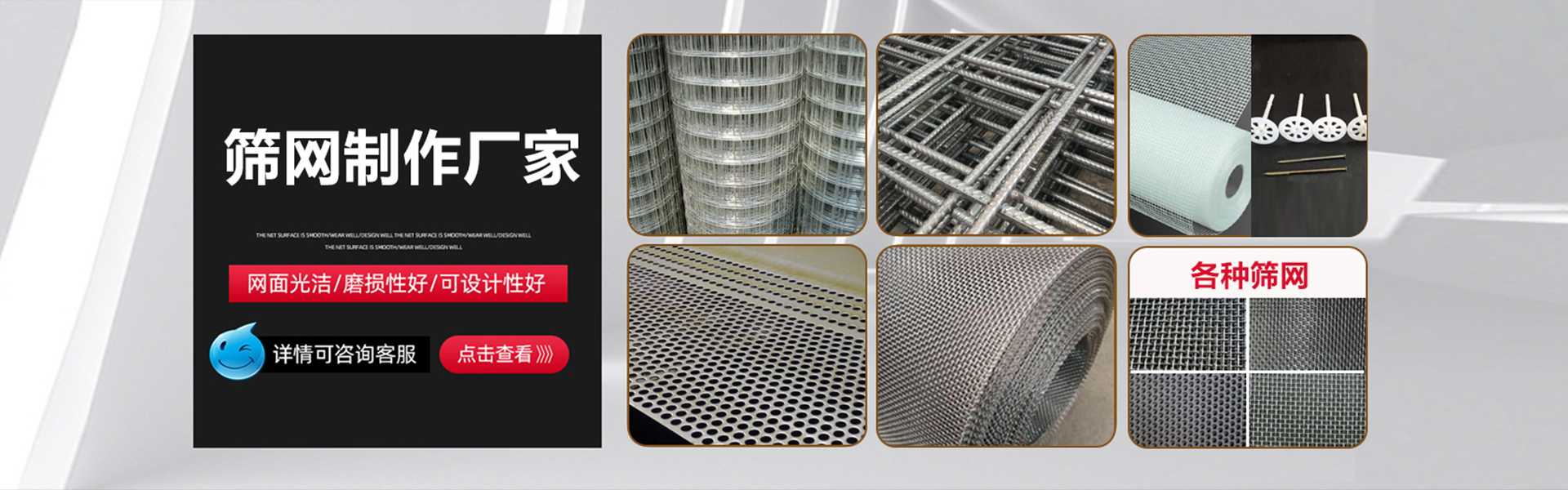


What are fiberglass mesh and thermal insulation nails made of? Let's take a look. Fiberglass mesh is made from a product of glass filaments. It is produced from basic or neutral alkali-free glass fiber fabrics as the basic material, then coated with alkali-resistant high molecular weight substances to form.
Glass fiber mesh is a flame-retardant product, with its core material being woven from glass fiber yarn. The alkali-resistant glass fiber textile yarn is produced through weaving, offering excellent alkali resistance and enhanced flexibility and tensile strength.
Of course, there is a significant price difference among different types of glass fiber mesh. If you want the glass fiber mesh manufacturers to meet the requirements on their products, the first step is to ensure the equipment meets the standards. As we all know, for industrial materials like these, it's not something that can be produced through craftsmanship alone. Different manufacturers often have distinct differences in their equipment. Only large-scale glass fiber mesh manufacturers can meet the equipment requirements.
Thermal insulation nails are engineering plastic expansion nails used to secure thermal insulation boards to walls. These nails serve as anchoring components for exterior wall insulation and are widely used in architectural decoration and the anchoring of insulated wall structures. They are composed of galvanized screws, nylon expansion tubes, and fixed round plates. They come in various sizes according to the thickness of the insulation layer.
Thermal insulation nails consist of three parts: a nylon sleeve, a galvanized steel screw inside the sleeve, and a nylon disc in front of the sleeve (used to cover the thermal insulation board). They feature resistance to aging and temperature fluctuations, corrosion resistance, and excellent heat and cold resistance; high bearing capacity, good pressure and tensile properties; minimal deformation after loading, moisture resistance, shock absorption, and superior thermal insulation.
