

Assembly Process Guidelines
1. Some assembly requirements
1.1 Pump components must be of high-quality and have undergone all necessary anti-corrosion treatments.
1.2 Processing surfaces of exposed carbon steel and cast iron material components should be coated with rust-proof oil or grease.
1.3 Components must be cleaned thoroughly during assembly; oil stains, dirt, and iron shavings are not permitted.
1.4 After assembly, pumps must be labeled in accordance with the procedures specified in the standard Q/SPCN.G.28001, "Product Labeling and Traceability Control Program."
After assembly, the pump must have an arrow indicating the direction of rotation.
On June 1st, prior to pump packaging, a blind plate made of 5mm thick Q235-A material should be installed on the pump's inlet and outlet. If a matching flange is available, it should also be installed on the blind plate.
On July 1st, after the pump performance test is passed, the pump should be thoroughly drained of accumulated water. The carbon steel pump body channels, carbon steel impeller channels, and outer surfaces, as well as the carbon steel pump shaft, should be coated with anti-rust oil or grease, in accordance with the "Pump Integral Anti-Rust Process."
2. Assembly and integration requirements
2.1 When fitting bearings with inner diameters such as r6 and s6 with interference fit, a heat fit should be applied, with temperatures ranging from 80-120℃.
2.2 When assembling flat keys and bearings, do not use a hammer to strike directly; instead, use a wooden hammer, copper rod, or assembly tools for the assembly.
During the assembly process, it is strictly prohibited to scratch the surfaces of parts, particularly mating and sealing surfaces, to prevent any impact on assembly quality.
2.4 Apply dry oil to the threaded end of the double head bolt and the mating end, ensuring uniformity in length and even tightening.
Section II: Assembly Procedure
1. Cleanup:
Components must pass inspection, material codes must match the drawings, surfaces must be clean, and mating surfaces must be coated with grease. The bearing housing must be cleaned, coated with oil-resistant paint, and allowed to dry naturally for 24 hours before being deemed fit for assembly.
2. Assembling the ring and impeller with the pump housing
When assembling the mouth ring with the impeller or pump housing, ensure that the mouth ring is evenly fitted around the impeller or pump housing to minimize the shape error of the mouth ring as much as possible. After installing the set screw or welding, measure the radial runout of the impeller and mouth ring, as well as the gap between them. The measured values should comply with the general technical requirements for pump assembly. Rectify components that exceed the specified tolerances.
3. Assembling Bearings and Shafts:
Bearings are heated to 90℃-110℃ in a furnace and then mounted on the shaft for cooling. First, the bearing housing's left side cover is installed, followed by inserting the bearing and shaft assembly into the housing and aligning it with the left side cover. Measure the size of the driving end bearing cover and the outer ring end face, with a CZ pump gap of 0.30-0.70mm and a ZA pump gap of 0-0.42mm.
4. Sealed Installation
4.1 Containerized Mechanical Seal Installation
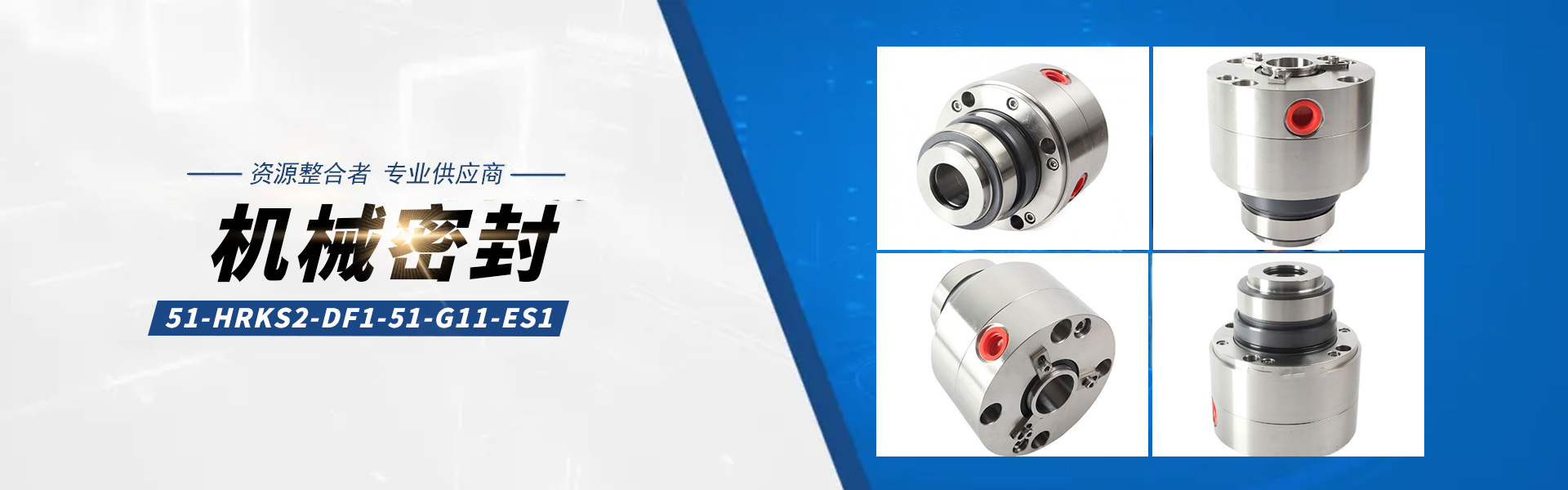
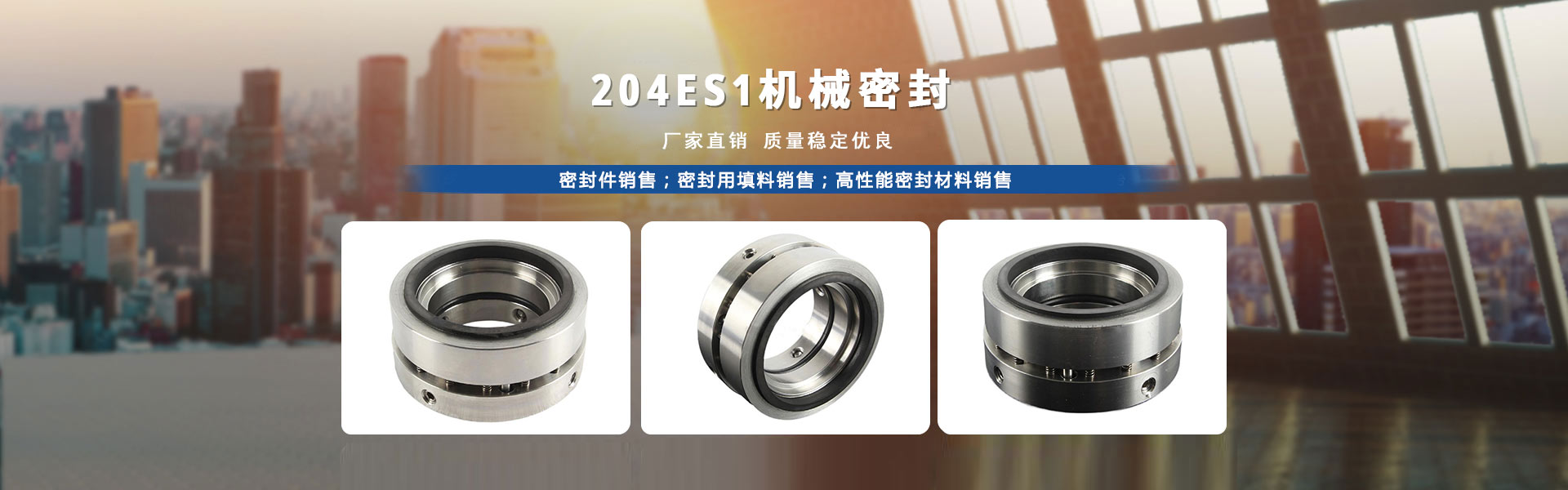
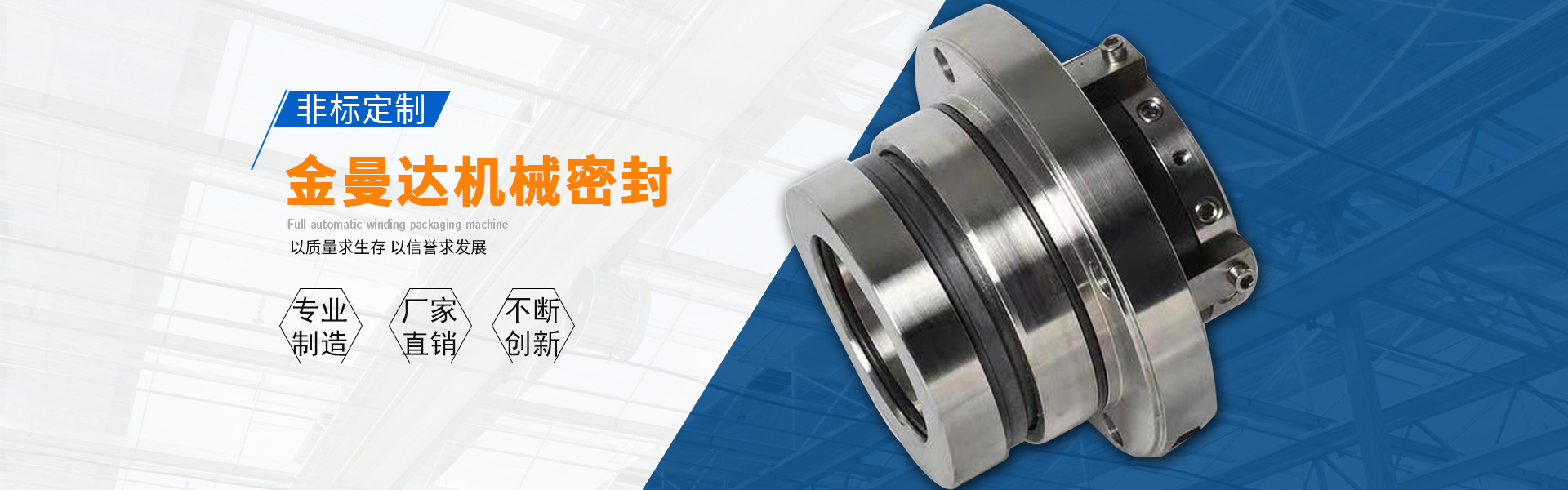
During the installation of the packaged mechanical seal, first use a double-end bolt and nut to mount the seal onto the pump cover. Once the pump shaft is inserted into the seal sleeve, and the bearing housing is securely connected to the pump body, remove the stopper washer from the seal.
During installation, to reduce wear on the O-rings, the parts they pass through can be lubricated. However, for neoprene O-rings, soap or water should be used for lubrication.
4.2 Filling Sealing Installation
Before installing the packing, determine the length of each turn based on the outer diameter of the sleeve, slightly flatten it, wrap it onto the sleeve, push it into the stuffing box, and if there is a water seal ring, install it as required. After the packing is in place, securely tighten it with the packing cover.
5. Adjustment of horizontal multi-stage pump bearing housing
Firstly, during installation, the bearing housing of the multi-stage pump with non-ported alignment must be centered. Rotate the adjustment bolts to move the bearing housing vertically and horizontally, measure the extreme positions of the bearing housing in both directions, take the average, and then secure it with the locking nut. Insert the locating pin, then install the seal and bearing. Adjust the shaft of the rotor.
6. Installing the impeller
For single-stage pumps, the impeller should undergo a static balance test and meet the technical requirements. After the impeller is mounted on the shaft and tightened with nuts, the entire rotor is inserted into the pump body and tightened with nuts.
For multi-stage pumps, in addition to the static balance test of the impeller, a trial assembly of the rotor components is required. The impellers are mounted onto the shaft, marked, and then subjected to a dynamic balance test. The test results should meet the technical specifications.
During installation, push the balancing drum, sleeve, and all impellers to the right until the first-stage impeller and sleeve are against the shaft shoulder. Measure the gap between the sleeve and the balancing drum to ensure it is ≥0.5. If the gap is too small, trim the balancing drum to achieve the required gap. Then, insert the shaft with the first-stage impeller into the inlet casing. Gradually install the impellers and the intermediate casing sections with guide vanes onto the shaft up to the outlet section. Secure the pump components with bolts, install the balancing device, seals, and bearing components, confirm the correct middle position of the rotor, and adjust the conical bearing's axial clearance to 0.04-0.06mm.
