
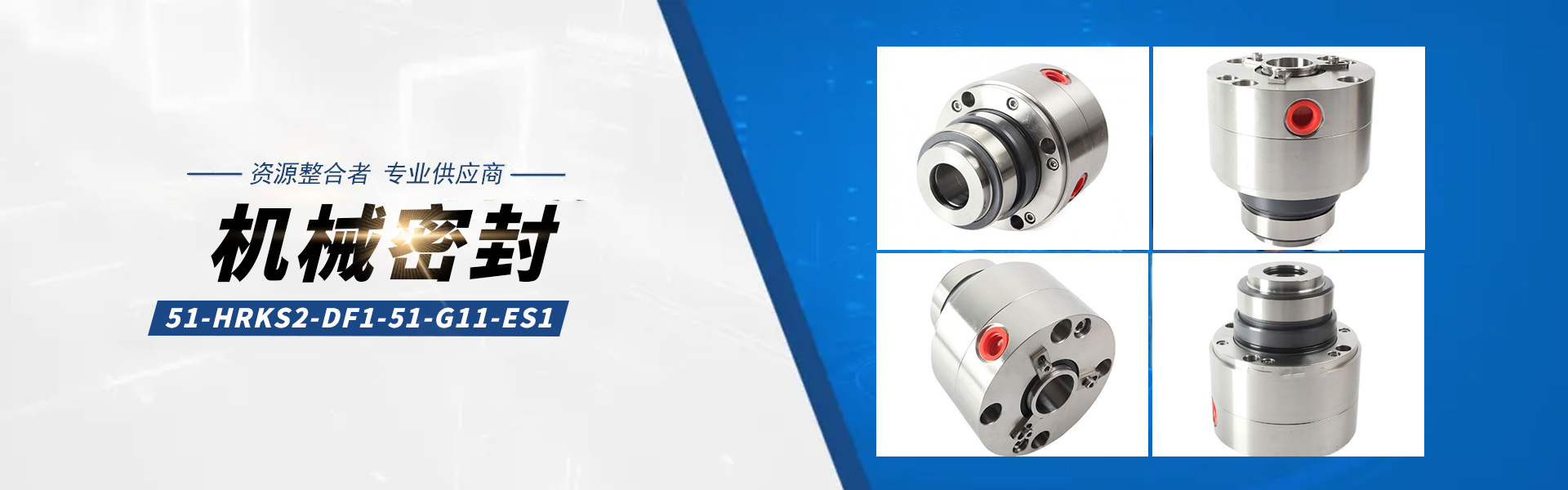
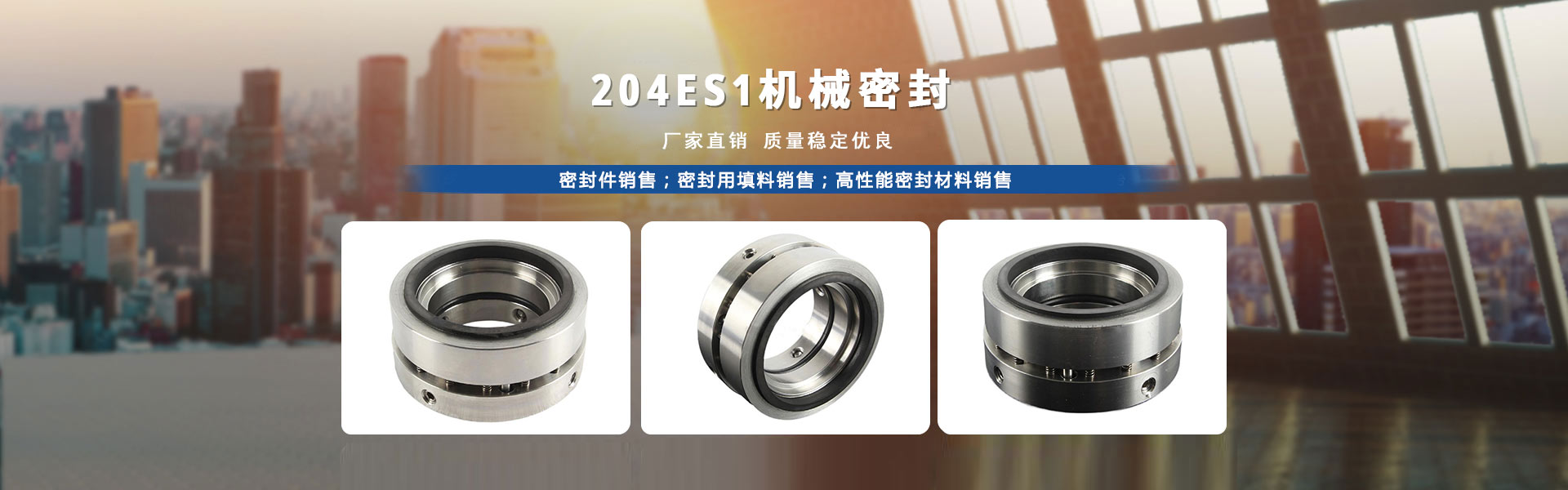
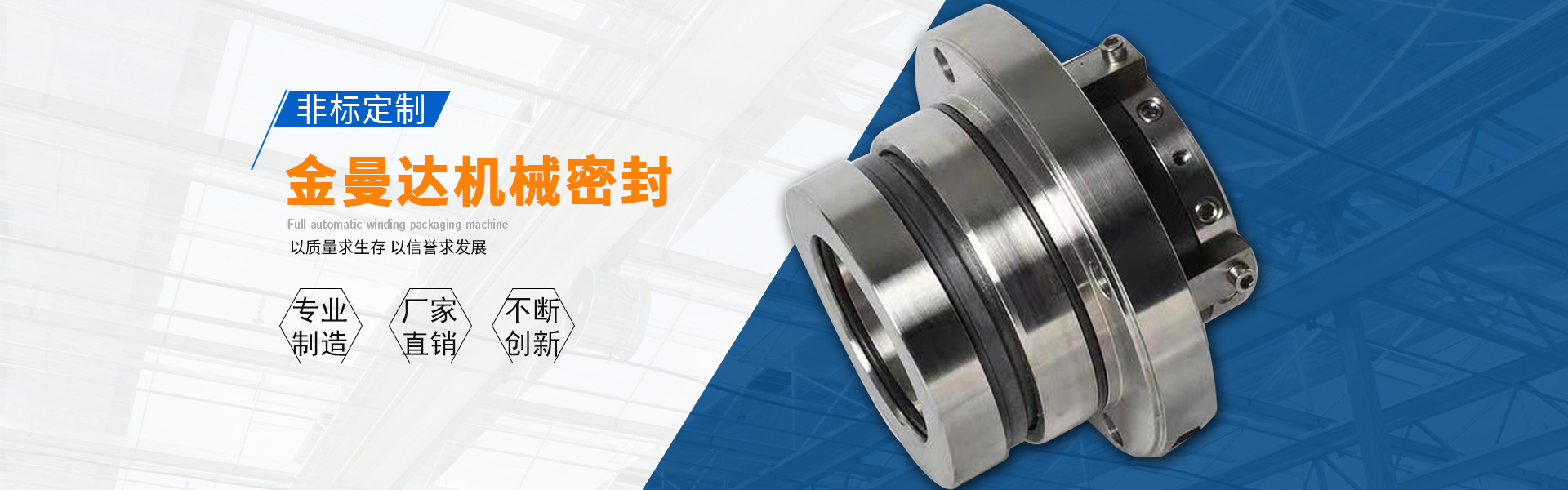

One, Mechanical Seal Preparation Stage for Glass Lined Reactor: Loosen and remove the static ring cover of the mechanical seal water jacket, inspect and clean the static ring, gasket, and ceramic surface; place the static ring with the grinding surface up into the water jacket after fitting it with a gasket; secure the static ring with the static ring cover, tighten the bolts but do not fully tighten to allow the static ring to move, facilitating later mechanical seal adjustments; check if the grinding surface of the dynamic ring of the mechanical seal is intact.
2. Glass Lined Reactor Equipment Preparation Phase: 1. Level and secure the glass-lined reactor vessel body, and lay soft pads at the bottom to protect the glass surface. 2. Thoroughly inspect the glass-lined agitator for any damage. 3. Carefully hoist the agitator, ensuring protection and avoiding impacts. 4. Clean and polish the agitator shaft head with fine sandpaper, and apply a small amount of lubricant according to the requirements of the medium inside the vessel, for ease of sealant lubrication during installation. 5. Clean the glass-lined surface of the vessel opening with a clean cloth soaked in a thin solvent. 6. Remove the plastic packaging from the outer surface of the large gasket on the vessel opening, wrap it with PTFE tape, and place it flat on the opening. 7. Use two people to support and stabilize the agitator shaft vertically within the reactor or wrap it with rope for securement to install the vessel lid. 8. Wrap the gasket at the lid's agitator hole with PTFE tape and place it above the pipe opening. 9. Wrap the agitator shaft head with a clean soft cloth to prevent wear during the lid hoisting process. 10. Hoist the lid slowly, allowing the agitator shaft to extend gently from the center of the lid's agitator hole. After the lid is hoisted, evenly distribute and diagonally secure all the clips configured for the reactor. Secure the adjustment bolts to the lid support. Place the quick-release flange and water jacket, leaving the screws loose for later adjustment of the sealant water jacket. Apply the appropriate lubricant evenly on the O-rings on the inside of the mechanical seal dynamic ring for ease of installation, and slightly loosen the screws on the side of the dynamic ring. Gently place the mechanical seal dynamic ring on the static ring, ensuring no damage to the two mating surfaces.
Three, Transmission and Mixing Installation Stage: ① Hoist the transmission unit (reducer and bracket, etc.) onto the reactor vessel cover support; ② Place the machine seal cap and anti-loosening nut in alignment; ③ Level the transmission unit bracket and adjust the height of the adjustment bolts to maintain a distance of 6-9 cm between the bottom of the bracket and the support; ④ Two to three installation personnel wear shoe covers and enter the tank through the manhole to install the mixer; ⑤ Carefully and slowly lift the mixer by the installation personnel inside, aligning the mixer shaft head with the bracket output shaft, while the personnel above manually rotate the motor fan counterclockwise (ensuring the bracket output shaft rotates clockwise), until the mixer is fully secured at the bottom.
Four, Sealing Device Adjustment Phase: a) Adjust diagonally and tighten the water jacket bolts to ensure the even gap between the inner ring of the dynamic seal and the agitator shaft; b) Diagonally tighten the static ring cover, manually rotate the agitator for testing to ensure no collision between the agitator shaft and the static ring; and clean the mating surfaces of the dynamic and static rings again; c) Gently lower the dynamic ring, making the mating surfaces of the dynamic ring touch the static ring, then use the sealing cap to lower the dynamic ring further, leaving a spring gap of 3mm, and tighten the side screws of the dynamic ring; d) Install the agitator anti-loosening lock ring and nut properly; e) Connect the motor power, first use the step-by-step start-up method to ensure the agitator rotates clockwise, then proceed with the full power start-up and operation.
The installation of double-end face mechanical seals for enamel-lined reactors can be divided into the following four stages:
Pre-installation Equipment Stage for Enamel-lined Reactor釜's Double-end Mechanical Seal: 1. Open the mechanical seal packaging box and carefully inspect the integrity of the enamel surface on the enamel-lined reactor. 2. Level and securely fix the reactor body, and lay soft pads at the bottom of the reactor to protect the enamel surface. 3. Thoroughly check for any damage on the reactor's agitator. 4. Carefully lift and install the enamel-lined agitator, ensuring protection and avoiding磕碰 during the process. 5. Gently lower the enamel-lined agitator to the center of the reactor's bottom. 6. Use fine sandpaper to clean and polish the agitator shaft head, apply a small amount of lubricant as required by the medium inside the tank to facilitate sealing installation. 7. Wipe and clean the enamel surface at the reactor's mouth with a clean cloth soaked in a dilute solution. 8. Remove the outer plastic packaging of the large gasket on the reactor's mouth, wrap it with Teflon tape, and then place the wrapped gasket flatly on the mouth. 9. Clean the enamel surface of the mixing hole on the flat lid of the reactor. 10. Wrap the gasket at the mixing hole of the flat lid with Teflon tape and place it flatly on the pipe mouth. 11. Lift the flat lid into position, lower it slowly, allowing the agitator shaft to extend from the center of the lid's mixing hole. 12. Use a soft cloth to evenly stuff the gap between the agitator shaft and the mixing hole to prevent collision and wear during the lid's lifting. 13. Distribute and securely tighten all the clamps on the reactor uniformly.
Two, Installation Stage of Mechanical Seal Reducer for Enamel Reactor: 1. Gently slide the mechanical seal onto the impeller shaft head; 2. Adjust the mechanical seal to align with the bolt holes of the flat cover bracket; 3. Screw in the bolts but do not tighten them yet; 4. Separate the reducer from the bracket; 5. Hoist the reducer bracket; 6. Adjust the bracket direction so that the oil inlet and outlet of the mechanical seal face the opening of the bracket; 7. Lower the bracket into place, install the bolts, and securely tighten them diagonally; 8. Place the anti-loose lock ring and nut on the center disc of the bracket; 9. Install the impeller lifting bolts; 10. Lift the impeller vertically and slowly (recommend using a manual winch); 11. Position the "key" of the impeller shaft into the keyway of the shaft; 12. Adjust the "key" position of the shaft and continue to lift the impeller into place slowly; 13. After the impeller is raised into place, rotate and tighten the nut to lock it; 14. Place the "key" of the impeller shaft head into the keyway of the shaft head; 15. Install the coupling at the corresponding key position of the shaft head; 16. Hoist the reducer into place over the coupling keyway; 17. Secure the reducer to the bracket with bolts and tighten them diagonally.
Three, Sealing Adjustment Phase: ① Adjust and tighten the bottom bolts of the sealing ring diagonally to ensure an even gap between the inner ring of the sealing and the agitator shaft; ② Perform a manual rotation test to ensure there is no collision between the agitator shaft and the moving inner ring of the sealing, with an even gap; ③ Open and lock the fixed locking tabs above the sealing ring outward; ④ To ensure the sealing effect, press the mechanical seal shaft sleeve down by 1~2mm; ⑤ Tighten all the bolts around the top of the sealing sleeve diagonally to secure it.
Four, Installation of Seal Parts and Fitting Tubing: ① Install the pressure equalizing tank on the side of the reducer bracket; ② Install the inlet and outlet pipes according to the pipe mouth markings on the seal; ③ Fill the equalizing tank with 46-grade engine oil to 3/4 full; ④ If the pot pressure is greater than 4MPa, the pressure in the equalizing tank must be more than 1.5MPa higher than the pot pressure; ⑤ If the pot pressure is less than 4MPa, no pressure is needed in the equalizing tank; ⑥ Clean and inspect the fitting tubing for any damage; ⑦ Hoist the fitting tubing into place; ⑧ Place the Teflon gasket at the tank cover fitting opening; ⑨ Gently lower the fitting tubing into the pot through the pipe opening; ⑩ Secure the fitting tubing with the lug bolt of the union flange; 11, Connect the motor power, first use the single-pulse test run method to ensure the stirrer rotates clockwise, then proceed with the power-on test run.
