

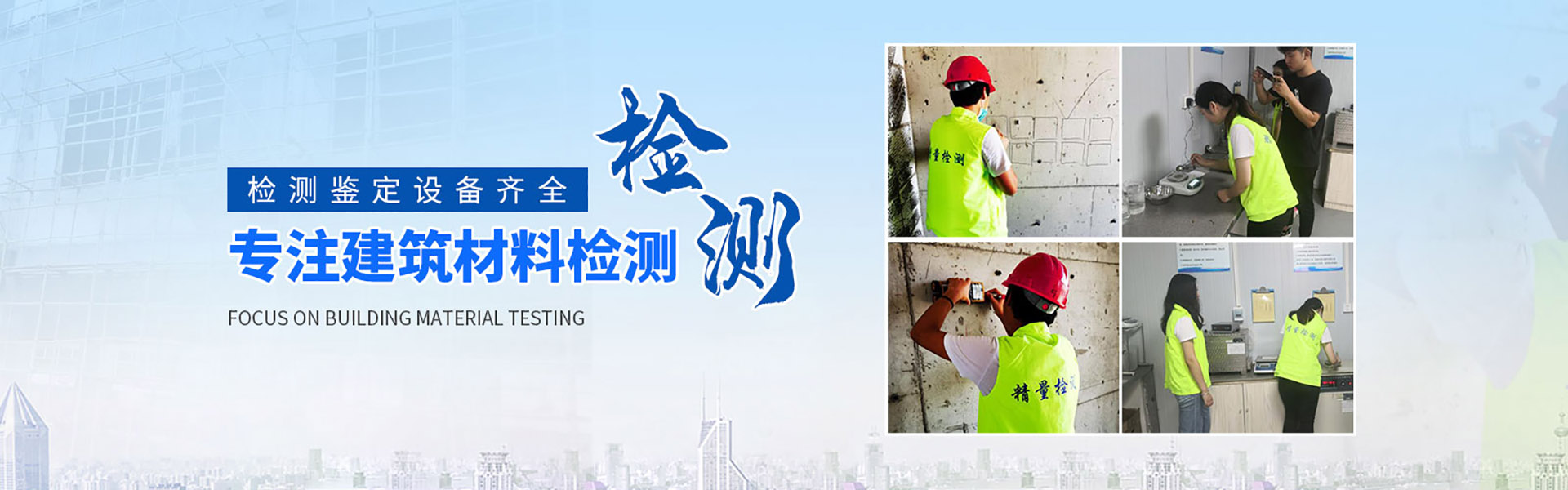


HanYang District Steel Structure Factory Building Load Safety Inspection Report Application. The HanYang District Factory Building Structural Safety Inspection Center has established and is using factory seismic defense requirements. Concerned about factory safety issues, if the HanYang District factory building needs structural modification, expansion, or additional stories, it is necessary to conduct reliability inspections and appraisals of HanYang District industrial buildings, as well as load safety inspections of steel structure factory buildings. The inspection and appraisal results serve as a necessary technical basis for design modifications and expansions, and are essential documents for reporting construction, approval processes, and property certification.
Building Structure Inspection 1. Field inspection of concrete structure strength (ultrasonic rebound comprehensive, rebound method, core drilling method, etc.) 2. Field inspection of masonry mortar strength (penetration method, rebound method, etc.) 3. Field inspection of masonry strength (in-situ axial compression method) 4. Reinforcement protection layer thickness detection (non-destructive testing) 5. Static load test of structural performance of concrete components (deflection, crack resistance, bearing capacity, crack width) 6. Post-grouting anchor pull-out bearing capacity test 7. Structural deformation detection (settlement, tilt, cracks, etc.) 8. Concrete appearance and defect detection (ultrasonic testing) 9. Masonry structure deformation and defect detection (cracks, weathering, spalling, verticality) 10. Internal defects of steel structures (ultrasonic testing) 11. Steel structure grid deformation
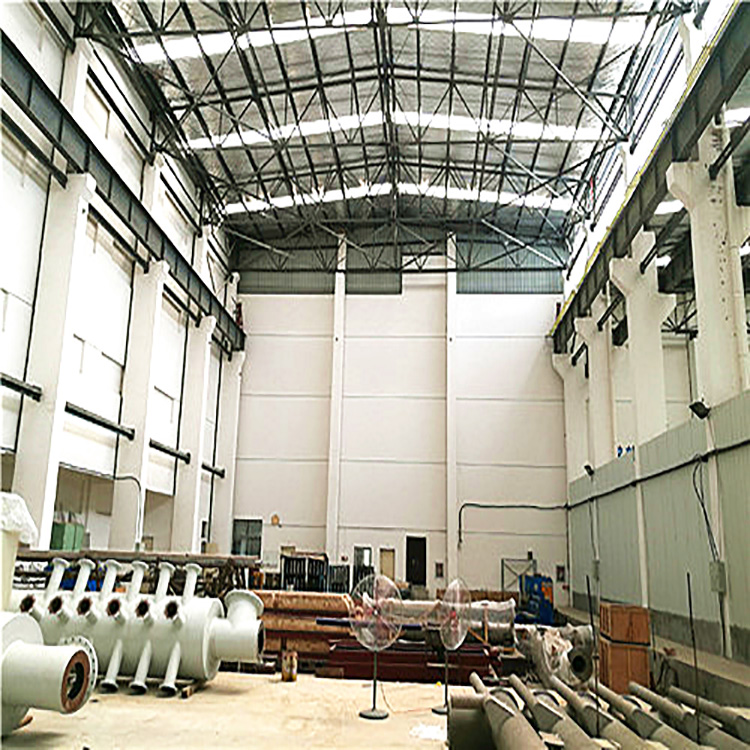
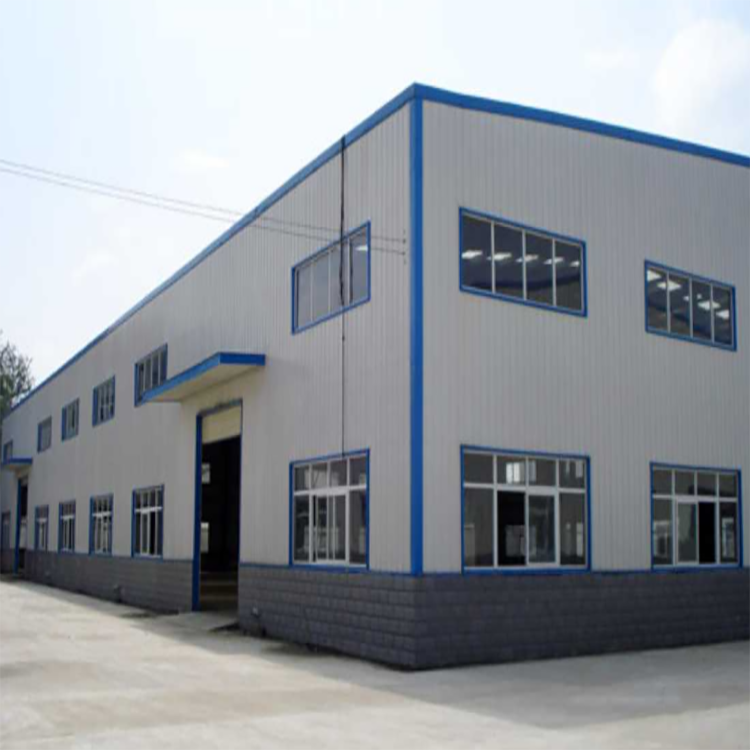
Hanyang District steel structure factory building load-bearing safety inspection report applications cover primary services such as dangerous building identification, condition and damage level assessment, adjacent construction impact assessment, safety reliability assessment, seismic assessment, post-disaster assessment, historical protection building identification, industry license certification, and building component testing.
Building Seismic Evaluation: (1) For buildings that were originally designed without seismic fortification requirements or for those that already have structures with seismic fortification requirements but have not considered the latest seismic fortification standards, especially for medium and small school buildings and other structures in seismic fortification categories, it is necessary to re-evaluate the seismic measures, calculate the seismic capacity, conduct a seismic performance assessment of the buildings, and propose treatment recommendations. (2) For buildings that have been renovated but the renovation design does not consider current seismic fortification requirements, or for buildings that have exceeded their designed service life, it is required to re-evaluate the seismic measures, calculate the seismic capacity, and conduct a seismic performance assessment of the buildings.
1. Home safety assessments primarily target buildings constructed after the 1950s, which are routine safety evaluations and a common type within the category of home safety. The complexity of the assessment is determined based on the on-site conditions, as such buildings are often affected by usage factors.
2. Residential Usability Assessment: This type of property assessment focuses on whether the property affects the normal usability of the occupants, such as issues like decorative repairs, leaks, hollow spots, etc. During the inspection, there is a greater emphasis on reviewing the drawings and the actual site conditions. This type of property assessment is often conducted for purposes such as property registration or changes in the use of the property.
Structural Safety Assessment for Residential Renovations: This type of building safety assessment primarily focuses on the renovation of the internal structure or the addition of new buildings to increase load-bearing capacity. The key is to verify and recheck whether the renovation has affected the integrity of the building before and after, and whether it meets the standardized requirements.
Safety Assessment of Building Components: This type of safety assessment focuses on the evaluation of individual components within a building. It meticulously examines whether the removal or modification of specific components such as concrete beams, slabs, and columns, would impact the structural integrity of the building and whether there are any signs of deterioration.
5. Hazardous Building and Building Condition Assessment: The "Hazardous Building Identification" (JGJ125-99) is commonly applied to buildings with a certain system but unreasonable materials, such as old brick and wood structures; the "Building Condition Rating" is often used for irregular, non-systematic non-building structures. Therefore, when conducting building safety identification, it is necessary to reasonably select the normative basis and identification according to the actual on-site conditions.
