





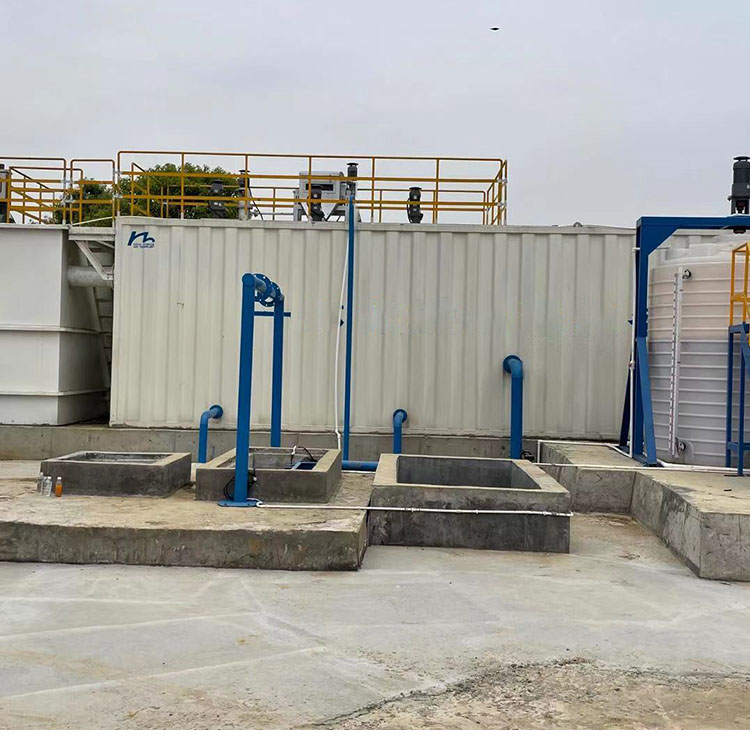

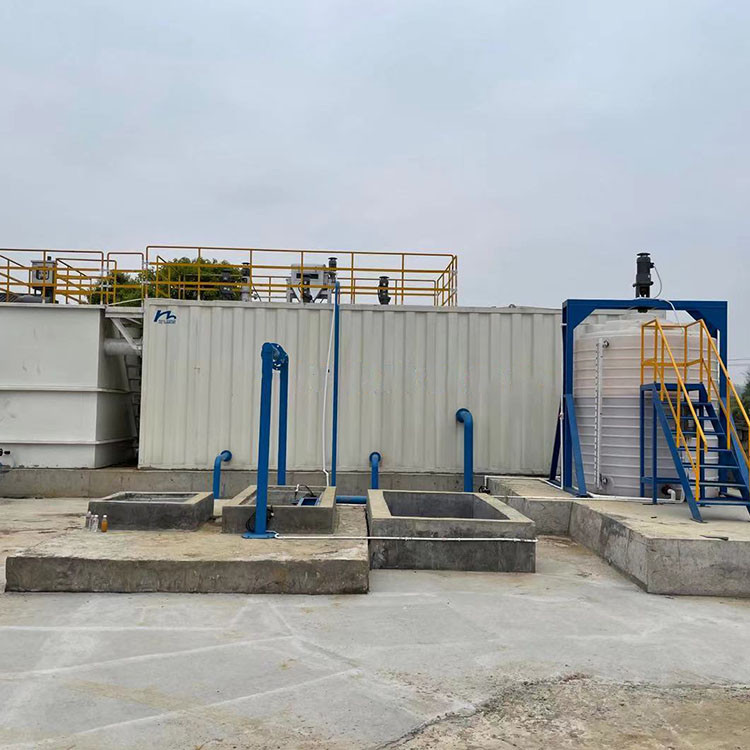
The magnetic coagulation sedimentation technology involves simultaneously adding magnetic powder to the conventional coagulation sedimentation process, allowing it to bind with pollutants to form a single entity, thereby enhancing the coagulation and flocculation effects. This results in denser and stronger flocs, achieving rapid sedimentation. The magnetic powder can be recycled and reused through magnetic drums.
Magnetic coagulation mechanism
According to the mechanism of coagulation, the addition of coagulants primarily alters the surface properties of colloids or suspended particles, making the attractive energy of colloids or flocs greater than the repulsive energy to promote aggregation. The role of flocculants is mainly to increase particle aggregation through bridging action.



The formation process of magnetic floc is similar to that of non-magnetic floc, both being completed under the action of coagulants. The test results of the ζ-potential of magnetic powder indicate that the surface of the magnetic powder is negatively charged (ζ=-10.5 mV). From this, it can be inferred that the formation of magnetic floc proceeds as follows: Firstly, the positively charged ions produced by the hydrolysis of the coagulant aggregate around the negatively charged colloidal particles and magnetic powder particles due to electro-neutralizing adsorption; then, due to the disappearance of electrostatic repulsion, the colloidal particles and magnetic powder particles grow larger through van der Waals attraction between them and within themselves; finally, through the bridging action of the flocculant, the aggregates are further flocculated into large flocs and settle. Thus, the magnetic flocculation reaction involving magnetic powder is essentially no different from the flocculation reaction without magnetic powder. Like other fine suspended particles, the mechanism of action of the coagulant also applies to it, and the existing coagulation theory is also of guiding significance for the magnetic flocculation reaction. All enhanced coagulation measures will promote the progress of the magnetic flocculation reaction.
