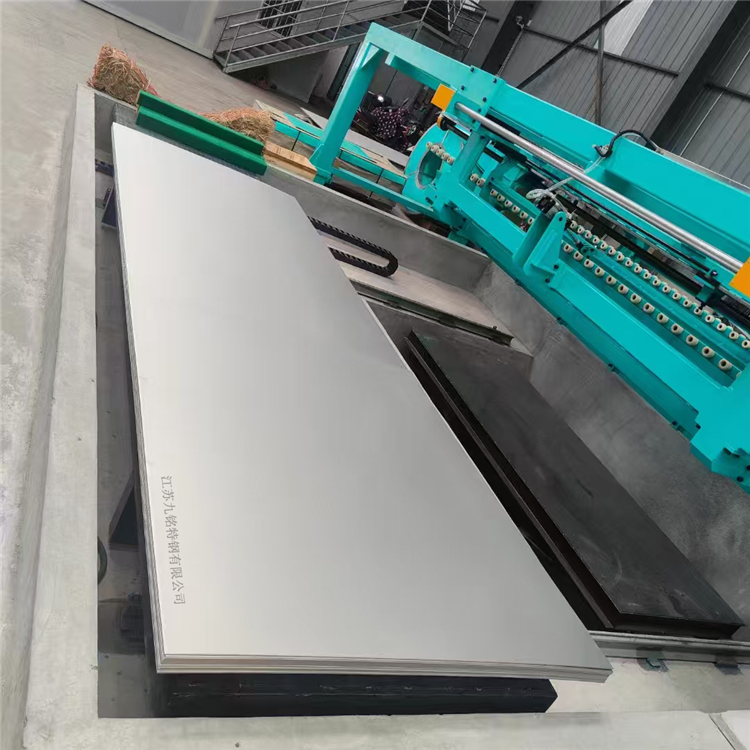
Detailed composition and property analysis of Hastelloy C276 alloy
Chemical Composition (Weight Percentage %)
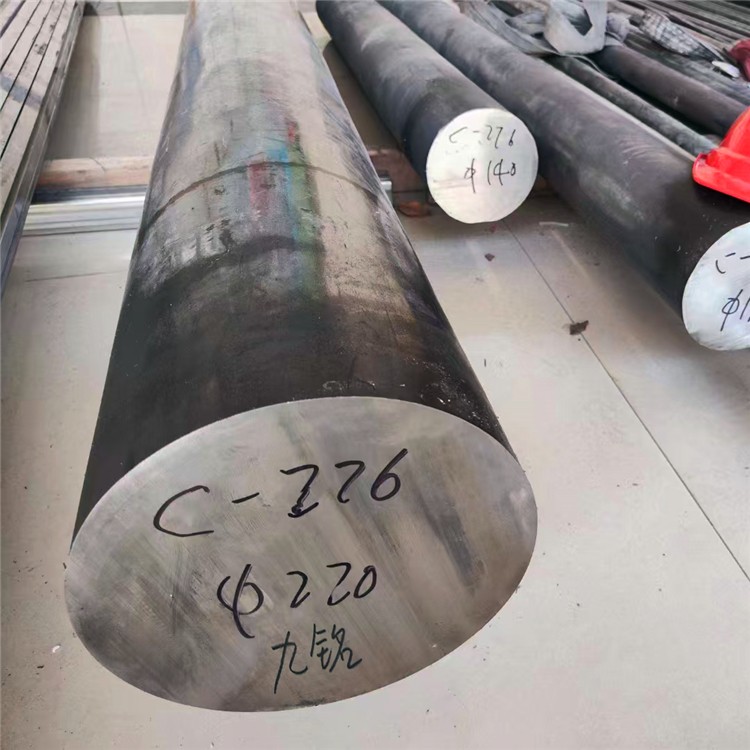
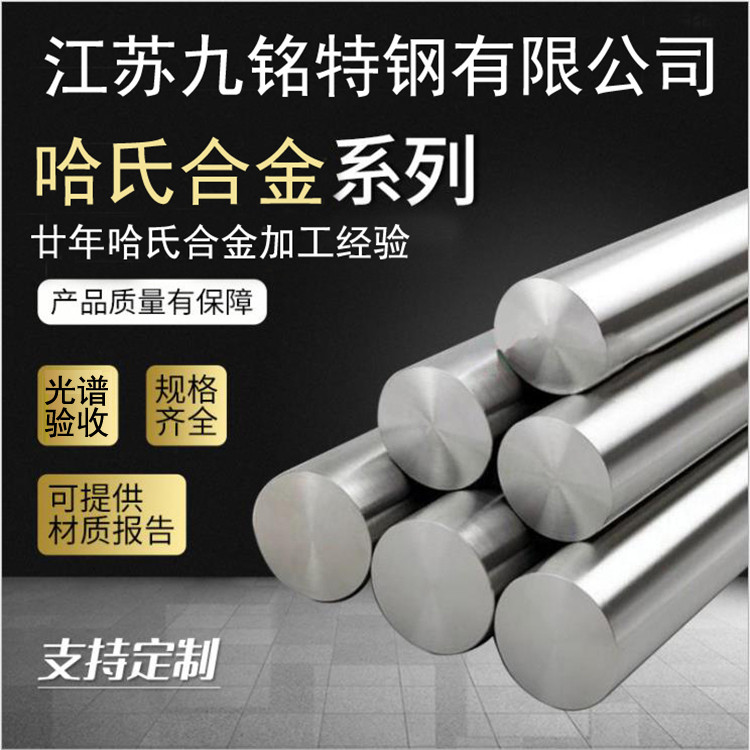
Hastelloy C276 is a nickel-based high-temperature alloy, with typical composition as follows:
Nickel (Ni): Inventory (approximately 54%)
Chromium (Cr): 14.5–16.5% (Enhances antioxidant and corrosion resistance)
Molybdenum (Mo): 15-17% (Enhances resistance to corrosion in reducing media)
Tungsten (W): 3–4.5% (to assist molybdenum in enhancing resistance to pitting corrosion)
Iron (Fe): 4-7% (Balancing cost and performance)
Cobalt (Co): ≤2.5% (Enhances high-temperature strength)
Carbon (C): ≤0.01% (reduces intergranular corrosion risk)
Manganese (Mn), Silicon (Si): Each ≤1% (deoxidizer)
Vanadium (V): ≤0.35%, Sulfur (S), Phosphorus (P): ≤0.03% (impurity control)
II. Physical Properties
Density: 8.89 g/cm³
Melting Point: 1325–1370°C
Thermal Conductivity: 11.1 W/(m·K) at 20℃
Coefficient of thermal expansion: 11.2 μm/m·K (20-100℃)
Section 3: Mechanical Properties
Tensile Strength: ≥690 MPa (Room Temperature)
Yield Strength: ≥283 MPa (Room Temperature)
Tensile elongation: ≥40% (room temperature)
High-Temperature Performance: Maintains high strength at 600°C and exhibits excellent creep resistance.
Four: Corrosion Resistance Properties
Reversibility environment: Performs excellently in acidic mediums and the like.
Local Corrosion: Resistance to pitting, crevice, and stress corrosion cracking, particularly in environments containing Cl⁻ ions.
High Temperature Applications: Good corrosion resistance in oxidizing atmospheres, but oxidation acceleration may occur above 650°C.
5. Processing & Welding
Cold and hot processing: requires annealing treatment (1150-1175℃), with a high rate of work hardening.
Welding: Recommend TIG and MIG welding; no heat treatment required after welding, but avoid carbon contamination.
Caution: The corrosion resistance of the welding area is slightly reduced; it is recommended to use matching welding materials (such as ERNiCrMo-4).
Section 6: Typical Application Fields
Chemical Industry: Reactors, Heat Exchangers, Pipes (especially for Cl⁻, H₂S environments).
Environmental Protection: Flue Gas Desulfurization (FGD) systems, wastewater treatment equipment.
Energy: Gas turbine components, nuclear fuel processing.
Seawater Desalination Plants, Offshore Platform Pipelines.
Section 7: Comparison with Other Alloys
vs. C22: C22 has a higher molybdenum content (13%) and better corrosion resistance, but C276 is more cost-effective.
vs. Stainless Steel: Significantly superior to 316L stainless steel in environments with strong acids and high temperatures containing Cl⁻ ions.
Summary: Hastelloy C276, with its balanced Ni-Cr-Mo-W composition, excels in extreme corrosive environments and is widely used in chemical, energy, and other fields. Its processing requires attention to hardening issues, but it has excellent welding properties, making it an ideal choice for complex corrosive conditions.