


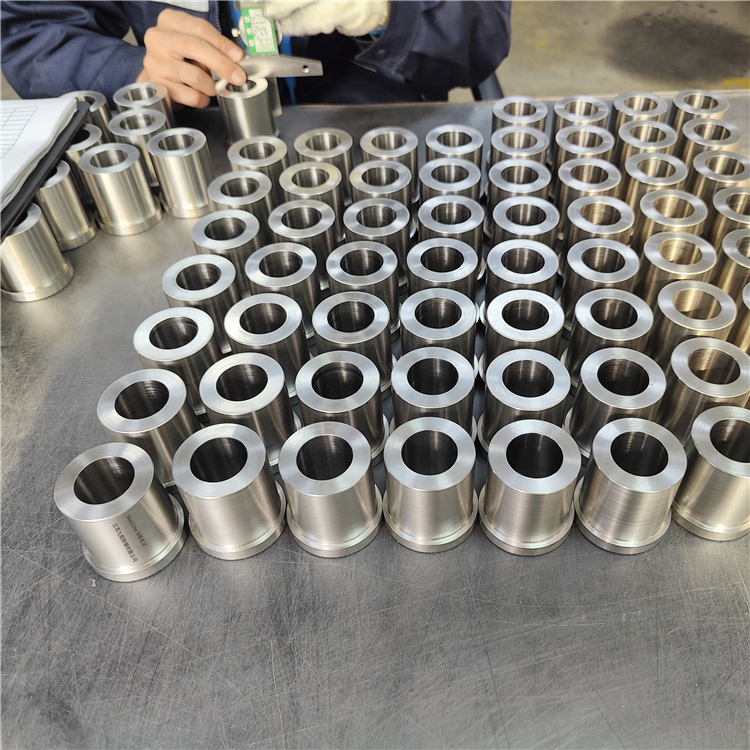

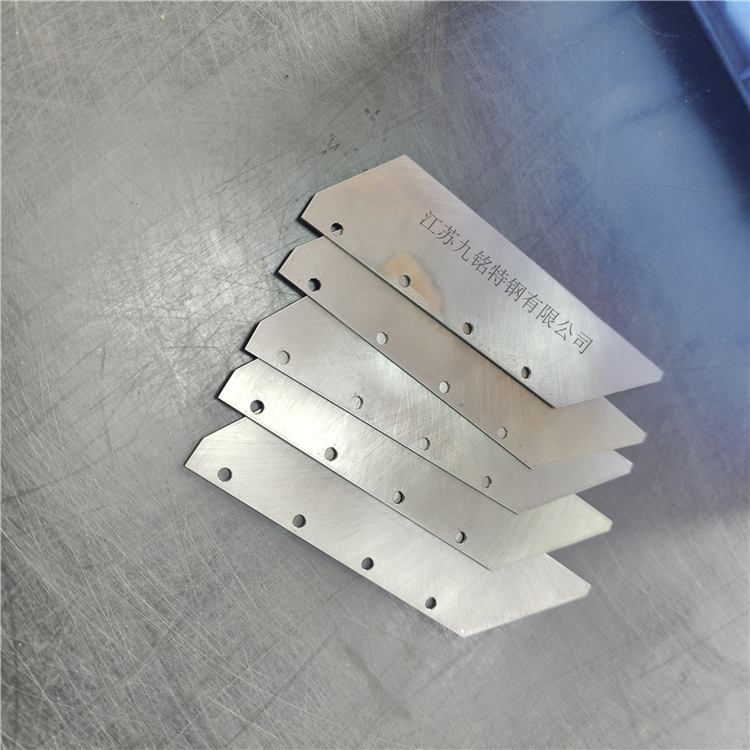
Cobalt-based alloys are hard metals capable of withstanding various types of wear, corrosion, and high-temperature oxidation. They are commonly referred to as cobalt-chromium-wolfram (molybdenum) alloys or Stellite alloys. These alloys primarily consist of cobalt, with substantial amounts of nickel, chromium, and tungsten, along with trace elements of molybdenum, niobium, tantalum, titanium, and lanthanum, and occasionally iron. Depending on the composition, they can be used to make welding wires, powders for hardfacing, thermal spraying, and other processes, as well as cast and forged parts and powder metallurgy components. Typical grades of cobalt-based high-temperature alloys include Haynes 188, Haynes 25 (L-605), Alloy S-816, UMCo-50, MP-159, FSX-414, X-40, Stellite 6B, among others. In China, equivalent grades include GH5188 (GH188), GH159, GH605, K640, DZ40M, and so on. Unlike other high-temperature alloys, cobalt-based high-temperature alloys are not strengthened by a solid-solution-strengthened face-centered cubic (fcc) matrix with a precipitated phase firmly bonded to the matrix, but rather by an austenitic fcc matrix with a dispersion of carbides.


