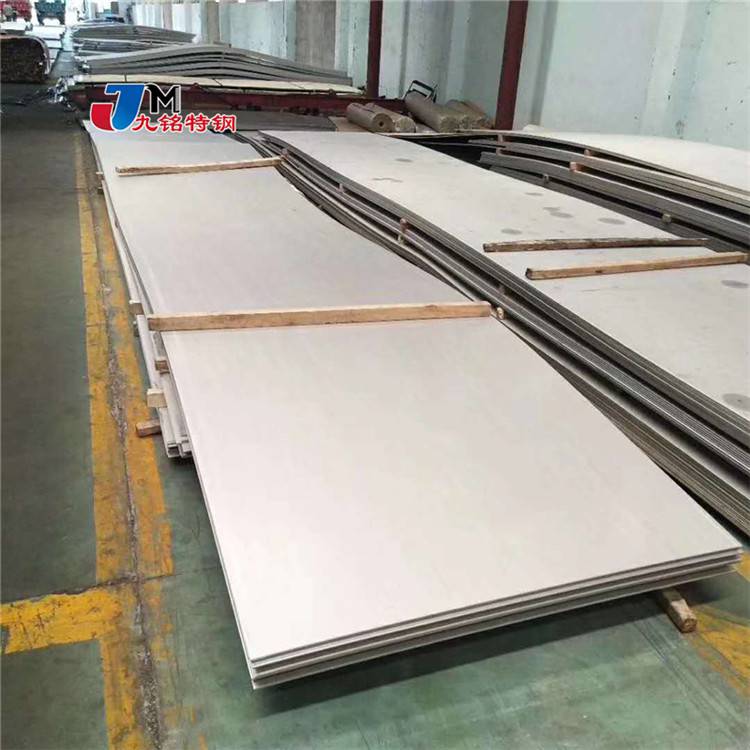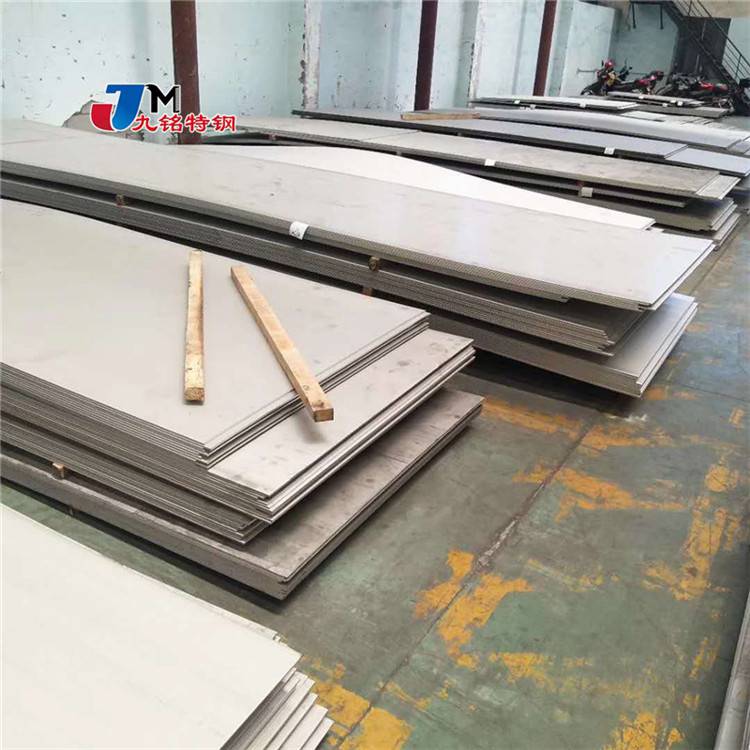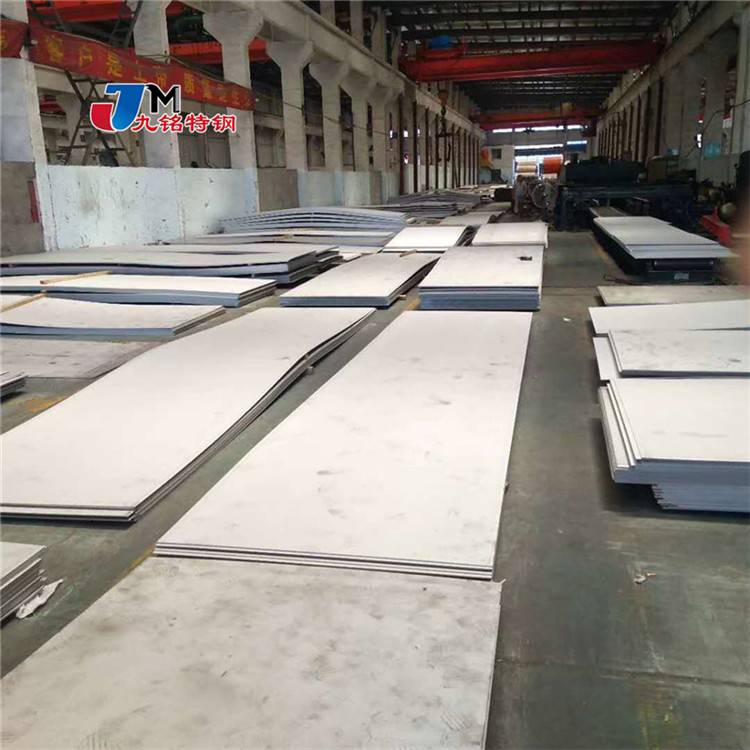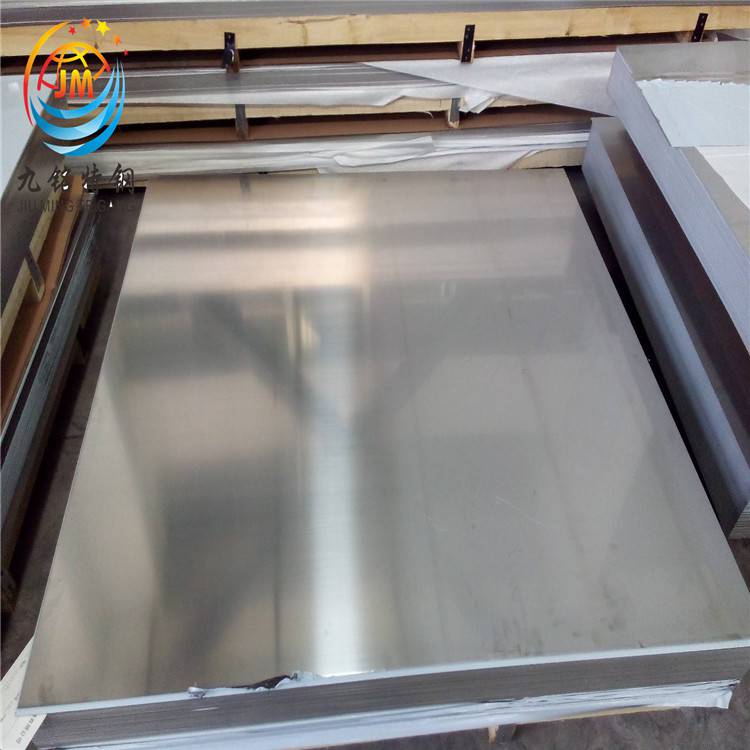
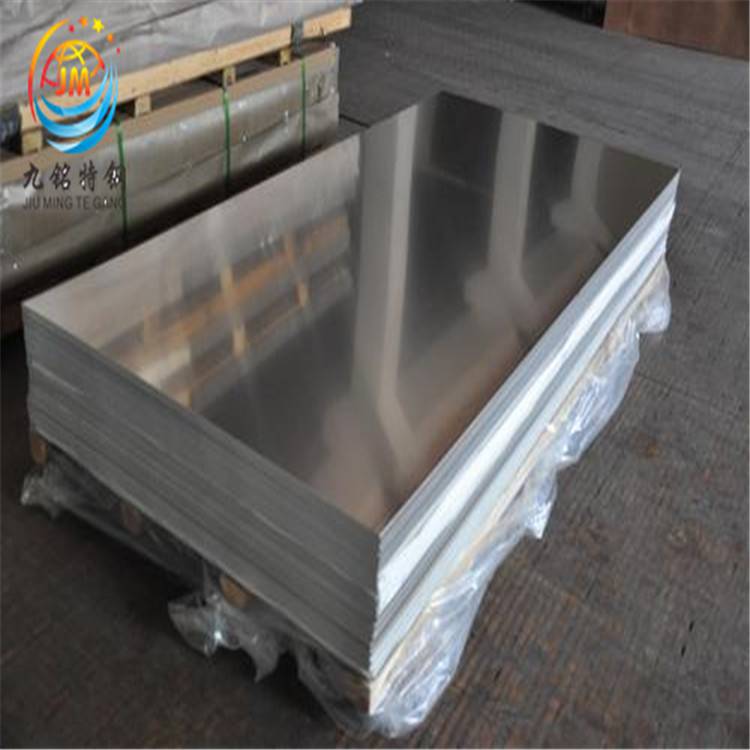
Jiuming Martensitic 1CR17 Stainless Steel Sheets, In Stock Retail 1CR17 Stainless Steel Plate, Reasonable Pricing
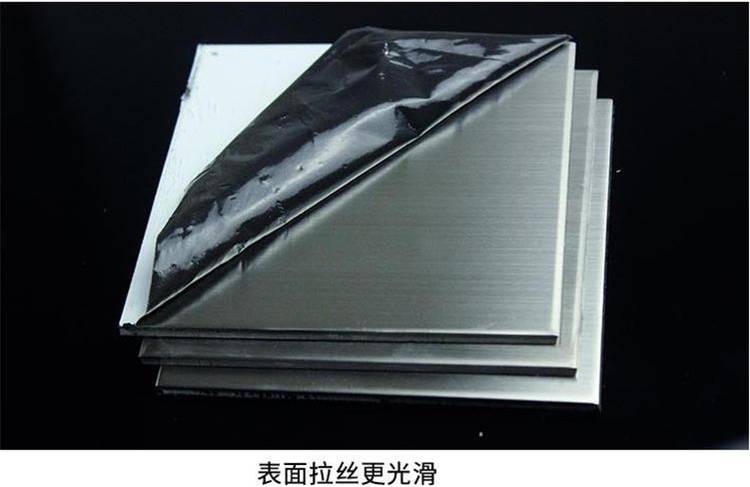
06Cr13 stainless steel plate is generally a collective term for stainless steel plates and corrosion-resistant steel plates, characterized by a smooth surface, high plasticity, toughness, and mechanical strength, as well as resistance to corrosion from gases, solutions, and other media. It is an alloy steel that is not prone to rust, but it is not rustproof. Stainless steel plates refer to steel plates that resist corrosion from atmospheric, steam, and weak media like water, while corrosion-resistant steel plates are those that withstand chemical侵蚀性 media such as salt. All stainless steel plates have high resistance to oxidation at high temperatures, but the oxidation rate can be affected by inherent factors such as the exposure environment and the product's form. They are divided into two types by manufacturing process: hot rolled and cold rolled, including thickness.
Sheet metal (0.2mm-4mm)
Medium Plate (4mm-20mm)
Thick Plates (20mm-60mm)
Extra-thick plates (60-115mm).
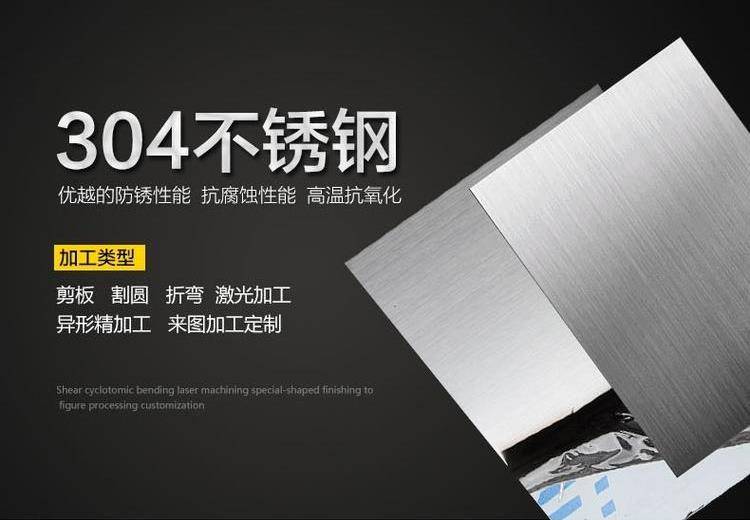
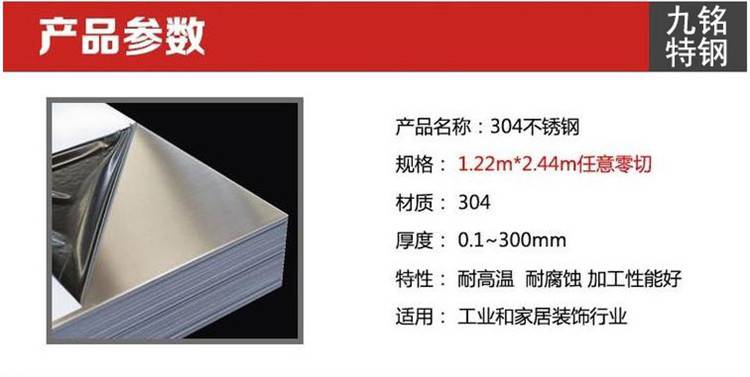
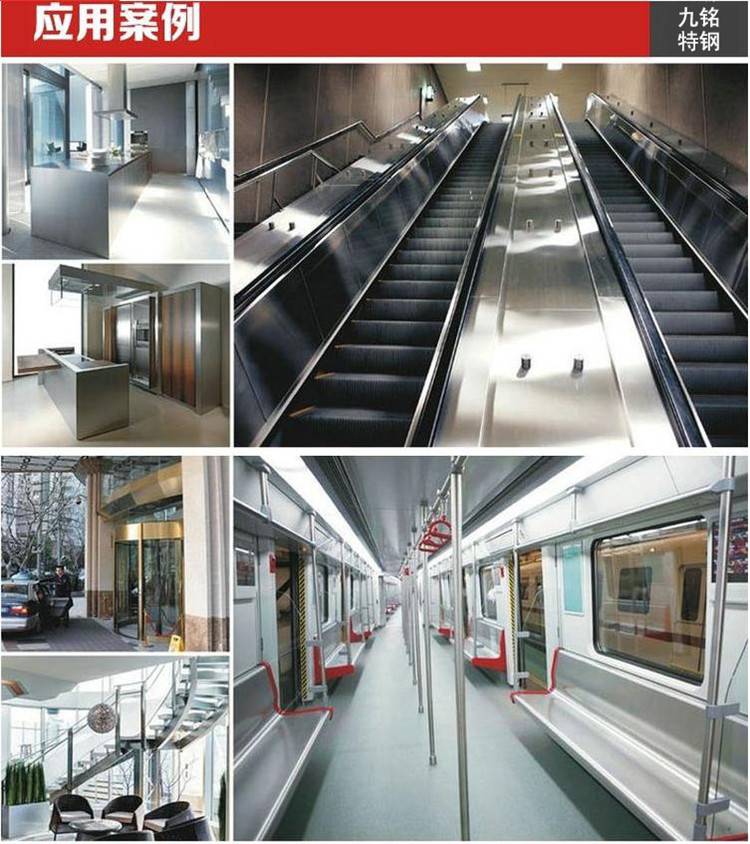
Stainless steel plates are generally categorized by their microstructural characteristics into martensitic, ferritic, austenitic, duplex, and precipitation-hardening types. They are required to withstand corrosion from grass, iron, nitric acid, nitric-hydrofluoric acid, copper, and various other substances. The corrosion resistance of stainless steel primarily depends on its alloy composition (chromium, nickel, titanium, silicon, aluminum, manganese, etc.) and internal microstructure, with chromium being the key element. Chromium possesses high chemical stability, forming a passivating layer on the steel surface that isolates the metal from the outside, protecting the plate from oxidation and enhancing its corrosion resistance. Once the passivating layer is damaged, the corrosion resistance decreases. They are used in industries such as chemicals, food processing, papermaking, oil, nuclear energy, as well as in construction, kitchenware, tableware, vehicles, and various household appliance components.
06Cr13 Mechanical Properties
Tensile Strength σb (MN/m²) >= 550
Yield Strength σs (MN/m²) >= 200
δ5 elongation (%) > = 40
Shrinkage ψ (%) ≥ 55
Hardness: ≤187HB; ≤90HRB; ≤200HV
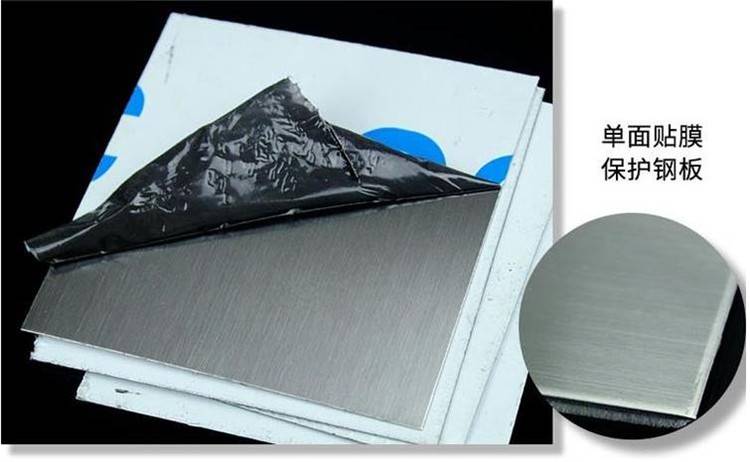
China's 06Cr13 is equivalent to AISI XXX, 06Cr13 = AISI XXXXXX=StandardXXXX=Russia 06Cr13=Japan 06Cr13=Germany 06Cr13-10=USA 06Cr13
If used at high temperatures of 700°C, 06Cr13 should be up to the task.It is a high-performance austenitic heat-resistant steel, but the temperature should not exceed 750°C. Its heat treatment involves solution heat treatment, which is heating to above 1000°C and then holding the temperature.Quench in water after a fixed time, then age at a temperature 60~100℃ higher than the usage temperature. Quantities available.
06Cr13 Equivalent Material, 06Cr13 Material Grade, 06Cr13 Corresponding Grade, 06Cr13 Material Type, 06Cr13 Model, 06Cr13 Grade Comparison, 06Cr13 Price per Kilogram, 06Cr13 Price per Foot, 06Cr13 Price per Kilogram, 06Cr13 Price per Kilogram, 06Cr13 Steel Grade Comparison Chart, What Can 06Cr13 Steel Be Used For, 06Cr13 Steel Original Import Quotation, 06Cr13 Function Details, 06Cr13 Benefits and Effects, 06Cr13 Supplier Quotation, 06Cr13 Original Supply, 06Cr13 Austenitized Rod, 06Cr13 Specifications and Shapes, What Material is 06Cr13 GB Standard, What Material is Used in 06Cr13 GB Standard, Does 06Cr13 GB Standard Have a Corresponding Grade, 06Cr13 Domestic Equivalent Model, What Grade is 06Cr13, What Material is Suitable for 06Cr13, What Material is 06Cr13.
06Cr13 Mechanical Properties
Tensile Strength σb (MN/m²) >= 550
Yielding Strength σs (MN/m²) >= 200
δ5 elongation (%) ≥ 40
Shrinkage ψ (%) ≥ 55
Hardness: ≤187HB; ≤90HRB; ≤200HV
Timely delivery company offers other materials mainly
Austenitic: 304 (0Cr18Ni9), 304L (00Cr19Ni10), 304N, 309S, TP310S (0Cr25Ni20, 2520 high-temperature tube), 314, TP314 (1Cr25Ni20Si2), 316 (0Cr17Ni12Mo2), 316L (00Cr17Ni14Mo2), 316Ti, 316N, 317, 317L (00Cr19Ni13Mo3), 321, TP321 (0Cr18Ni10Ti), 347 (0Cr18Ni11Nb), 347H, TP410, TP420, TP430, C15, 600, 625, X-750, 718, 825, 904L (00Cr20Ni25Mo4.5Cu, UNS N08904), 926, etc.
Duplex Steel: UNS S31803 (00Cr22Ni5Mo3N SAF2205, UNS S32304 (00Cr23Ni4N SAF 2304), UNS S32750 (00Cr25Ni7Mo4N SAF 2507) and others
Martensite: TP410 (1Cr13), 0Cr13, TP420 (2Cr13, 3Cr13), TP430 (1Cr17), TP405 (0Cr13Al) etc.
Nickel Alloys: Monel 400, 800/800H, 800HT, HASTY, C-276, etc.
Urea Steel: TP316L (00Cr18Ni14Mo3), S31050 (00Cr25Ni22Mo2) etc. Standards: ASTM A312, ASTM A213, ASTM A269, ASTM A511, ASTM A789, ASTM A790, ASTM A268, ASTM A450/A450M, JIS G3459, JIS G3463, DIN 17456, DIN 17458, EN10045, EN10305, EN10216, GB/T14975-2002, GB/T14976-2002, GB13296, GB5310
410S (06Cr13) stainless steel is a martensitic stainless steel. Stainless steels are categorized by microstructure into austenitic, ferritic, martensitic, dual-phase, and precipitation-hardening types. The term "rustproof iron" is a common misnomer; any steel with a Cr content greater than 13 can be called stainless steel. 410S stainless steel offers excellent corrosion resistance and machinability, suitable for general-purpose and cutting tool steels. 410S is a steel grade that improves the corrosion and formability of 410 steel. 410F2 is a lead-easy cutting steel that does not degrade the corrosion resistance of 410 steel. 410J1 is a high-strength steel grade that further enhances the corrosion resistance of 410 steel, used for turbine blades and high-temperature components. Due to the higher hardness of 410S, cold-rolled stainless steel coils are generally not trimmed for edge finishing and are opened to width as per the factory dimensions.