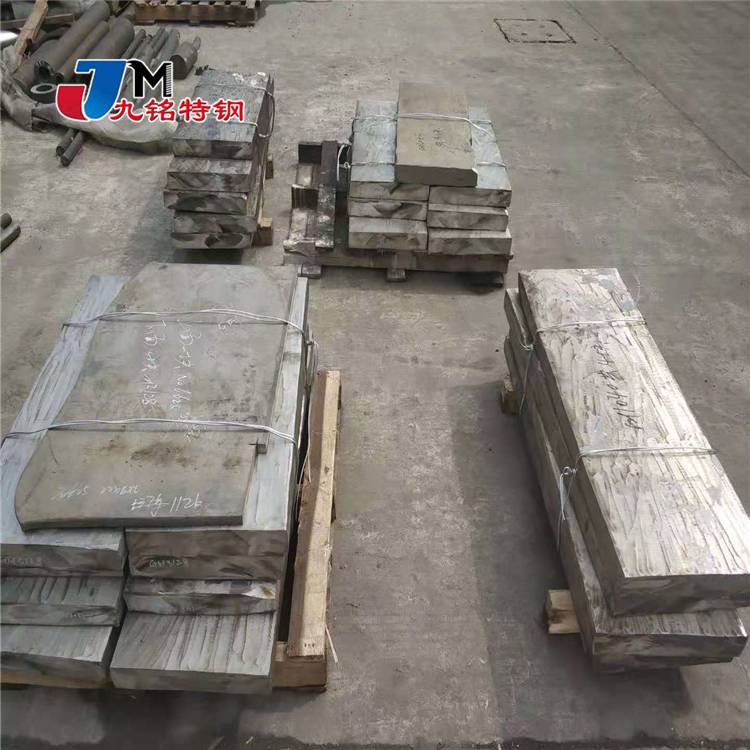
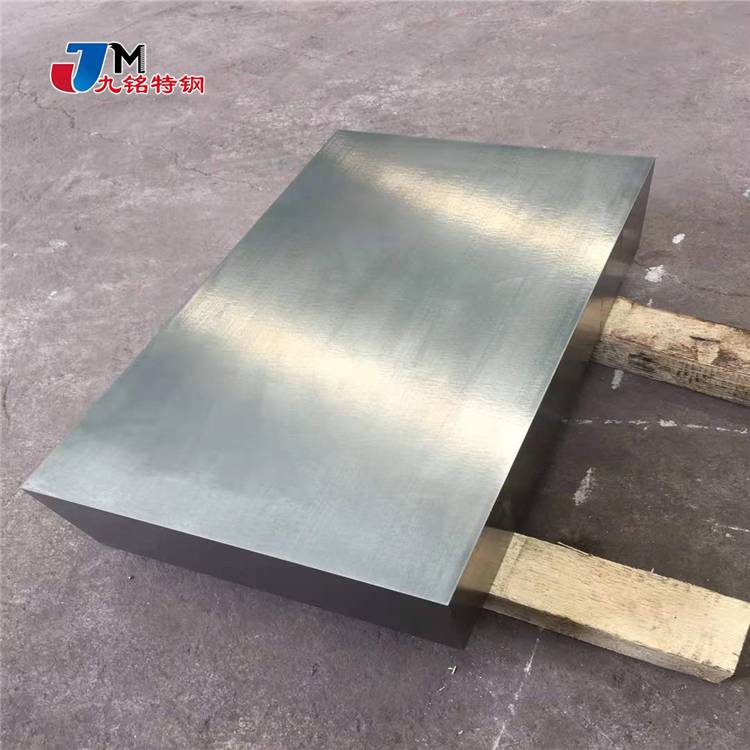
Supply NS334 Corrosion-Resistant Alloy, NS334 Corrosion-Resistant Alloy Plate, NS322 Round Bar, Forged Parts Customization
NS334 is a nickel-based alloy, withstanding high temperatures and corrosion resistance.
NS334 corresponds to grade Hastelloy C-276, W.Nr. 2.4819 NiMo16Cr15W (Germany), NC17D (France)
Overview of Features and Application Fields:
Excellent corrosion resistance in both oxidizing and reducing states to most corrosive media. Outstanding resistance to pitting, crevice, and stress corrosion cracking. The alloy is suitable for various chemical process industries containing oxidizing and reducing agents. Higher
The molybdenum and chromium content allows the alloy to withstand corrosion from chloride ions, while the tungsten element further enhances its corrosion resistance. Hastelloy C-276 is one of the few materials that can resist corrosion from damp chlorine gas, hypochlorites, and chlorine dioxide solutions.
High-concentration chloride salt solutions exhibit significant corrosion resistance (such as ferric chloride and copper chloride).
NS334 Chemical Composition:
Alloy | Nickel (Ni) | Chromium (Cr) | Iron Fe | Carbon (C) | Manganese (Mn) | Silicon (Si) | Molybdenum (Mo) | Tungsten | Cobalt (Co) | Vanadium | Phosphorus | Sulfur |
Small Value | Surplus | 15.0 | 4.0 | 15.0 | 3.0 | 0.1 | ||||||
Large value | 16.5 | 7.0 | 0.01 | 1.0 | 0.08 | 17.0 | 4.5 | 2.5 | 0.3 | 0.015 | 0.01 |
NS334 Physical Properties:
Density: ρ=8.9 g/cm³ Melting Temperature Range: 1325-1370°C
NS334 Mechanical Properties:
The values in the table below are the data obtained from the longitudinal and transverse measurements of the calibrated size specification samples (in the solution treated state), as well as for special specification products and special...
Material properties can be customized according to customer requirements.
NS334 ISO-V Notch Test:
Average: 120J/cm² Room Temperature
120J/cm2 -196
NS334 Corrosion Resistance:
Higher molybdenum and chromium contents enable the NS334 alloy to resist erosion by various chemical media, including reducing agents such as salt and chlorine.
Gaseous, organic, or inorganic chlorinated media. Due to its high nickel content, NS334 effectively resists stress corrosion cracking caused by chlorine, even at elevated temperatures.
A chloride solution.
Time-Temperature-Sensitization Curve (Carbon content 0.008, refer to ASTM G28 Method A)
Electroplating
NS334 alloy can be manufactured and processed through traditional production techniques.
Before and during heat treatment, the workpiece should always be kept clean and free from contamination.
3. Consider the alloy's susceptibility to sensitization during rapid cooling between 1000-600 degrees.
4. Avoid contact with sulfur, phosphorus, lead, and other low-melting point metals during the heat treatment process, as this can impair the alloy's performance. Pay attention to such markings
Record paint, temperature indicating paint, colored crayons, lubricants, fuel, and other contaminants.
5. Lower sulfur content in fuel is preferable; the sulfur content in natural gas should be less than 0.1%, and in heavy oil, it should be less than 0.5%.
6. The furnace gas for the heating furnace should be neutral to slightly oxidizing, and fluctuations between oxidizing and reducing properties should be avoided. The heating flame should not burn directly
Towards the workpiece.