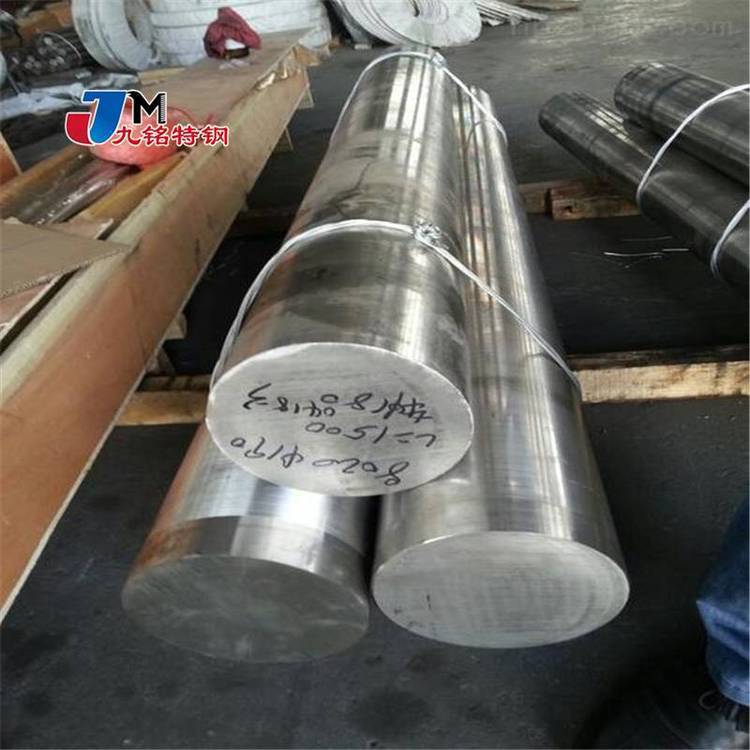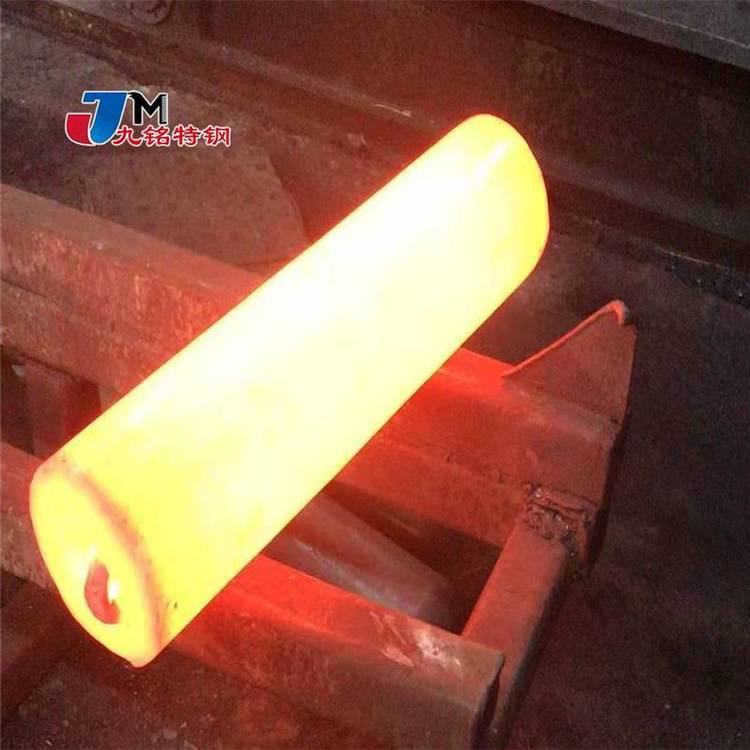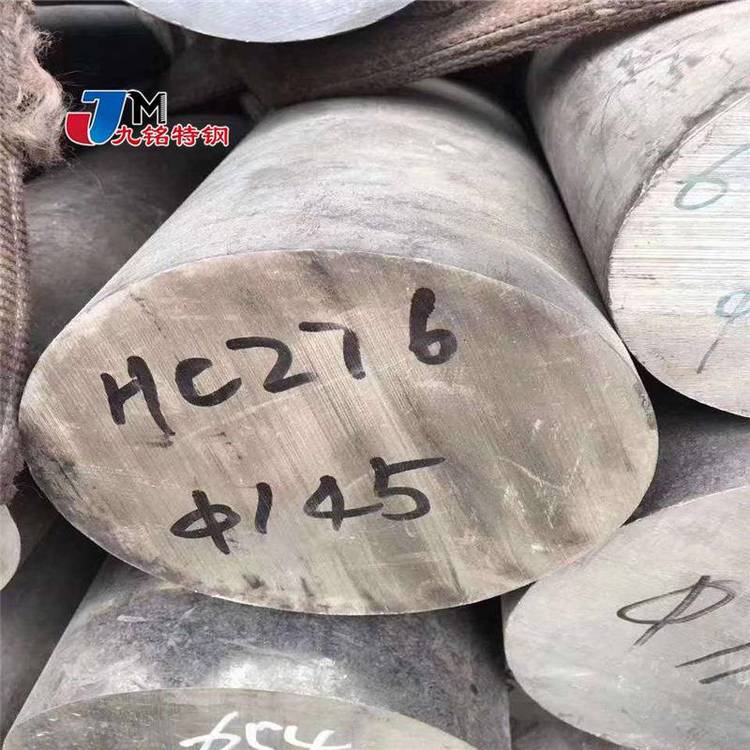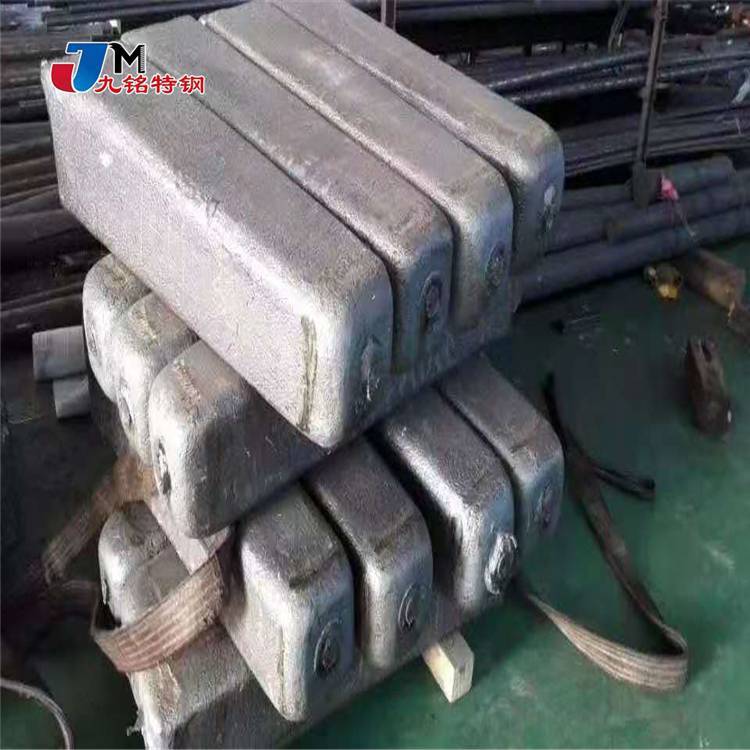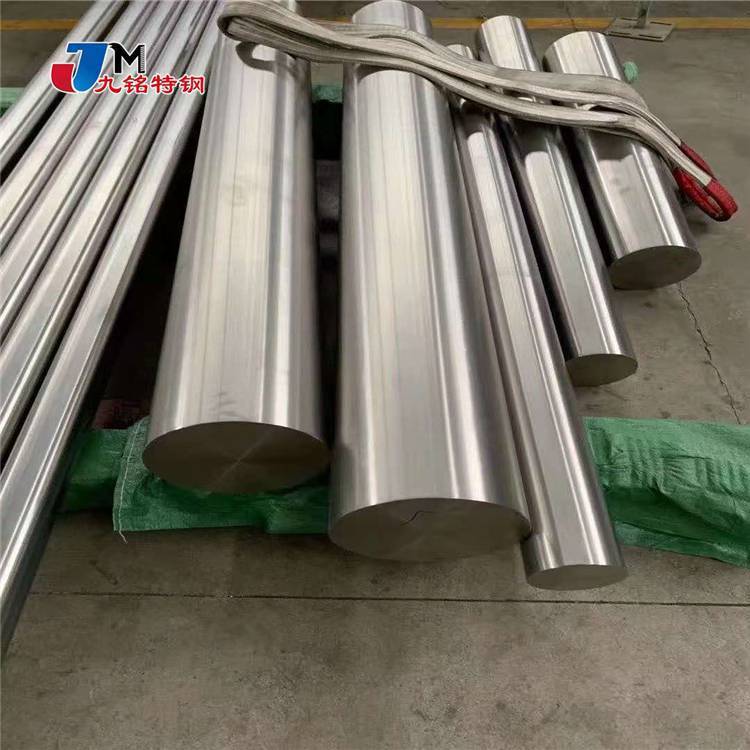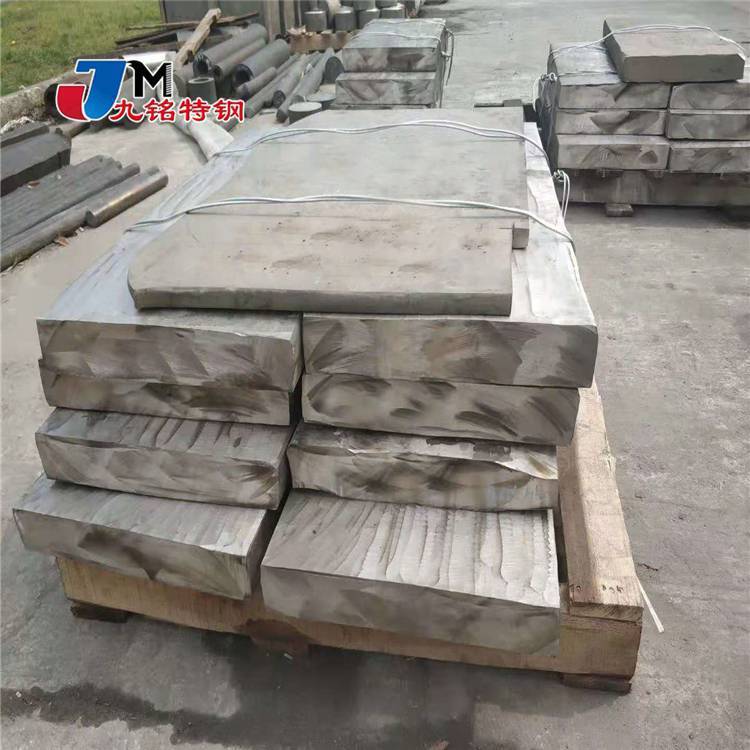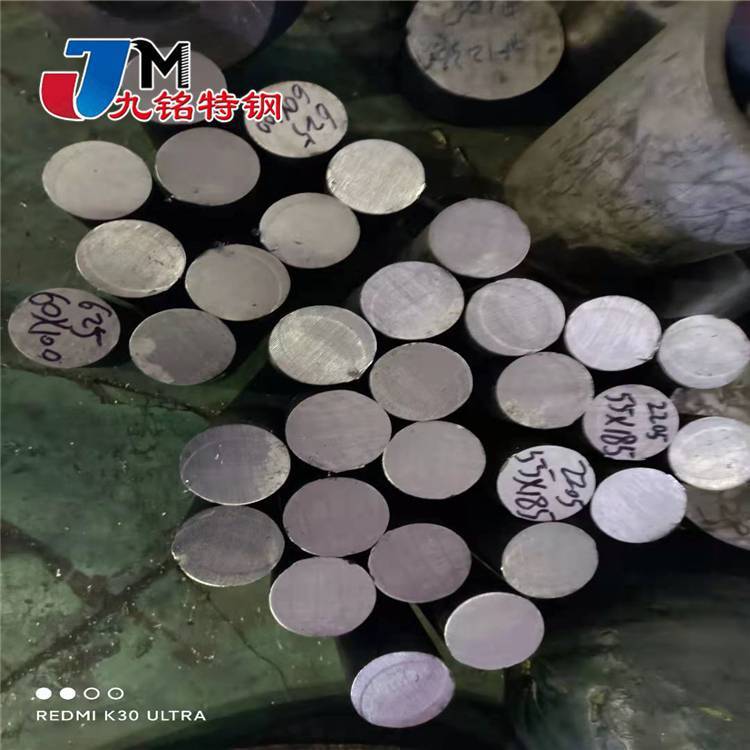
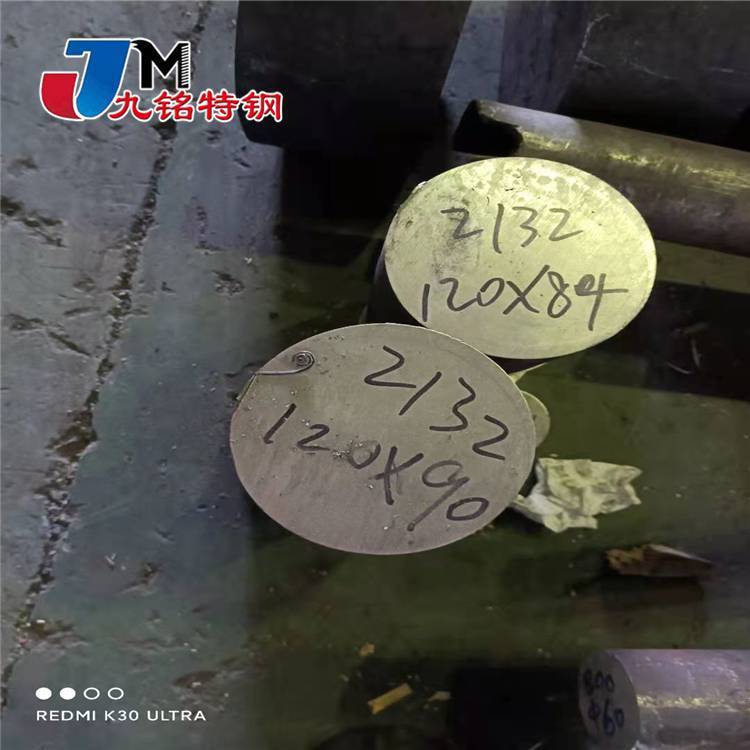
B2 Hastelloy alloy steel
Hastelloy B2 (N10665, 2.4617) Overview:
Hastelloy is a corrosion-resistant, solid-solution nickel-molybdenum alloy. Characteristics:
1. Maintain low levels of iron and chromium to prevent the formation of β-phase Ni4Mo.
(2) Corrosion resistance in the restored environment.
(3) Excellent resistance to medium concentrations and many non-oxidizing corrosives.
(4) Excellent resistance to chloride ion-induced stress corrosion cracking (SCC).
(5) Resistance to various organic corrosion
Section 2: Applications of Haste Alloy:
Applications in the fields of chemistry, petrochemicals, energy manufacturing, and pollution control, particularly in salt, vinegar, and acetic acid.
In various industrial applications. Please consult the material supplier for use in specific fields.
Section 3: Hastelloy Machining and Heat Treatment:
Keep the workpiece clean and... (No Chinese content provided, so the text remains as is)UnstainedThis is important.
Do not contact sulfur, phosphorus, lead, or other low-melting-point metals during the heating process; otherwise, it will damage the alloy's properties and make Hastelloy B-2 brittle.
Be mindful of stains such as marking paint, temperature indicating paint, colored crayons, chalk, lubricants, various liquids and oils, as well as fuels.
The lower the sulfur content in fuel, the better; the total sulfur content in natural gas and liquefied petroleum gas should be less than 0.1%, while the sulfur content in city gas is higher.
Sulfur content in fuel should be less than 0.5%, not exceeding 0.25g/m³.
The gas should be clean and slightly reducing, avoiding fluctuations between oxidizing and reducing properties in the gas. The heating flame must not directly burn towards the workpiece.
Heat as quickly as possible to the required temperature.
The hot processing temperature range is 1160℃ to 900℃, with water quenching as the cooling method.
ForPlease provide the Chinese content you would like translated into American English.Excellent corrosion resistance; should be annealed after hot processing.
During heat treatment, the workpiece should be directly added to the preheated heat treatment furnace.
Cold working must be performed in the solution heat-treated state.
Hardening rate greater than Austenitic stainless steel, so the processing equipment needs to be adjusted accordingly. Intermediate annealing should be performed during the cold working process.
If cold rolling deformation exceeds 15%, the workpiece must be solution treated before use.
The solution heat-treatment temperature range is 1060°C to 1080°C.
Materials thicker than 1.5mm are recommended to use water quenching or rapid air cooling cooling methods.Please provide the Chinese content to be translated into American English.Excellent corrosion resistance.
Throughout all heat treatment processes, it is essential to adhere to the aforementioned requirements for maintaining the cleanliness of the workpiece.
The surface oxide, oxidation color, and slag adhesion around the welds are stronger than that of stainless steel. It is recommended to use fine-grit sanding belts or wheels for polishing.
Pre-wash, abrade or gently sand the surface to dislodge oxides.
Wash with a mixture of HNO3/HF for an appropriate duration and temperature. Due to the alloy's sensitivity to oxidizing media, there may be weight loss of the alloy, accompanied by the generation of a significant amount of nitrogen-containing gases.
Machining should be done after annealing. Due to the high hardening rate of the material, it is advisable to use a lower cutting speed and heavy feed for processing than that for low-alloy austenitic stainless steel, in order to cut through the surface hardened by cold working.