631 Stainless Steel
Alias 0Cr17Ni7Al
Gloss Bright and transparent
Transparency Opaque
Hardness Solution treated, ≤229HB; Age hardened at 565°C, ≥363HB; Age hardened at 510°C, ≥388HB
Application Widely used in hardware kitchenware, shipbuilding, petrochemical, machinery, food, electricity, energy, etc.
Standard GB/T 1220-1992
Chinese Number 07Cr17Ni7Al
Hardness Half-austenitic 613
Chemical Formula 0Cr17Ni7Al
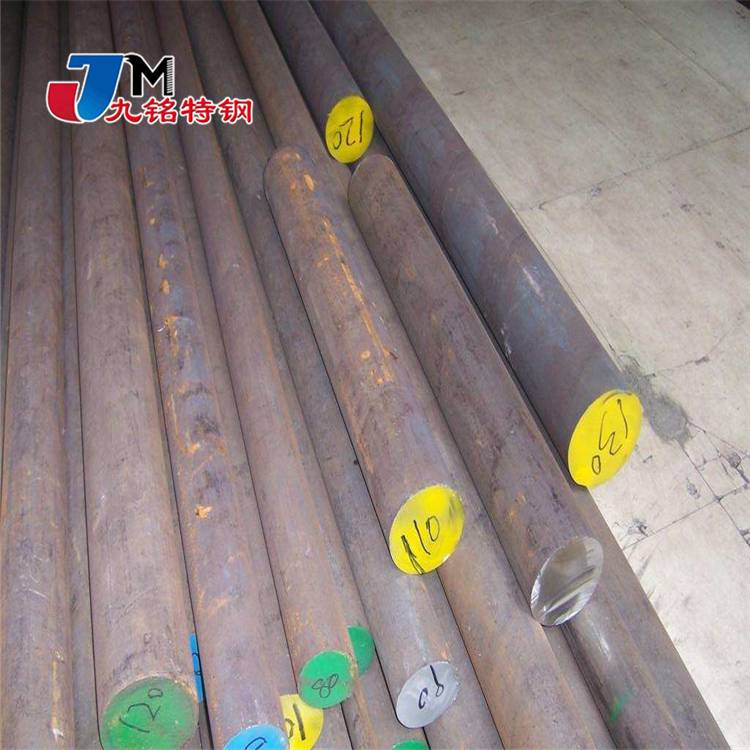
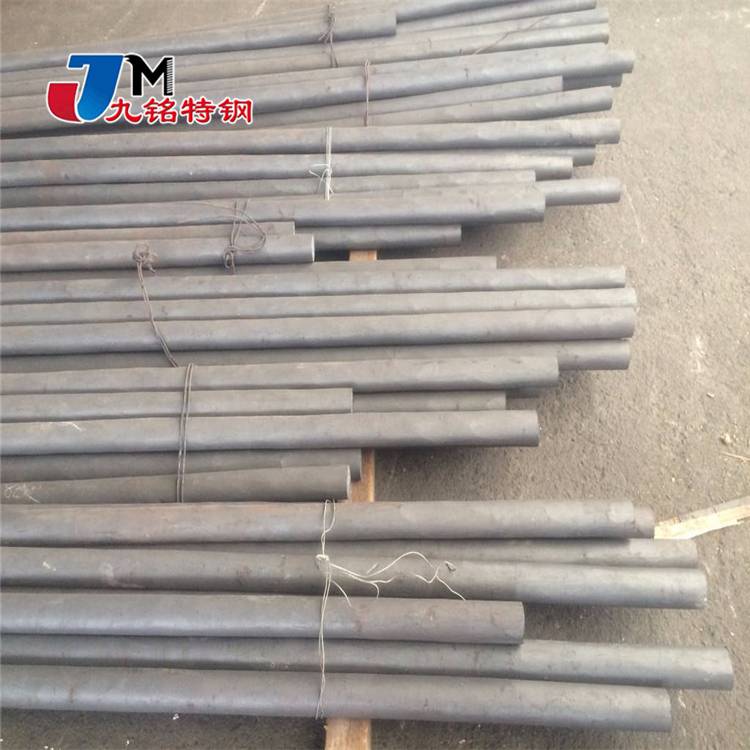
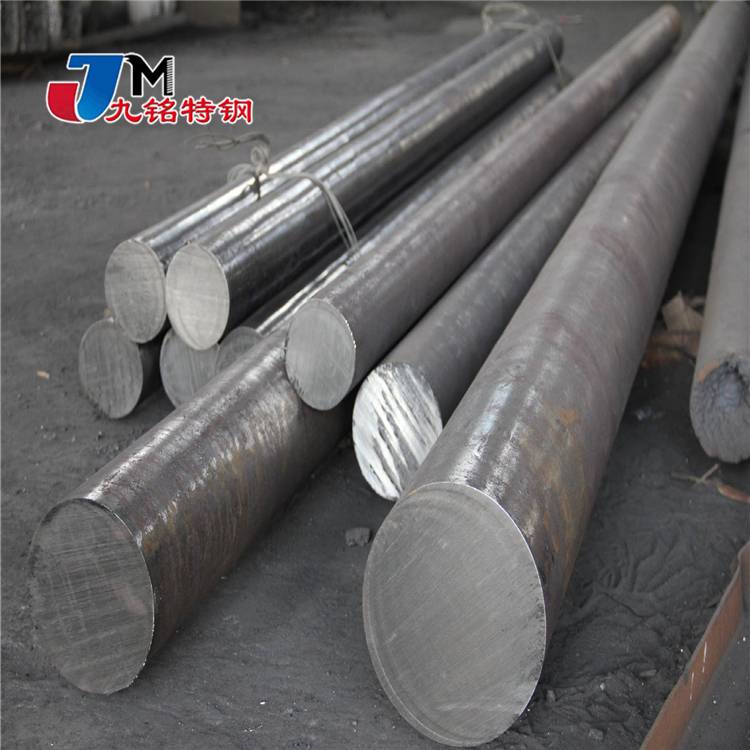
Specification Forgings, bars, plates, strips, etc.
Origin Japan Metallurgy/SMC/VDM/ATI
Basic Information
Standard: GB/T 1220-2007
631, equivalent to China's 0Cr17Ni7Al, is a semi-austenitic precipitation-hardening stainless steel. It is an austenitic unstable stainless steel, which is in an austenitic structure at room temperature. After cold working, cold treatment, or heat treatment to about 750 degrees, it can be adjusted to transform the austenite into martensite. Further aging treatment allows for the precipitation of a second phase on the martensite matrix, thereby strengthening the steel. The role of aluminum is to form precipitation-hardening phases like (Ni3Al) with other elements. During the aging process, cooling must not be rapid, as it is difficult to achieve the desired strengthening effect otherwise.
Chemical Composition
Carbon (C): ≤0.09 Silicon (Si): ≤1.00
Manganese (Mn): ≤1.00
Sulfur (S): ≤0.030
Phosphorus (P): ≤0.035
Chromium (Cr): 16.00~18.00
Nickel (Ni): 6.50~7.75
Copper (Cu): ≤0.50
Aluminum: 0.75~1.50
Mechanical Properties
Tensile Strength σb (MPa): Solution treated, ≤1030; Age hardened at 565℃, ≥1140; Age hardened at 510℃, ≥1230
Condition yield strength σ0.2 (MPa): Solution treated, ≤380; Age hardened at 565°C, ≥960; Age hardened at 510°C, ≥1030
δ5 elongation (%): Solution treated, ≥20; Age hardened at 565°C, ≥5; Age hardened at 510°C, ≥4
Section shrinkage rate ψ (%): Aging at 565°C, ≥25; Aging at 510°C, ≥10
Hardness: Solid solution, ≤229HB; Aging at 565°C, ≥363HB; Aging at 510°C, ≥388HB
Heat Treatment Editing
Solution treated, quenched at 1000-1100°C.
2) 565°C aging treatment, after solution heat treatment, hold at 760±15°C for 90 minutes, cool to below 15°C within 1 hour, maintain for 30 minutes, then reheat to 565±10°C and hold for 90 minutes, air-cooled.
3) 510°C aging, after solution heat treatment, hold at 955±10°C for 10 minutes, air cool to room temperature, and cool to -73±6°C within 24 hours, maintain for 8 hours, then reheat to 510±10°C and hold for 60 minutes, air cool.